Within 8 hours on working days, 24 hours on holidays
boat trailer winch
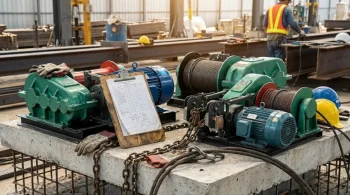
Boat trailer winches are essential tools for safely and efficiently loading and unloading boats onto trailers. Our selection includes a variety of powerful and reliable winches to suit different needs:
Warn Winch Windlass Boat Trailer Winch: Heavy-duty lifting, towing, and material handling with durable and versatile solutions.
12000 lb Electric Boat Trailer Winch with Windlass Anchor Warn: Robust and versatile lifting and pulling solutions ideal for marine and construction operations.
Quick Windlass Portable Winch for Truck and Boat: Versatile winch with 80kN pulling force and safety features for efficient heavy lifting.
Electric 120V Boat Winch by Badlands: Compact and efficient winch for heavy lifting and marine tasks.
Heavy Duty Electric Boat Winch Windlass Anchor: Features 200kN pulling force and adjustable speed for marine and industrial applications.
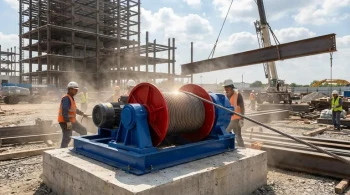
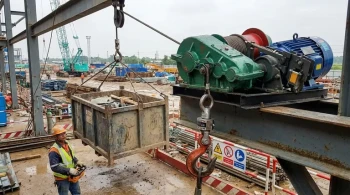
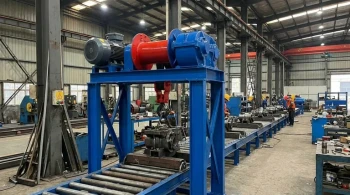
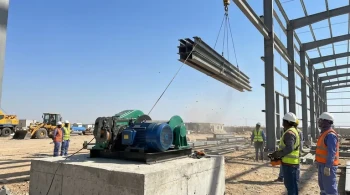
12000 lb Heavy Duty Electric Boat Winch: Durable steel construction with 60kN pulling force for construction, mining, and ship docks.
Boat trailer winches are indispensable tools for anyone involved in marine activities, whether you're a professional or a recreational boater. Our winches are designed to make the process of loading and unloading your boat onto a trailer effortless, safe, and efficient. Here’s why our boat trailer winches stand out:
Features and Principles
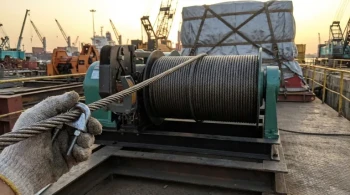
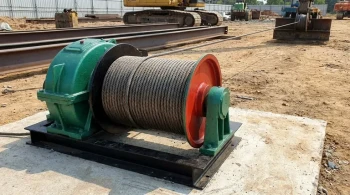
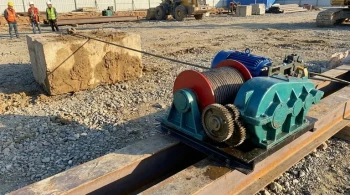
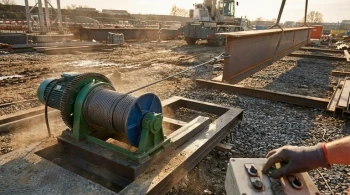
Our boat trailer winches operate on a simple yet highly effective principle, similar to a fishing reel. A strong rope or cable is wrapped around a spool or drum. When activated by a handle or button, the winch's motor (or manual power) spins the spool, winding the rope and pulling the boat towards the trailer. This mechanism ensures smooth and controlled movement, reducing the physical effort required and minimizing the risk of accidents.
Key features of our boat trailer winches include:
High Pulling Force: Models like our 12000 lb Heavy Duty Electric Boat Winch and Heavy Duty Electric Boat Winch Windlass Anchor offer pulling forces ranging from 60kN to 200kN, ensuring they can handle even the heaviest boats with ease.
Durable Construction: Built with robust materials such as high-grade steel, our winches are designed to withstand harsh marine environments, including saltwater exposure and extreme weather conditions.
Safety Features: Many of our winches come equipped with safety mechanisms like automatic braking systems and overload protection to prevent accidents and equipment damage.
Versatility: Whether you need a winch for a small fishing boat or a large yacht, we have options like the Quick Windlass Portable Winch for Truck and Boat that cater to various applications.
Advantages
Using our boat trailer winches offers numerous benefits:
Effortless Operation: Winches eliminate the need for manual pulling, making it possible for a single person to load or unload a boat safely and efficiently.
Reduced Wear and Tear: By providing controlled and smooth pulling, winches reduce strain on your boat’s hull and trailer, prolonging their lifespan.
Enhanced Safety: Precise control over the loading process minimizes the risk of slips, falls, or boat damage, especially in challenging conditions like wet or uneven surfaces.
Time-Saving: Electric winches, such as our Electric 120V Boat Winch by Badlands, allow for quick and hassle-free operation, saving you valuable time.
Customizable Solutions: We understand that every boater has unique needs. That’s why we offer customizable winch solutions to match your specific requirements, whether it’s for commercial use or personal recreation.
Applications
Our boat trailer winches are suitable for a wide range of applications, including:
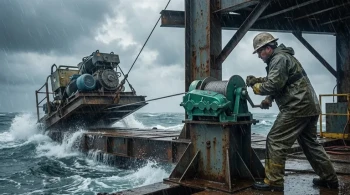
Marine Industry: Ideal for boatyards, marinas, and marine construction projects.
Recreational Boating: Perfect for anglers, sailors, and water sports enthusiasts who need reliable equipment for their boats.
Emergency and Rescue Operations: Used by coast guards and rescue teams for quick and efficient boat retrieval.
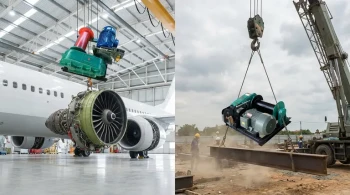
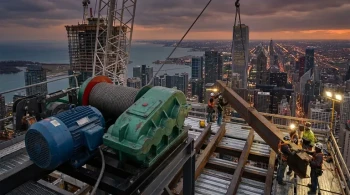
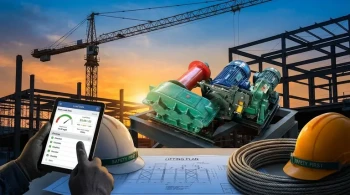
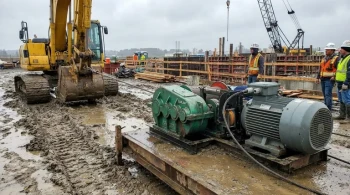
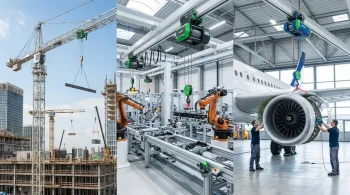
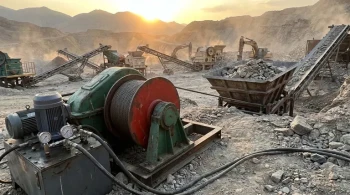
Industrial and Construction: Suitable for heavy-duty lifting and towing in construction, mining, and forestry sectors.
Professional and Customizable Services
At our core, we prioritize professionalism and customer satisfaction. Our team of experts is always ready to assist you in selecting the right winch for your needs. Whether you require a standard model or a customized solution, we’ve got you covered. We also offer comprehensive after-sales support, including maintenance tips and spare parts availability, to ensure your winch remains in top condition.
Get in Touch
Ready to find the perfect boat trailer winch for your needs? Contact us today to discuss your requirements or to request a quote. Our team is here to provide expert advice and help you make an informed decision. Let us help you make boat loading and unloading a breeze with our high-quality, reliable winches!
FAQ
What Is A Boat Trailer Winch Used For?
A boat trailer winch is used to load and unload a boat onto and off of a trailer, making the process easier and more efficient. It typically consists of a crank or motor that winds a cable or strap, which is attached to the boat to pull it onto the trailer.
What Are The Main Features Of A Boat Trailer Winch?
Boat trailer winches save physical effort during loading and unloading, provide better control over the process, and improve safety by allowing precise handling of heavy loads. They can be manual or electric, with options like adjustable speed and durable steel construction.
How Does A Boat Trailer Winch Work?
A boat trailer winch operates similarly to a fishing reel, with a strong rope wrapped around a spool or drum. When activated by a handle or button, the winch's motor (or manual power) spins the spool, winding the rope and pulling heavy objects towards the user.
What Are The Advantages Of Using A Boat Trailer Winch?
Using a boat trailer winch simplifies the loading process, especially for heavy or disabled boats. It reduces physical strain, allows for one-person operation, and enhances safety by providing better control over the boat during loading and unloading. It also minimizes wear on the boat and trailer.
What Types Of Boat Trailer Winches Are Available?
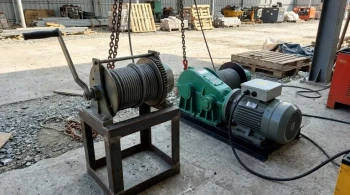
Boat trailer winches come in various types, including manual crank winches and electric winches. Electric winches offer features like high pulling force (e.g., 12000 lb), adjustable speed, and durable construction, making them ideal for heavy-duty applications.
What Industries Commonly Use Boat Trailer Winches?
Boat trailer winches are commonly used in marine, construction, mining, and industrial applications. They are essential for tasks involving heavy lifting, towing, and material handling in these industries.
What Should I Consider When Choosing A Boat Trailer Winch?
When choosing a boat trailer winch, consider factors like the weight of your boat, the type of winch (manual or electric), pulling force, durability, and safety features. Electric winches with high pulling force and adjustable speed are ideal for heavy-duty applications.
This website uses cookies to enhance your browsing experience,
analyze site traffic, and serve better user experiences. By continuing to use this site, you consent to our use of
cookies. Learn more in our cookie policy.