Thematics Boat Winch

boat winch

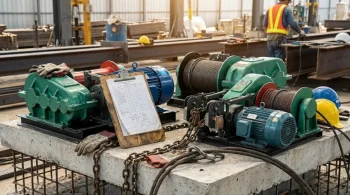
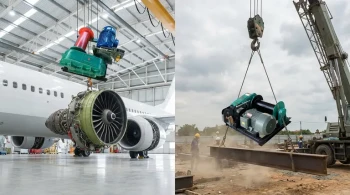
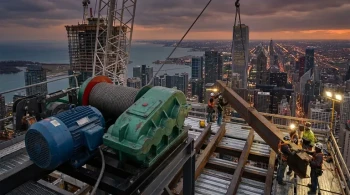
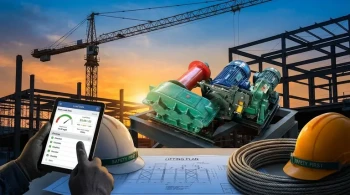
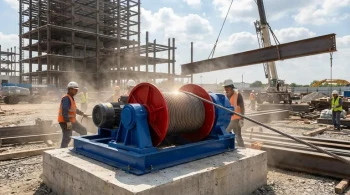
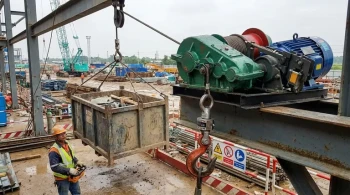
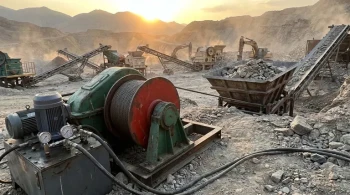
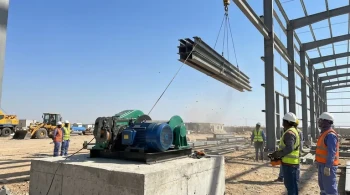
Boat winches are essential for various marine and industrial applications, including anchoring, towing, lifting heavy equipment, and mooring operations. Our product range includes:

  • Electric 120V Boat Winch by Badlands: Compact and efficient, ideal for heavy lifting and marine tasks.
  • 12000 lb Heavy Duty Electric Boat Winch: Robust construction with a 60kN pulling force, perfect for construction and ship docks.
  • Quick Windlass Portable Winch: Versatile with 80kN pulling force and safety features for efficient lifting.
  • Electric Hoist Winch Boat Anchor Windlass: High-capacity and durable, suitable for marine and industrial use.
  • Heavy Duty Electric Boat Winch Windlass Anchor: Features 200kN pulling force and adjustable speed for marine and mining applications.
  • Warn Winch Windlass Boat Trailer Winch: Durable and safe, ideal for heavy lifting and towing.
  • 12000 lb Electric Boat Trailer Winch with Windlass Anchor Warn: Robust and versatile for marine and emergency operations.
  • Portable Small Trailer Winch: Compact design with multi-voltage options, perfect for engineering projects.
  • Best 18000 Pound Drum Anchor Trailer Winch: High-capacity and durable, ideal for harbor operations.

Why Choose Our Boat Winches?

Our boat winches are engineered for reliability, durability, and high performance in demanding environments. Whether you need a winch for marine, construction, or industrial applications, our products offer unmatched quality and functionality.

Key Features

  • Simple Structure: Designed for easy operation and minimal maintenance.
  • Flexible Use: Suitable for a wide range of applications, from anchoring to heavy lifting.
  • High Capacity: Models available with pulling forces up to 200kN for the most demanding tasks.
  • Durable Construction: Built with robust materials to withstand harsh conditions.
  • Safety Features: Equipped with advanced safety mechanisms to ensure secure operations.

Working Principle

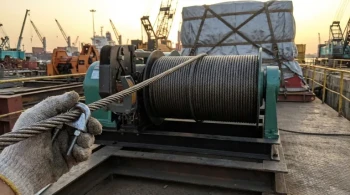
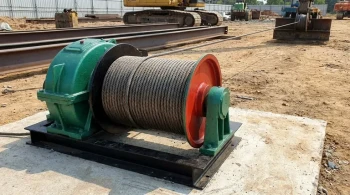
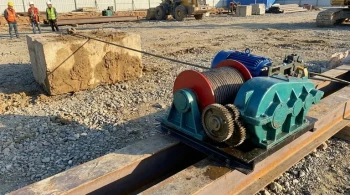
The winch operates by rotating a drum to control the wire rope, enabling precise lifting and lowering of heavy objects. This mechanism ensures smooth and efficient performance, even under heavy loads.

Advantages

  • Easy Operation: Simple controls make our winches user-friendly.
  • Large Rope Capacity: Accommodates extensive lengths of wire rope for versatile use.
  • Portability: Lightweight and compact designs for easy relocation.
  • Versatility: Suitable for marine, industrial, and recreational applications.
  • Efficiency: Electric models offer fast operation with minimal effort.

Customizable Solutions

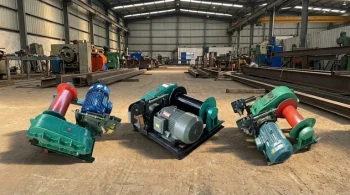
We understand that every project has unique requirements. That’s why we offer customizable winch solutions tailored to your specific needs. From voltage options to mounting configurations, we can adapt our products to fit your application perfectly.

Get in Touch

Ready to find the perfect boat winch for your needs? Contact us today to discuss your requirements or request a quote. Our team of experts is here to help you choose the best solution for your project. Let’s make your heavy lifting and towing tasks safer and more efficient with our premium winches.

FAQ

What Are The Main Applications Of A Boat Winch?

Boat winches are commonly used in marine applications such as anchoring (deploying and retrieving anchors), towing operations (pulling or towing vessels), lifting and lowering heavy equipment or cargo, and mooring operations (securing vessels to docks or other structures). They are also used in industrial settings like manufacturing and construction, as well as recreational activities such as off-roading and boating.

What Are The Key Features Of A Boat Winch?

Boat winches are characterized by their simple structure, flexible use, and low likelihood of malfunction. They are designed to be durable and reliable for various heavy-duty tasks.

How Does A Boat Winch Work?

The working principle of a boat winch involves the rotation of the drum to control the wire rope, which manages the lifting and lowering of heavy objects. This mechanism allows for efficient and controlled handling of loads.

What Are The Advantages Of Using An Electric Boat Winch?

Electric boat winches offer ease of use and versatility. They can be controlled with the push of a button, making lifting or pulling heavy loads safer and more efficient. They are also easily mounted on various surfaces, such as vehicles, trailers, or stationary platforms. Additionally, they provide simple operation, large rope capacity, and easy relocation.

What Types Of Boat Winches Are Available?

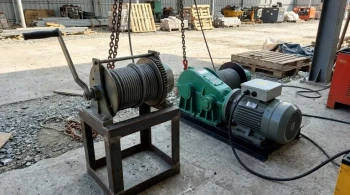
Boat winches come in various types, including electric winches, hydraulic winches, and portable winches. Electric winches are popular for their ease of use and efficiency, while hydraulic winches are known for their power and durability. Portable winches offer flexibility and are ideal for smaller tasks or temporary setups.

What Should I Consider When Choosing A Boat Winch?

When choosing a boat winch, consider factors such as the load capacity (e.g., 12000 lb or 18000 lb), the type of winch (electric or hydraulic), the intended application (marine, industrial, or recreational), and the ease of installation and operation. Additionally, look for features like durability, safety mechanisms, and compatibility with your existing equipment.

REQUEST A QUOTE

Our professional team will reply to you within one business day. Please feel free to contact us!


Related Articles

Beyond Brute Force: The Winch as a Tool for Precision and Safety

Beyond Brute Force: The Winch as a Tool for Precision and Safety

A winch isn't just for pulling; it's a critical tool for applying controlled force, turning chaotic situations into manageable, safe operations.

Read more
How Ergonomic Engineering Transforms Electric Winch Usability for Modern Operators

How Ergonomic Engineering Transforms Electric Winch Usability for Modern Operators

Discover how ergonomic engineering enhances electric winch usability, reducing operator fatigue and boosting safety across industries.

Read more
Gravity's Shadow: The Mechanical Brake That Separates a Winch from a Hoist

Gravity's Shadow: The Mechanical Brake That Separates a Winch from a Hoist

A winch pulls against friction, but a hoist defies gravity. Discover the critical mechanical brake that prevents catastrophic failure in vertical lifting.

Read more
How to Choose the Right Winch Drum Size Without Sacrificing Power

How to Choose the Right Winch Drum Size Without Sacrificing Power

Learn how to choose the right winch drum size for marine, construction, or mining without sacrificing power, efficiency, or cable longevity.

Read more
The Electric Heartbeat: A Systematic Approach to Diagnosing Motor Winding Failures

The Electric Heartbeat: A Systematic Approach to Diagnosing Motor Winding Failures

Learn the two critical electrical tests—insulation resistance and phase balance—to definitively diagnose motor winding health and prevent costly downtime.

Read more
Beyond the Pound Rating: The Electrical Psychology of a Successful Recovery

Beyond the Pound Rating: The Electrical Psychology of a Successful Recovery

A winch's amp draw isn't a fixed rating but a dynamic range. Understanding this is crucial for sizing your electrical system for peak demand.

Read more
The Geometry of Force: Why Confusing a Winch and a Hoist Is a Critical Mistake

The Geometry of Force: Why Confusing a Winch and a Hoist Is a Critical Mistake

Learn the fundamental engineering difference between horizontal pulling (winches) and vertical lifting (hoists) to prevent catastrophic failures.

Read more
The Physics of the Pull: Why Rope Management Defines Your Winch

The Physics of the Pull: Why Rope Management Defines Your Winch

Drum winches store rope for simple tasks; capstan winches pull infinitely. This core trade-off between containment and flexibility defines the right tool.

Read more
How Electric Winches Outperform Hydraulic Systems in Cost and Efficiency

How Electric Winches Outperform Hydraulic Systems in Cost and Efficiency

Discover why electric winches outperform hydraulic systems in cost, efficiency, and maintenance, with real-world case studies and savings data.

Read more
Gravity's Gatekeeper: The Mechanical Brake That Separates a Winch from a Hoist

Gravity's Gatekeeper: The Mechanical Brake That Separates a Winch from a Hoist

The key difference between a winch and a hoist isn't direction, but a critical braking system. One pulls, the other safely defies gravity.

Read more
How to Maximize Electrical Winch Performance in Challenging Environments

How to Maximize Electrical Winch Performance in Challenging Environments

Learn how to maximize electrical winch performance in tough environments, from waterproofing tips to duty cycle management.

Read more
How Electric Winches Outperform Hydraulic Systems in Heavy-Duty Applications

How Electric Winches Outperform Hydraulic Systems in Heavy-Duty Applications

Electric winches outperform hydraulic systems with 60% fewer parts, lower maintenance costs, and no fluid-related failures. Ideal for heavy-duty industries.

Read more
Lifting vs. Pulling: The Critical Braking Difference Your Job Site Depends On

Lifting vs. Pulling: The Critical Braking Difference Your Job Site Depends On

A winch pulls, a hoist lifts. The difference lies in their braking systems—a distinction crucial for job site safety and operational integrity.

Read more
The Power Triangle: Why Your Alternator, Not Just Your Battery, Runs Your Winch

The Power Triangle: Why Your Alternator, Not Just Your Battery, Runs Your Winch

A winch draws massive power. Learn why your vehicle's alternator, not just the battery, is the key to safe, sustainable winching operations.

Read more
The Unseen System: How an Electric Winch Manages Force and Eliminates Fear

The Unseen System: How an Electric Winch Manages Force and Eliminates Fear

An electric winch is more than a motor; it's a system of torque multiplication and safety features designed to master the physics of heavy loads.

Read more
How Electric Winch Safety Features Prevent Catastrophic Industrial Accidents

How Electric Winch Safety Features Prevent Catastrophic Industrial Accidents

Learn how electric winch safety features like load limiters and emergency brakes prevent industrial accidents in mining and construction.

Read more
Beyond the Rule of Thumb: The Unseen Forces in Winch Selection

Beyond the Rule of Thumb: The Unseen Forces in Winch Selection

The 1.5x GVW rule for winch sizing is just a starting point. Real-world friction, inclines, and winch mechanics require a systems-based approach.

Read more
Beyond Brute Force: The Engineering and Psychology of a Reliable Winch

Beyond Brute Force: The Engineering and Psychology of a Reliable Winch

Explore the engineering behind electric winch reliability, from controlled power delivery to robust mechanics, and why trust is a function of design.

Read more
How to Choose Synthetic Fiber Winch Cables for Optimal Performance

How to Choose Synthetic Fiber Winch Cables for Optimal Performance

Learn how to choose synthetic fiber winch cables for durability, corrosion resistance, and cost efficiency in harsh environments.

Read more
Force vs. Mass: The Critical Difference in Sizing a Boat Winch

Force vs. Mass: The Critical Difference in Sizing a Boat Winch

Sizing a boat winch isn't one problem, but two. Learn the physics-based difference between a trailer winch (rolling force) and an anchor winch (dead weight).

Read more