When handling multi-ton loads in offshore rigging or high-rise construction, every millimeter matters. Slow-speed winches with precision engineering don’t just move heavy loads—they prevent catastrophic failures, reduce downtime, and ultimately justify their higher upfront costs through operational savings. Here’s how industries leverage their controlled torque and speed for safety and efficiency.
The Mechanics of Winch Speed Control
How Gear Ratios and Motor Types Govern Precision
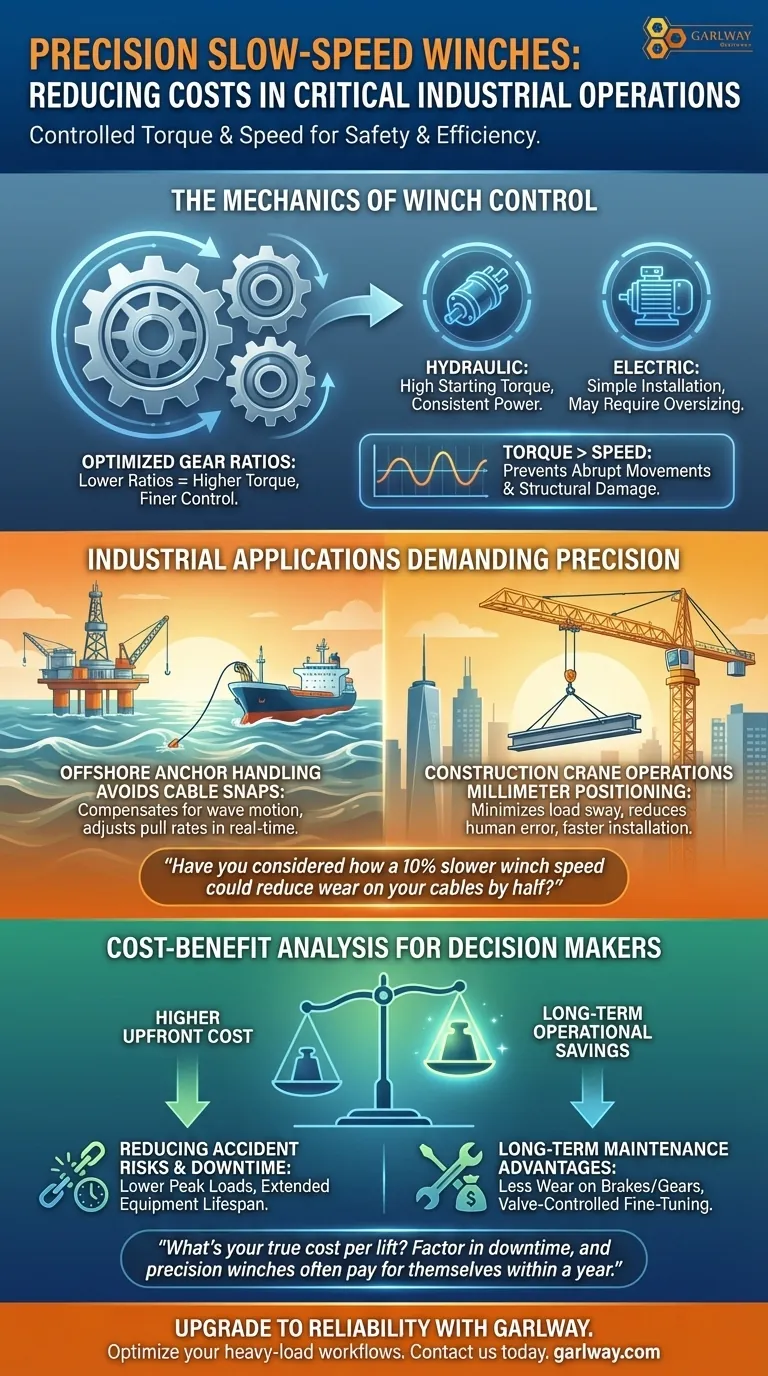
Precision winches prioritize torque over speed through optimized gear reductions. Hydraulic motors, for instance, deliver large starting torque—critical for gradual, controlled movement—while electric motors offer simpler installation but may struggle with sustained heavy loads.
Key design considerations:
- Gear systems: Lower gear ratios trade speed for finer control.
- Motor selection: Hydraulic variants maintain consistent power under load, whereas electric models may require oversizing for equivalent performance.
Torque vs. Speed Tradeoffs in Load Management
Slow-speed winches excel where abrupt movements risk structural damage. For example:
- Offshore anchor handling: Sudden tension shifts can snap cables. Precision winches distribute force evenly.
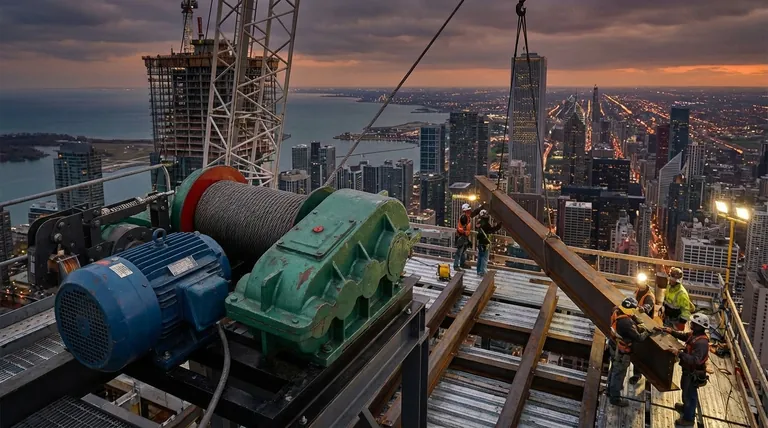
- Construction lifts: Overhead loads demand millimeter-level positioning to align steel beams.
"Have you considered how a 10% slower winch speed could reduce wear on your cables by half?"
Industrial Applications Demanding Precision
Offshore Anchor Handling: Avoiding Catastrophic Cable Snaps
In dynamic ocean environments, winches must compensate for wave motions. Hydraulic systems’ efficient torque delivery prevents snap loads—a leading cause of cable failures—by adjusting pull rates in real time.
Construction Crane Operations: Millimeter-Level Positioning
High-rise projects using GARLWAY winches report fewer alignment corrections, as precision control minimizes load sway. Automated lifting sequences further reduce human error, cutting installation time by up to 20%.
Cost-Benefit Analysis for Decision Makers
Reducing Accident Risks and Downtime Costs
A single snapped crane cable can halt operations for days. Precision winches mitigate this by:
- Lowering peak loads on cables and rigging.
- Extending equipment lifespan through reduced shock loads.
Long-Term Maintenance Advantages of Controlled Loads
Slow, steady operation decreases wear on brakes and gears. Hydraulic systems’ valve-controlled distributors allow fine-tuning without mechanical overhauls, slashing maintenance frequency.
"What’s your true cost per lift? Factor in downtime, and precision winches often pay for themselves within a year."
Upgrade to Reliability: GARLWAY’s precision winches help contractors and construction firms reduce operational risks while meeting tight project timelines. Explore how our engineering expertise can optimize your heavy-load workflows—contact us today for a consultation.
Visual Guide
Related Products
- Quick Windlass Portable Winch for Truck and Boat Best Boat Winch
- Portable Small Trailer Winch
- Small Electric Winch 120V and 240V for Compact Applications
- Warn Winch Windlass Boat Trailer Winch
- Electric and Hydraulic Winch for Heavy Duty Applications
Related Articles
- How the JK Quick Winch’s Portability Transforms Work in Tight Spaces
- How JK Quick Winches Solve 3 Critical Industrial Automation Challenges
- How to Choose a Quick Winch with the Right Traction Force for Your Job
- More Than a Number: The Engineering Psychology of Choosing a Boat Winch
- Force vs. Mass: The Critical Difference in Sizing a Boat Winch