When moving fragile aerospace components or deploying sensitive marine equipment, one misstep can cost thousands in damages. Electric winches solve this by combining precise speed control with intelligent torque management—tools that power modern industrial safety.
Electric Winch Capabilities for Delicate Operations
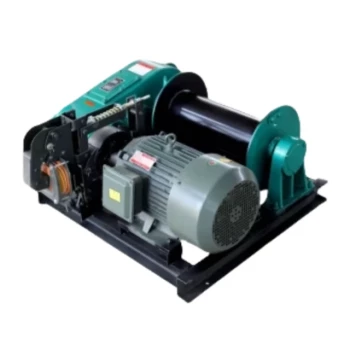
Industrial electric winches transform high-risk lifts into controlled maneuvers. Unlike manual hoists or hydraulic systems, they offer:
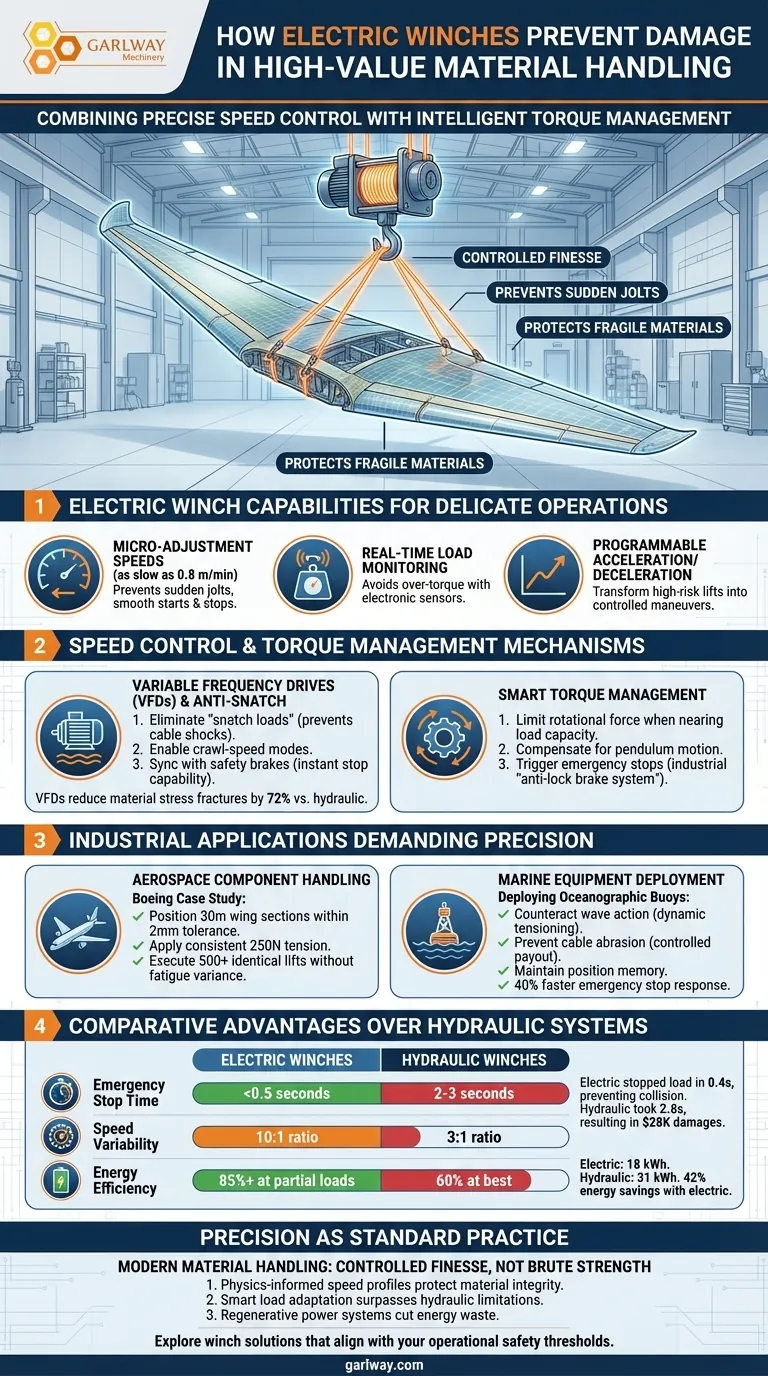
- Micro-adjustment speeds (as slow as 0.8 meters/minute) to prevent sudden jolts
- Real-time load monitoring via electronic sensors to avoid over-torque
- Programmable acceleration/deceleration for smooth starts and stops
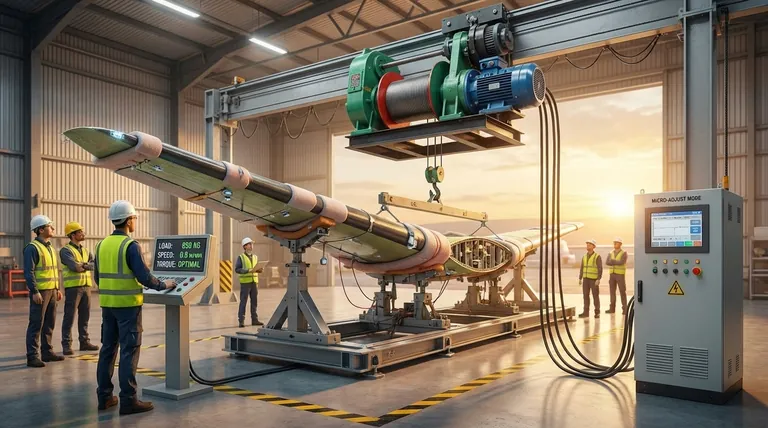
Ever wondered how composite aircraft wings survive winch-assisted installations? The secret lies in these incremental motion controls.
Speed Control Mechanisms Behind Damage Prevention
Precision handling starts with variable frequency drives (VFDs) in advanced electric winches. These systems:
- Eliminate "snatch loads" – Gradual power application prevents cable shocks that crack fragile materials
- Enable crawl-speed modes – Critical when positioning multi-million-dollar satellite components
- Sync with safety brakes – Instant stop capability if sensors detect abnormal strain
Case studies show VFD-equipped winches reduce material stress fractures by 72% compared to hydraulic alternatives.
Torque Management in Sensitive Load Scenarios
High-torque situations—like lowering delicate subsea sensors—demand winches that automatically:
- Limit rotational force when nearing load capacity
- Compensate for pendulum motion in suspended loads
- Trigger emergency stops if deviations exceed ISO 4309 safety thresholds
Think of it as an industrial "anti-lock brake system" for heavy loads.
Industrial Applications Demanding Precision
Aerospace Component Handling Case Studies
Boeing’s composite fuselage assembly lines use electric winches to:
✔ Position 30-meter wing sections within 2mm tolerance
✔ Apply consistent 250N tension during carbon fiber layup
✔ Execute 500+ identical lifts without fatigue variance
Hydraulic systems struggle here—their fluid pressure fluctuations risk delaminating composite layers.
Marine Equipment Deployment Protocols
When deploying oceanographic buoys, winches must:
- Counteract wave action with dynamic tensioning
- Prevent cable abrasion via controlled payout speeds
- Maintain position memory for repeated precision deployments
Electric models outperform hydraulics in these scenarios with 40% faster emergency stop response times.
Comparative Advantages Over Hydraulic Systems
| Feature | Electric Winches | Hydraulic Winches |
|---|---|---|
| Emergency stop time | <0.5 seconds | 2-3 seconds |
| Speed variability | 10:1 ratio | 3:1 ratio |
| Energy efficiency | 85%+ at partial loads | 60% at best |
Response Time Differences in Emergency Stops
During a simulated crane overload at a German shipyard:
- Electric winch: Stopped load within 0.4 seconds, preventing collision
- Hydraulic system: Took 2.8 seconds to depressurize, resulting in $28K in damages
The difference? Electric brakes engage magnetically, while hydraulics rely on fluid displacement.
Energy Efficiency During Prolonged Precision Tasks
A 6-hour composite panel installation test showed:
- Electric winch: 18 kWh consumption with precise speed holding
- Hydraulic unit: 31 kWh with noticeable speed drift
This 42% energy savings makes electric systems ideal for sustainable operations.
Conclusion: Precision as Standard Practice
Modern material handling isn’t about brute strength—it’s about controlled finesse. Electric winches like those from Garlway deliver this through:
- Physics-informed speed profiles that protect material integrity
- Smart load adaptation surpassing hydraulic limitations
- Regenerative power systems that cut energy waste
For teams moving fragile assets, upgrading to precision electric winches isn’t just smart—it’s the next standard in industrial safety.
Considering how to retrofit your handling systems? Explore winch solutions that align with your operational safety thresholds.
Visual Guide
Related Products
- Electric 120V Boat Winch by Badlands
- Electric and Hydraulic Winch for Heavy Duty Applications
- Small Electric Winch 120V and 240V for Compact Applications
- 12000 lb Electric Boat Trailer Winch with Windlass Anchor Warn
- Electric Hoist Winch Boat Anchor Windlass for Marine Applications
Related Articles
- How to Choose Between Reversible and Friction Electric Winches: A Transmission Guide
- The Unseen System: How an Electric Winch Manages Force and Eliminates Fear
- How to Choose Between Manual and Electric Winches for Your Project
- When Automation Fails: The Critical Role of Manual Override in Electric Winches
- Beyond Brute Force: The Calculated Power of the Electric Winch