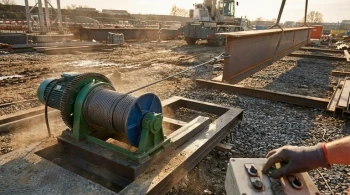
Thematics Harbor Freight Winch

harbor freight winch

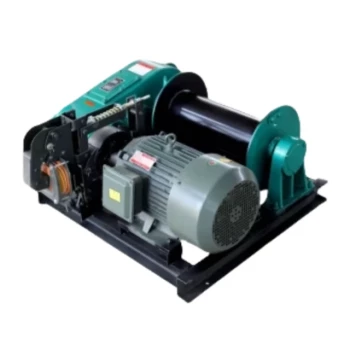
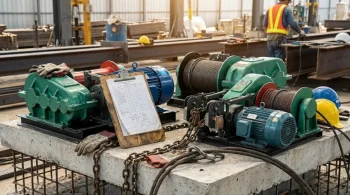
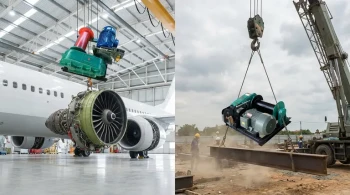
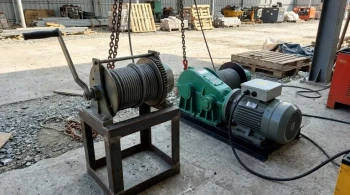
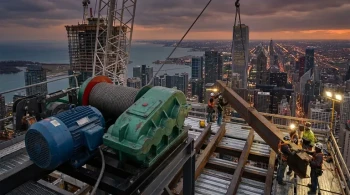
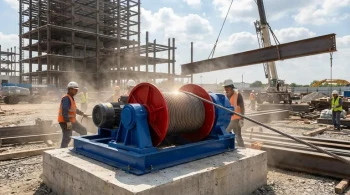
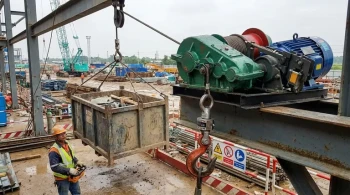
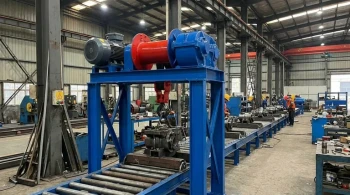
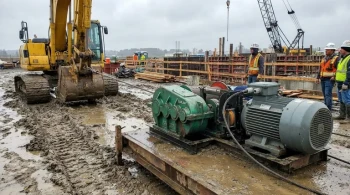
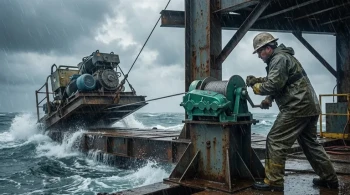
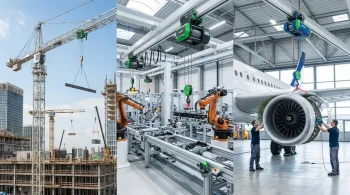
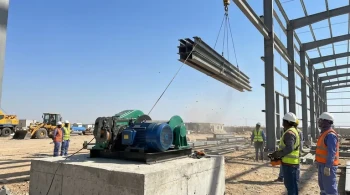
Harbor freight winches are essential tools in various industries, including marine, construction, mining, and forestry. These winches are designed for lifting, pulling, and transporting heavy loads with ease. Our product category includes:

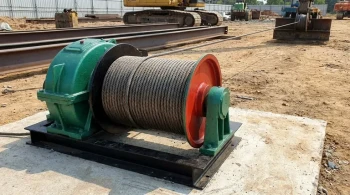
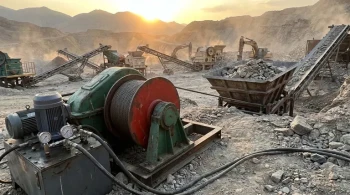
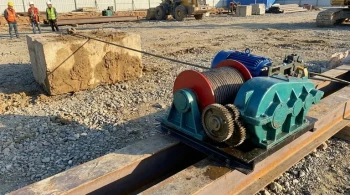
  • Hydraulic Winding Engine Harbor Freight Winch: Ideal for industrial, mining, and construction needs, this winch enhances efficiency with its durable and reliable performance.

Whether you need a winch for material lifting or horizontal pulling, our selection offers robust solutions tailored to your requirements.


Comprehensive Guide to Harbor Freight Winches

Harbor freight winches are indispensable in industries that require heavy lifting and pulling. These winches are engineered to handle demanding tasks with precision and reliability. Below, we delve into the characteristics, working principles, and advantages of our harbor freight winches.

Characteristics of Harbor Freight Winches

  1. Durability: Built with high-quality materials, our winches are designed to withstand harsh environments and heavy usage.
  2. Versatility: Suitable for a wide range of applications, including marine, construction, mining, and forestry.
  3. Ease of Use: Features such as hydraulic winding engines ensure smooth operation and minimal maintenance.
  4. Portability: Lightweight and compact designs make these winches easy to transport and store.

Working Principle

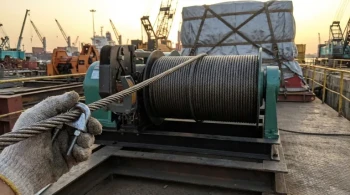
The working principle of a harbor freight winch involves the rotation of a drum to control the wire rope, which in turn manages the lifting and lowering of heavy objects. This mechanism ensures precise control over load movements, making it ideal for various industrial applications.

Advantages of Harbor Freight Winches

  1. Cost-Effectiveness: Portable winches can be moved between trailers, reducing the need for multiple units.
  2. Reliability: Engineered for consistent performance, these winches are trusted in critical operations.
  3. Customization: We offer customizable solutions to meet specific industry needs, ensuring optimal performance for your unique requirements.

Why Choose Our Harbor Freight Winches?

Our winches are designed with the end-user in mind, combining durability, efficiency, and ease of use. Whether you're in construction, marine, or mining, our winches provide the strength and reliability you need to get the job done.

Get in Touch

Interested in learning more about our harbor freight winches? Contact us today to discuss your needs and discover how our winches can enhance your operations. Our team of experts is ready to provide personalized recommendations and support.

Final Thoughts

Harbor freight winches are a vital component in many industries, offering robust solutions for heavy lifting and pulling. With their durability, versatility, and ease of use, these winches are an excellent investment for any business. Explore our range today and find the perfect winch for your needs.

Leave us a message to learn more about our products and services. We look forward to assisting you!

FAQ

What Are The Applications Of Harbor Freight Winches?

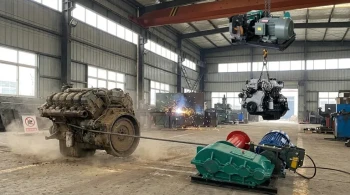
Harbor freight winches are utilized in various industries such as marine craft, waste and refuse, and construction. They are also widely used in construction, water conservancy projects, forestry, mining, and docks for material lifting or horizontal pulling. These winches can be used independently or as components in machinery for lifting, road construction, and mine hoisting.

What Is The Working Principle Of A Harbor Freight Winch?

The working principle of a harbor freight winch involves the rotation of the drum to control the wire rope, thereby managing the lifting and lowering of heavy objects.

What Are The Advantages Of Portable Harbor Freight Winches?

Portable harbor freight winches offer versatility and convenience. They can be moved between trailers, making them cost-effective for those with multiple hauling needs. Their lightweight and compact design ensures easy handling and storage.

REQUEST A QUOTE

Our professional team will reply to you within one business day. Please feel free to contact us!


Related Articles

Gravity's Shadow: The Mechanical Brake That Separates a Winch from a Hoist

Gravity's Shadow: The Mechanical Brake That Separates a Winch from a Hoist

A winch pulls against friction, but a hoist defies gravity. Discover the critical mechanical brake that prevents catastrophic failure in vertical lifting.

Read more
The Electric Heartbeat: A Systematic Approach to Diagnosing Motor Winding Failures

The Electric Heartbeat: A Systematic Approach to Diagnosing Motor Winding Failures

Learn the two critical electrical tests—insulation resistance and phase balance—to definitively diagnose motor winding health and prevent costly downtime.

Read more
Beyond the Pound Rating: The Electrical Psychology of a Successful Recovery

Beyond the Pound Rating: The Electrical Psychology of a Successful Recovery

A winch's amp draw isn't a fixed rating but a dynamic range. Understanding this is crucial for sizing your electrical system for peak demand.

Read more
The Physics of the Pull: Why Rope Management Defines Your Winch

The Physics of the Pull: Why Rope Management Defines Your Winch

Drum winches store rope for simple tasks; capstan winches pull infinitely. This core trade-off between containment and flexibility defines the right tool.

Read more
The Cascade Effect: How a Single Air Compressor Fault Cripples an Entire Concrete Plant

The Cascade Effect: How a Single Air Compressor Fault Cripples an Entire Concrete Plant

Uncover the four common air compressor faults—from filters to valves—that cause catastrophic downtime in concrete plants and how to prevent them.

Read more
Gravity's Gatekeeper: The Mechanical Brake That Separates a Winch from a Hoist

Gravity's Gatekeeper: The Mechanical Brake That Separates a Winch from a Hoist

The key difference between a winch and a hoist isn't direction, but a critical braking system. One pulls, the other safely defies gravity.

Read more
Lifting vs. Pulling: The Critical Braking Difference Your Job Site Depends On

Lifting vs. Pulling: The Critical Braking Difference Your Job Site Depends On

A winch pulls, a hoist lifts. The difference lies in their braking systems—a distinction crucial for job site safety and operational integrity.

Read more
The Power Triangle: Why Your Alternator, Not Just Your Battery, Runs Your Winch

The Power Triangle: Why Your Alternator, Not Just Your Battery, Runs Your Winch

A winch draws massive power. Learn why your vehicle's alternator, not just the battery, is the key to safe, sustainable winching operations.

Read more
The Unseen System: How an Electric Winch Manages Force and Eliminates Fear

The Unseen System: How an Electric Winch Manages Force and Eliminates Fear

An electric winch is more than a motor; it's a system of torque multiplication and safety features designed to master the physics of heavy loads.

Read more
Beyond the Rule of Thumb: The Unseen Forces in Winch Selection

Beyond the Rule of Thumb: The Unseen Forces in Winch Selection

The 1.5x GVW rule for winch sizing is just a starting point. Real-world friction, inclines, and winch mechanics require a systems-based approach.

Read more
Beyond Brute Force: The Engineering and Psychology of a Reliable Winch

Beyond Brute Force: The Engineering and Psychology of a Reliable Winch

Explore the engineering behind electric winch reliability, from controlled power delivery to robust mechanics, and why trust is a function of design.

Read more
Force vs. Mass: The Critical Difference in Sizing a Boat Winch

Force vs. Mass: The Critical Difference in Sizing a Boat Winch

Sizing a boat winch isn't one problem, but two. Learn the physics-based difference between a trailer winch (rolling force) and an anchor winch (dead weight).

Read more
Beyond the Bolts: The Physics and Psychology of a Secure Winch Installation

Beyond the Bolts: The Physics and Psychology of a Secure Winch Installation

A proper winch installation is a test of systems, not just skill. This guide explores the physics and overlooked details crucial for safety and performance.

Read more
The Unseen Force: Why Your Winch's Amperage is the System's Weakest Link

The Unseen Force: Why Your Winch's Amperage is the System's Weakest Link

A winch's current draw isn't a single number; it scales with the load. Underestimating this can lead to system failure or fire.

Read more
The Physics of Failure: Deconstructing the Hoist Inspection Checklist

The Physics of Failure: Deconstructing the Hoist Inspection Checklist

A hoist inspection is more than a checklist; it's a critical analysis of stress points and failure physics to prevent accidents on site.

Read more
Beyond the Pound Rating: The Critical Question to Ask Before Buying Any Winch

Beyond the Pound Rating: The Critical Question to Ask Before Buying Any Winch

Choosing a winch isn't about max capacity. It's about defining its job—trailer or anchor—a principle that scales from boats to industrial sites.

Read more
Beyond the Bumper: The Critical System Choice in Powering Your Trailer Winch

Beyond the Bumper: The Critical System Choice in Powering Your Trailer Winch

Powering a winch from your vehicle vs. a dedicated battery is a choice between short-term simplicity and long-term operational resilience.

Read more
Lines of Force: The Unseen Geometry of a Boat Winch

Lines of Force: The Unseen Geometry of a Boat Winch

A winch's mount isn't a single point, but a system of forces. Misalignment creates unseen stress that leads to catastrophic failure.

Read more
The Engine's Second Heart: Choosing a Winch is About Choosing Your Failure Mode

The Engine's Second Heart: Choosing a Winch is About Choosing Your Failure Mode

Choosing a winch isn't about pulling power; it's about its energy source—manual, electric, or hydraulic—and understanding its limits.

Read more
Beyond Brute Force: The Physics and Psychology of Choosing a Winch

Beyond Brute Force: The Physics and Psychology of Choosing a Winch

Choosing a winch isn't about the biggest number. It's about understanding the system, from physics to the psychology of risk.

Read more