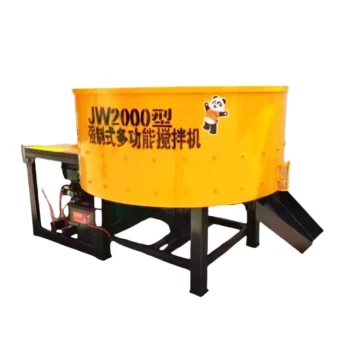
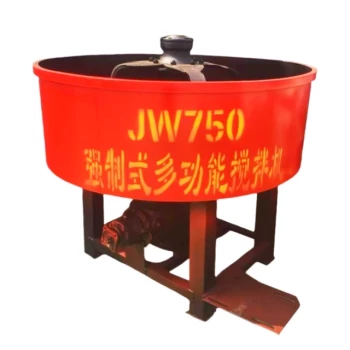
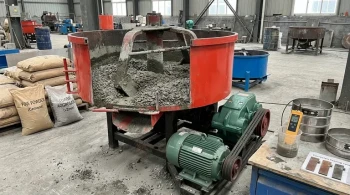
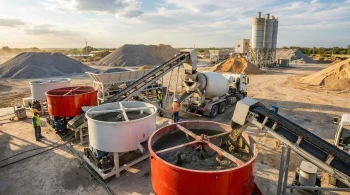
Thematics Concrete Mixer

concrete mixer

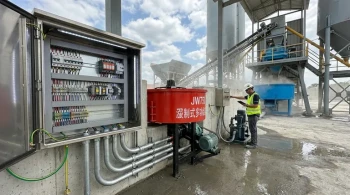
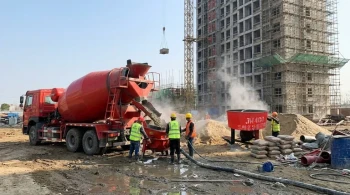
Concrete mixers are essential for construction projects, ensuring efficient and uniform mixing of cement, sand, gravel, and water. Our range includes:

  • Drum Mixers: Ideal for large-scale projects with high-efficiency mixing.
  • Portable Mixers: Compact and easy to transport, perfect for small to medium sites.
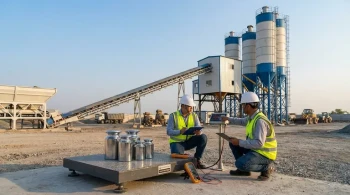
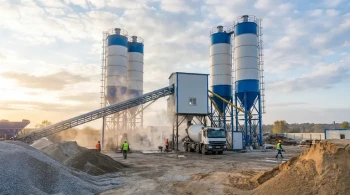
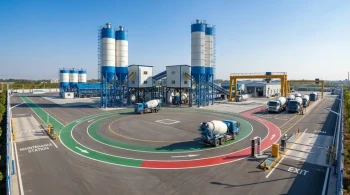
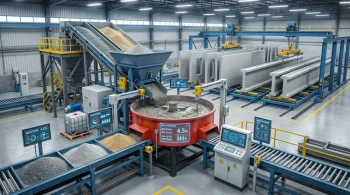
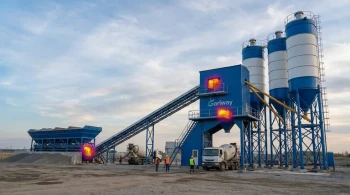
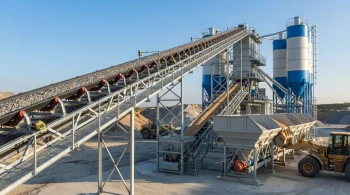
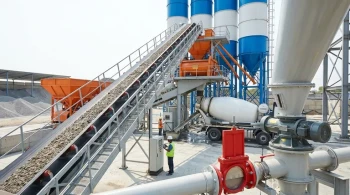
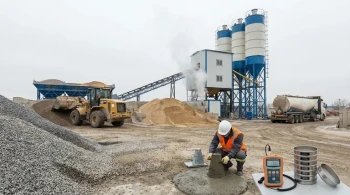
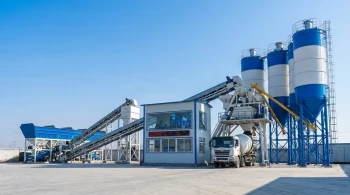
  • Batching Plants: Automated systems for precise and high-volume concrete production.
  • Hydraulic Mixers: Powerful and durable, suitable for demanding environments.

Each mixer is designed to enhance productivity and ensure consistent quality.


Why Choose Our Concrete Mixers?

Our concrete mixers are engineered to meet the diverse needs of construction projects, from small DIY tasks to large-scale industrial applications. Here’s what sets our products apart:

Advanced Mixing Technology

Our mixers feature rotating drums with internal blades that ensure thorough mixing, preventing cement lumps and ensuring uniform consistency. The inclined drum design is perfect for handling coarse aggregates, making it ideal for foundations, slabs, and structural elements.
Durability and Reliability

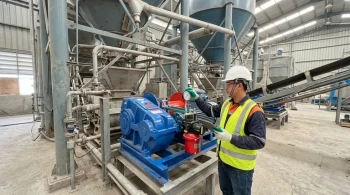
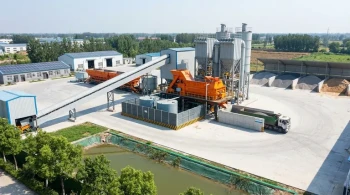
Built with high-quality materials, our mixers are designed to withstand harsh working conditions. Whether it’s a portable electric mixer for small jobs or a heavy-duty batching plant for large projects, our equipment delivers long-term performance with minimal maintenance.

Versatility

From JZC series portable mixers to HZS series batching plants, our range caters to various applications:

  • Construction Sites: Efficient mixing for buildings, roads, and bridges.
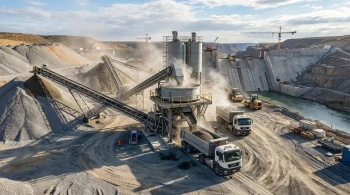
  • Hydropower Projects: Robust mixers for dams and large-scale infrastructure.
  • Precast Factories: Precise batching for prefabricated components.

Cost-Effectiveness

Investing in a concrete mixer saves time and labor costs compared to manual mixing or frequent rentals. Our mixers are energy-efficient, reducing operational expenses while delivering high productivity.
Customizable Solutions

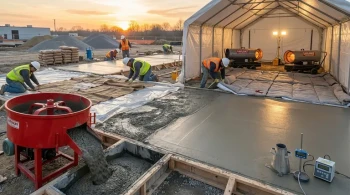
We understand that every project has unique requirements. Our team can tailor mixers to your specific needs, whether it’s adjusting capacity, power source, or mobility features.
Easy Operation and Maintenance

User-friendly controls and straightforward maintenance procedures ensure smooth operation. Many of our models come with automated features, reducing the need for constant supervision.

Eco-Friendly Design

Our mixers are designed to minimize waste and energy consumption, aligning with sustainable construction practices.

Applications of Concrete Mixers

Our mixers are widely used in:

  • Building Construction: Foundations, walls, and slabs.
  • Road and Bridge Projects: High-strength concrete for durable infrastructure.
  • Water Conservancy: Dams, canals, and hydropower stations.
  • Precast Concrete: Uniform mixing for prefabricated elements.

Get Started Today

Ready to enhance your construction efficiency? Explore our range of concrete mixers and find the perfect solution for your project. Have questions or need a customized option? Contact us today for expert advice and tailored solutions. Let’s build something great together!

FAQ

What Are The Main Applications Of Concrete Mixers?

Concrete mixers are widely used in various construction projects, including building construction, road construction, water projects, and hydropower projects. They are essential for producing uniform and high-quality concrete efficiently.

What Are The Different Types Of Concrete Mixers Available?

There are several types of concrete mixers, including drum mixers, twin-shaft mixers, volumetric mixers, and self-loading mixers. Each type is designed for specific applications, from small DIY projects to large-scale industrial construction.

How Does A Concrete Mixer Work?

A concrete mixer works by rotating a drum or using twin shafts to mix cement, water, and aggregates (like sand and gravel) to form a uniform concrete mixture. The mixing process ensures that all components are evenly distributed, resulting in consistent and high-quality concrete.

What Are The Advantages Of Using A Concrete Mixer?

The advantages of using a concrete mixer include high efficiency, uniform mixing, time-saving, and the ability to handle large volumes of concrete. Additionally, modern mixers are designed to be durable, portable, and easy to operate, making them suitable for various construction needs.

What Should I Consider When Choosing A Concrete Mixer?

When choosing a concrete mixer, consider factors such as the size of your project, the type of concrete you need, the mixer's capacity, portability, and power source (electric or hydraulic). It's also important to look for features like durability, ease of maintenance, and warranty.

Are There Portable Concrete Mixers Available?

Yes, there are portable concrete mixers available, such as the JZC350 and JZC400 models. These mixers are designed for small to medium projects and are easy to transport, making them ideal for construction sites and DIY projects.

What Is The Capacity Range Of Concrete Mixers?

Concrete mixers come in a wide range of capacities, from small mixers like the JZC350 with a capacity of 350 liters to large industrial mixers like the JS3000 with a capacity of 3000 liters. The choice of capacity depends on the scale of the construction project.

Can Concrete Mixers Be Used For Other Materials Besides Concrete?

Yes, some concrete mixers, like the shaft mixer, can be used for mixing other materials such as mortar and mud. However, it's important to ensure that the mixer is compatible with the specific materials you intend to mix.

What Maintenance Is Required For A Concrete Mixer?

Regular maintenance for a concrete mixer includes cleaning the drum or mixing blades after each use, checking for wear and tear, lubricating moving parts, and inspecting the electrical or hydraulic systems. Proper maintenance ensures the longevity and efficient operation of the mixer.

Are There Eco-friendly Concrete Mixers Available?

Yes, there are eco-friendly concrete mixers available, such as the Belle JS3000 and HZS120 models. These mixers are designed to reduce energy consumption and minimize environmental impact while maintaining high efficiency and performance.

REQUEST A QUOTE

Our professional team will reply to you within one business day. Please feel free to contact us!


Related Articles

How Cement Mixers Solve Industrial Derusting Challenges Safely and Efficiently

How Cement Mixers Solve Industrial Derusting Challenges Safely and Efficiently

Discover how cement mixers can be repurposed for safe, cost-effective industrial derusting with proven methods and safety tips.

Read more
The Precision Imperative: How Intelligent Concrete Mixing De-Risks Modern Construction

The Precision Imperative: How Intelligent Concrete Mixing De-Risks Modern Construction

Discover how automation, sustainable power, and self-cleaning systems in concrete mixers are solving core industry challenges of quality, compliance, and efficiency.

Read more
How to Achieve Sub-1% Measurement Error in Industrial Batching Systems

How to Achieve Sub-1% Measurement Error in Industrial Batching Systems

Learn how to achieve sub-1% measurement error in industrial batching systems with sensor calibration, flow optimization, and layered verification.

Read more
When Automation Fails: The Critical Role of Manual Override in Electric Winches

When Automation Fails: The Critical Role of Manual Override in Electric Winches

Explore why the manual override on an electric winch is more than a backup—it's a critical feature for precision, safety, and operational continuity.

Read more
Beyond Brute Force: The Winch as a Tool for Precision and Safety

Beyond Brute Force: The Winch as a Tool for Precision and Safety

A winch isn't just for pulling; it's a critical tool for applying controlled force, turning chaotic situations into manageable, safe operations.

Read more
How Ergonomic Engineering Transforms Electric Winch Usability for Modern Operators

How Ergonomic Engineering Transforms Electric Winch Usability for Modern Operators

Discover how ergonomic engineering enhances electric winch usability, reducing operator fatigue and boosting safety across industries.

Read more
Gravity's Shadow: The Mechanical Brake That Separates a Winch from a Hoist

Gravity's Shadow: The Mechanical Brake That Separates a Winch from a Hoist

A winch pulls against friction, but a hoist defies gravity. Discover the critical mechanical brake that prevents catastrophic failure in vertical lifting.

Read more
How to Choose the Right Winch Drum Size Without Sacrificing Power

How to Choose the Right Winch Drum Size Without Sacrificing Power

Learn how to choose the right winch drum size for marine, construction, or mining without sacrificing power, efficiency, or cable longevity.

Read more
How Component Engineering Elevates Cement Mixer Performance for Small Projects

How Component Engineering Elevates Cement Mixer Performance for Small Projects

Discover how component engineering enhances cement mixer efficiency, lifespan, and suitability for small projects. Learn key features for optimal performance.

Read more
Beyond the Pound Rating: The Electrical Psychology of a Successful Recovery

Beyond the Pound Rating: The Electrical Psychology of a Successful Recovery

A winch's amp draw isn't a fixed rating but a dynamic range. Understanding this is crucial for sizing your electrical system for peak demand.

Read more
How Small Cement Mixers Prevent Chronic Injuries in Construction Workers

How Small Cement Mixers Prevent Chronic Injuries in Construction Workers

Small cement mixers prevent chronic injuries in construction workers by reducing biomechanical strain. Learn how ergonomic designs improve health and efficiency.

Read more
How to Repurpose Cement Mixers for High-Efficiency Farm Material Processing

How to Repurpose Cement Mixers for High-Efficiency Farm Material Processing

Learn how to repurpose cement mixers for efficient farm material processing, from compost blending to fertilizer treatment, saving costs and boosting productivity.

Read more
The Geometry of Force: Why Confusing a Winch and a Hoist Is a Critical Mistake

The Geometry of Force: Why Confusing a Winch and a Hoist Is a Critical Mistake

Learn the fundamental engineering difference between horizontal pulling (winches) and vertical lifting (hoists) to prevent catastrophic failures.

Read more
How to Prevent Concrete Defects: Science-Backed Pouring and Vibration Techniques

How to Prevent Concrete Defects: Science-Backed Pouring and Vibration Techniques

Learn science-backed techniques to prevent concrete defects like honeycombing and cold joints. Follow ASTM/ACI standards for durable, defect-free structures.

Read more
The Physics of the Pull: Why Rope Management Defines Your Winch

The Physics of the Pull: Why Rope Management Defines Your Winch

Drum winches store rope for simple tasks; capstan winches pull infinitely. This core trade-off between containment and flexibility defines the right tool.

Read more
How Electric Winches Outperform Hydraulic Systems in Cost and Efficiency

How Electric Winches Outperform Hydraulic Systems in Cost and Efficiency

Discover why electric winches outperform hydraulic systems in cost, efficiency, and maintenance, with real-world case studies and savings data.

Read more
The Cascade Effect: How a Single Air Compressor Fault Cripples an Entire Concrete Plant

The Cascade Effect: How a Single Air Compressor Fault Cripples an Entire Concrete Plant

Uncover the four common air compressor faults—from filters to valves—that cause catastrophic downtime in concrete plants and how to prevent them.

Read more
How to Prevent Water-Induced Concrete Degradation During Finishing

How to Prevent Water-Induced Concrete Degradation During Finishing

Learn how to prevent water-induced concrete degradation during finishing with expert tips on maintaining optimal water-cement ratios for durable surfaces.

Read more
Gravity's Gatekeeper: The Mechanical Brake That Separates a Winch from a Hoist

Gravity's Gatekeeper: The Mechanical Brake That Separates a Winch from a Hoist

The key difference between a winch and a hoist isn't direction, but a critical braking system. One pulls, the other safely defies gravity.

Read more
How to Maximize Electrical Winch Performance in Challenging Environments

How to Maximize Electrical Winch Performance in Challenging Environments

Learn how to maximize electrical winch performance in tough environments, from waterproofing tips to duty cycle management.

Read more