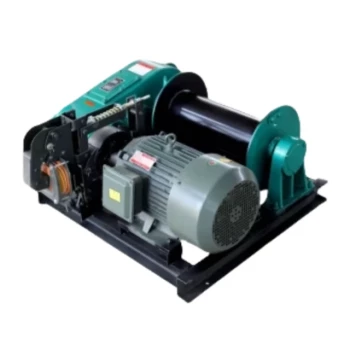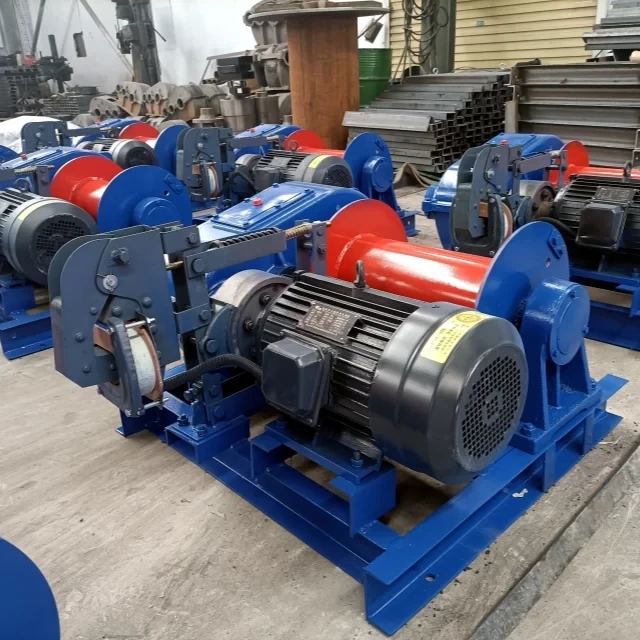
When operational spaces are tight but directional flexibility is non-negotiable, capstan winches emerge as a cost-effective powerhouse. Unlike traditional horizontal drum winches, these vertical drum systems excel in confined maritime and industrial settings—but their true value lies in balancing upfront costs with long-term efficiency. Let’s dissect where they outperform alternatives and how to match them to your needs.
Capstan Winch Fundamentals: Vertical Drum Mechanics and Angle Adaptability
The Physics Behind the Power
Capstan winches leverage a vertical drum design to redirect ropes at multiple angles without re-spooling. This "wrap-and-pull" mechanism allows operators to:
- Change pulling directions instantly (ideal for mooring ships or navigating obstacles)
- Maintain consistent tension even with uneven loads
- Reduce rope wear since the line doesn’t pile up on a drum
Space-Saving Advantages in Confined Environments
Ever struggled with a horizontal winch in a cramped dock or factory floor? Capstan models solve this by:
- Occupying 40–60% less footprint than drum winches
- Allowing installation near walls or corners
- Enabling portable setups for temporary operations
Did You Know? The rope’s friction against the drum multiplies pulling force—meaning smaller motors can handle heavier loads compared to traditional winches.
Operational Trade-Offs: Cost vs. Performance
Installation Costs vs. Long-Term Efficiency
While capstan winches may cost 15–20% more upfront than basic drum winches, their ROI shines in:
- Labor savings: Fewer repositioning stops during tasks like vessel mooring
- Energy efficiency: Reduced motor strain from optimized rope angles
- Maintenance: No drum re-spooling means less mechanical wear
High-Speed Lifting Constraints and Safety Implications
Capstan winches prioritize control over speed. Safety standards highlight:
- Manual tension release for instant stops (critical in offshore operations)
- Operators stay clear of the load path, minimizing injury risks
- Rope breaks are less hazardous than cable snaps
Pro Tip: For high-speed lifting (e.g., construction cranes), horizontal drum winches remain preferable—but capstans dominate where precision and adaptability matter.
Scenario-Based Decision Guide: Matching Capstans to Your Needs
Maritime and Industrial Use Cases for Angle Flexibility
Capstan winches excel in:
- Ship Mooring: Adjusting lines to tidal shifts without repositioning the winch
- Confined Factories: Moving heavy equipment around obstacles
- Emergency Recovery: Quick directional changes in rescue operations
When to Choose Capstan Winches Over Horizontal Drum Models
Prioritize capstans if your operation requires:
✔ Multi-directional pulls (e.g., logging or stage rigging)
✔ Space constraints (ports, underground mines)
✔ Frequent tension adjustments (towing or dredging)
Real-World Impact: A single capstan winch replaced three traditional winches in a shipyard, cutting mooring time by 35%.
Conclusion: Smart Winch Selection for Maximum ROI
Capstan winches aren’t a one-size-fits-all solution—but for directional flexibility and space efficiency, they’re unmatched. Assess your:
- Space availability
- Load speed requirements
- Budget for long-term savings
For operations aligned with Garlway’s rugged winch designs, explore models emphasizing durability in corrosive or high-friction environments. The right winch transforms workflow bottlenecks into seamless maneuvers.
Final Thought: Could your current winch system benefit from the adaptability of a capstan design?
Related Products
- Portable Small Trailer Winch
- Small Electric Winch 120V and 240V for Compact Applications
- Electric and Hydraulic Winch for Heavy Duty Applications
- 12000 lb Heavy Duty Electric Boat Winch
- Hydraulic Winding Engine Harbor Freight Winch
Related Articles
- Beyond the Bumper: The Critical System Choice in Powering Your Trailer Winch
- The Calculated Pull: A Systems Approach to Winch Selection
- How Quick Winch Rope Speed Transforms Industrial Efficiency
- How to Match Winch Specifications to Your Operational Needs
- The Gravity of the Situation: Why Vehicle Weight is the Least of Your Winch's Worries