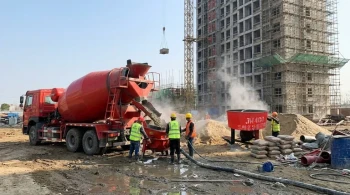
Thematics Cement Mixer With Lift

cement mixer with lift

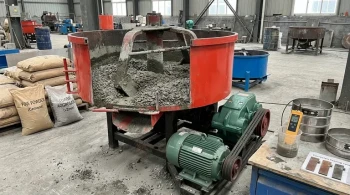
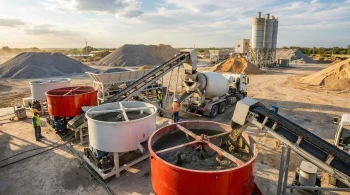
Cement mixers with lift are essential for various applications, including construction sites, farming, and large-scale infrastructure projects. Our product range includes:

  • JZC500 Large Cement Mixer: Ideal for efficient, portable, and durable concrete mixing on construction sites.
  • JZC1000 Industrial Concrete Mixer: Features 1600L feeding and 1000L discharge for high-performance mixing.
  • Portable Cement Mixer with Lift: Perfect for highways, dams, and construction sites with a 6m³ capacity.
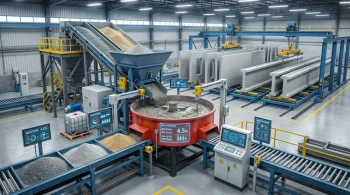
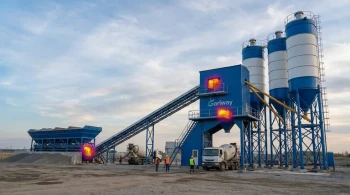
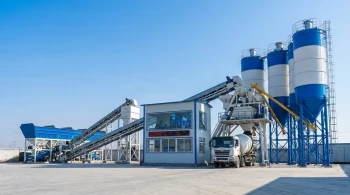
  • HZS75 Concrete Batching Plant: High efficiency and precise mixing for superior results.
  • JDC350 Small Cement Mixer: Efficient and uniform mixing for construction, roads, and water projects.

Why Choose Our Cement Mixers with Lift?

Our cement mixers with lift are designed to meet the demanding needs of modern construction and farming projects. Here’s why they stand out:

Advanced Features and Principles

  • Efficient Mixing Process: Our mixers load cement, water, and aggregates into the drum, rotating to blend materials thoroughly until the perfect consistency is achieved.
  • Versatile Applications: Beyond construction, these mixers are perfect for gardening and farming, such as mixing compost, preparing potting soil, and blending bulk fertilizers.
  • Portability and Durability: Designed for easy mobility and long-lasting performance, our mixers are built to withstand tough working conditions.

Key Advantages

  • Time and Labor Savings: Get the job done faster with less effort, reducing human capital costs significantly.
  • On-Site Mixing: Eliminate the need for pre-mixed concrete, allowing for fresh mixes right at the project site.
  • Improved Safety: Reduce manual handling risks, ensuring a safer and tidier construction environment.
  • Customizable Solutions: Tailor the mixer to your specific project needs, whether it’s for small-scale DIY projects or large industrial applications.

Professional and Customizable Services

We understand that every project is unique. That’s why we offer customizable solutions to match your exact requirements. Our team of experts is ready to assist you in selecting the perfect cement mixer with lift for your needs.

Ready to enhance your project efficiency? Contact us today to discuss your requirements or request a quote. Let’s build something great together!

FAQ

What Are The Applications Of A Cement Mixer With Lift?

A cement mixer with lift is used in gardening or farming to mix compost, prepare potting soil, apply inoculant to legume seeds, blend bulk fertilizer (such as a mix of nitrogen, phosphorus, and potassium), and condition wood chips by adding moisture for pellet mills. It is also widely used in construction for mixing cement, water, and aggregates on-site.

How Does A Cement Mixer With Lift Work?

The cement mixer with lift operates by loading cement, water, and aggregates into the drum. The drum is then rotated to blend the materials thoroughly. Once the mixture reaches the correct consistency, it is unloaded for use. The lift mechanism facilitates easy loading and unloading of materials, enhancing efficiency.
What Are The Advantages Of Using A Cement Mixer With Lift?

The key advantages of using a cement mixer with lift include completing the job faster with less effort, the convenience of mixing cement on-site, reduced labor costs, improved health and safety for workers by minimizing manual handling, and maintaining a cleaner and more organized construction site.

Can A Cement Mixer With Lift Be Used For Purposes Other Than Mixing Cement?

Yes, a cement mixer with lift can be used for various other purposes such as mixing compost, preparing potting soil, blending fertilizers, and conditioning wood chips in gardening and farming applications. Its versatility makes it a valuable tool beyond traditional construction uses.

Why Is A Cement Mixer With Lift Beneficial For Construction Sites?

A cement mixer with lift is beneficial for construction sites because it enhances productivity by allowing on-site mixing of materials, reduces the need for manual labor, improves worker safety by minimizing heavy lifting, and helps maintain a tidy and efficient work environment. The lift mechanism further streamlines the process by facilitating easy material handling.

REQUEST A QUOTE

Our professional team will reply to you within one business day. Please feel free to contact us!

Related Articles

How Material Preparation Dictates Industrial Mixer Longevity: A Scientific Guide

How Material Preparation Dictates Industrial Mixer Longevity: A Scientific Guide

Learn how material preparation—particle size, chemical compatibility, and pH—dictates industrial mixer longevity and blade wear prevention.
Read more
Why Forced Mixers Dominate Modern Concrete Production: Technical Advantages & Industry Proof

Why Forced Mixers Dominate Modern Concrete Production: Technical Advantages & Industry Proof

Forced mixers dominate concrete production with superior efficiency, mix quality, and versatility. Learn their advantages over traditional mixers.

Read more
How RCC Batching Plants Overcome Water Conservancy Engineering Challenges

How RCC Batching Plants Overcome Water Conservancy Engineering Challenges

Discover how RCC batching plants enhance water conservancy projects with high-capacity output, energy efficiency, and superior aggregate handling for durable dam construction.

Read more
How to Calibrate Concrete Batching Equipment After Sensor Replacement: A Step-by-Step Guide

How to Calibrate Concrete Batching Equipment After Sensor Replacement: A Step-by-Step Guide

Step-by-step guide to calibrate concrete batching equipment after sensor replacement for ASTM compliance and mix accuracy.

Read more
How to Minimize Measurement Errors in Concrete Batching: 4 Proven Strategies

How to Minimize Measurement Errors in Concrete Batching: 4 Proven Strategies

Learn 4 proven strategies to minimize measurement errors in concrete batching, ensuring compliance and structural integrity with ASTM C94 and EN 206 standards.

Read more
How to Optimize Concrete Mixing Station Layouts for Maximum Vehicle Throughput

How to Optimize Concrete Mixing Station Layouts for Maximum Vehicle Throughput

Optimize concrete mixing station layouts for 30%+ vehicle throughput gains using circular traffic flow, staggered scheduling & strategic zoning.

Read more
How Cement Mortar Mixing Plants Achieve Sustainable Construction Through Pollution Control and Resource Efficiency

How Cement Mortar Mixing Plants Achieve Sustainable Construction Through Pollution Control and Resource Efficiency

Discover how modern cement mortar mixing plants reduce emissions by 30% with closed-loop systems, smart resource management, and noise control technologies.

Read more
How Automated Weighing Systems Transform Concrete Plants: Efficiency, Accuracy & ROI

How Automated Weighing Systems Transform Concrete Plants: Efficiency, Accuracy & ROI

Discover how automated weighing systems enhance concrete plant efficiency, accuracy, and ROI while reducing waste and ensuring ASTM compliance.

Read more
How to Prevent Concrete Surface Defects Through Material and Curing Optimization

How to Prevent Concrete Surface Defects Through Material and Curing Optimization

Learn expert strategies to prevent concrete defects through material optimization and climate-adaptive curing protocols for durable surfaces.

Read more
How to Design Fail-Safe Electrical Systems for Concrete Mixing Plants

How to Design Fail-Safe Electrical Systems for Concrete Mixing Plants

Learn fail-safe electrical system design for concrete mixing plants—NEC/IEC compliance, dustproof enclosures, vibration-resistant wiring, and surge protection.

Read more
How to Choose the Right Hoisting Device for Your Industry Needs

How to Choose the Right Hoisting Device for Your Industry Needs

Learn how to choose the right hoisting device—manual, electric, or hydraulic—based on load capacity, energy efficiency, and industry needs.

Read more
How Automation in Precast Batching Plants Delivers Precision and Cuts Waste

How Automation in Precast Batching Plants Delivers Precision and Cuts Waste

Discover how automation in precast batching plants enhances precision, reduces waste by 15%, and boosts efficiency with real-time monitoring and AI-driven adjustments.

Read more
How to Choose the Right Soil Improvement Method for Your Construction Project

How to Choose the Right Soil Improvement Method for Your Construction Project

Learn how to choose the best soil improvement method for construction projects based on soil type, budget, and environmental impact.

Read more
How to Prevent Reducer Failures in Concrete Mixing Plants Through Temperature Compliance

How to Prevent Reducer Failures in Concrete Mixing Plants Through Temperature Compliance

Learn how to prevent reducer failures in concrete plants by managing temperature compliance with ISO 6336 standards and proactive monitoring techniques.

Read more
How to Choose Between Manual and Electric Winches for Your Project

How to Choose Between Manual and Electric Winches for Your Project

Compare manual vs. electric winches: power source, performance, cost, and best use cases for your project. Choose wisely!

Read more
How Precision Slow-Speed Winches Reduce Costs in Critical Industrial Operations

How Precision Slow-Speed Winches Reduce Costs in Critical Industrial Operations

Precision slow-speed winches enhance safety & cut costs in offshore & construction operations through controlled torque & reduced downtime.

Read more
How to Implement Engineering-Led Hoist Safety Protocols That Prevent Catastrophic Failures

How to Implement Engineering-Led Hoist Safety Protocols That Prevent Catastrophic Failures

Learn engineering-led hoist safety protocols to prevent catastrophic failures through systemic risk management, dynamic testing, and compliance documentation.

Read more
How to Optimize Aggregate Conveying Systems for Cost-Efficiency and Reliability

How to Optimize Aggregate Conveying Systems for Cost-Efficiency and Reliability

Learn how to optimize aggregate conveying systems for cost-efficiency, reliability, and reduced maintenance in concrete plants.

Read more
How to Prevent Feeding Bottlenecks in Concrete Mixing: 3 Proven Strategies

How to Prevent Feeding Bottlenecks in Concrete Mixing: 3 Proven Strategies

3 proven strategies to prevent feeding bottlenecks in concrete mixing: optimize storage, valves, and tools for continuous workflow.

Read more
How Electrically Driven Winch Components Ensure Safe and Efficient Heavy Load Management

How Electrically Driven Winch Components Ensure Safe and Efficient Heavy Load Management

Learn how electrically driven winch components like drums, brakes, and motors ensure safe heavy load management in construction and marine applications.

Read more