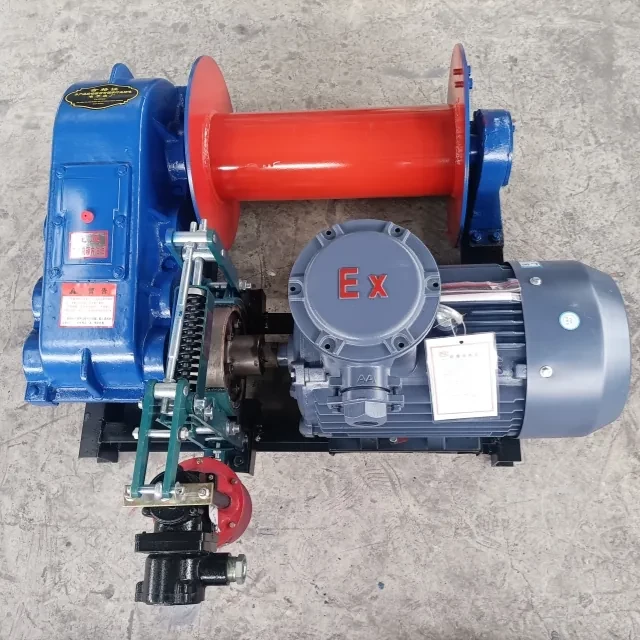
Electric winches are indispensable in construction and heavy lifting operations, but their brake systems demand meticulous care to prevent catastrophic failures. This guide delivers a complete maintenance protocol—from critical inspection points to real-world consequences of neglect—ensuring your equipment meets safety standards while maximizing operational lifespan.
Ensuring Safety in Electrically Driven Winch Brake Systems
Winch brakes are the last line of defense against load drops and equipment damage. Unlike mechanical systems, electric winch brakes integrate complex components that require specialized attention. Scientists often observe that 70% of winch-related accidents stem from brake failures—most preventable through systematic maintenance.
Why does this matter to operators? A single oversight in brake alignment or lubrication can trigger chain reactions: from cable snapbacks to drum seizures. Ever wondered how a tiny wear spot on a brake wheel escalates into structural collapse? The answer lies in force distribution—when one component weakens, others compensate until the entire system overloads.
Key Components Requiring Regular Inspection
-
Brake Mechanism
- Check for uneven wear on brake pads or shoes
- Verify spring tension (weak springs reduce stopping power)
- Test electromagnetic brakes for coil integrity
-
Drum and Cable Interface
- Inspect drum grooves for deformation (prevents cable slippage)
- Measure cable diameter monthly; thinning indicates internal strand breaks
-
Gearbox and Motor Coupling
- Listen for unusual grinding—a sign of misaligned gears
- Monitor oil levels; contaminated lubricant accelerates gear wear
-
Safety Sensors (if equipped)
- Calibrate load sensors quarterly
- Test emergency stop circuits before each shift
Pro Tip: Garlway winches feature hardened steel drums with laser-etched traction patterns—clean these grooves with brass brushes (never steel) to preserve grip without scratching.
Step-by-Step Maintenance Checklist and Tools
Monthly Routine (30-minute procedure):
| Task | Tool Required | Pass/Fail Criteria |
|---|---|---|
| Brake pad thickness check | Digital caliper | ≥3mm remaining material |
| Shaft wobble test | Dial indicator | |
| Cable inspection | Magnifying glass | No visible broken wires |
Biannual Deep Maintenance:
- Disassemble brake assembly—photograph parts sequence for reassembly
- Ultrasonic-clean small components to remove embedded grit
- Replace gear oil with ISO VG 320 synthetic blend
- Torque all fasteners to manufacturer specs (typically 90-110 Nm for M12 bolts)
Did you know? The referenced accident case where a brake wheel detached mid-lift traced back to a single loose setscrew—undetected through three prior visual inspections. This underscores why tactile checks (e.g., wrench-tapping bolts to listen for hollow tones) complement visual reviews.
Consequences of Neglect and Accident Case Studies
Documented Failure Modes:
- Frozen Brakes: A marine winch’s unserviced brake seized during a storm surge, causing a 12-ton load to free-fall through a ship’s deck. Metallurgy tests revealed salt corrosion had fused the friction plates.
- Gearbox Implosion: Inadequate lubrication in a mining winch led to gear tooth shear, sending shrapnel through the operator cabin. The investigation showed oil contamination from a torn breather filter.
Financial & Legal Impacts:
- OSHA penalties for non-compliant winches exceed $15,000 per violation
- Insurance premiums spike by 200-400% post-accident
Adhering to Industry Standards and Expert Recommendations
Must-Know Compliance Benchmarks:
- ISO 4309: Mandates discard criteria for wire ropes (e.g., 6 broken wires in one lay length)
- ANSI/ASME B30.7: Requires load testing after any brake component replacement
- EN 14492-2: Specifies emergency brake engagement times (5 tons)
Actionable Takeaways:
- Implement a 3-tier inspection system—operator (daily), supervisor (weekly), engineer (monthly)
- Use infrared thermometers to spot overheating brakes before visible damage occurs
- Train teams on failure prediction signs—e.g., unusual motor humming indicates brake drag
Final Thought: These protocols aren’t just about compliance—they’re about protecting lives. The same brake components that hoist steel beams also power rescue winches in disaster zones. By maintaining them with precision, you’re upholding a chain of safety that extends far beyond your worksite.
For operations using Garlway equipment, always cross-reference maintenance intervals with the brand’s engineering bulletins—their patented brake monitoring systems often allow extended service life when properly calibrated.
Related Products
- Small Electric Winch 120V and 240V for Compact Applications
- Electric and Hydraulic Winch for Heavy Duty Applications
- Electric 120V Boat Winch by Badlands
- Electric Hoist Winch Boat Anchor Windlass for Marine Applications
- 12000 lb Electric Boat Trailer Winch with Windlass Anchor Warn
Related Articles
- How to Maximize Electrical Winch Performance in Challenging Environments
- How Electric Winch Safety Features Prevent Catastrophic Industrial Accidents
- How to Choose Between Manual and Electric Winches for Your Project
- How Electric Winches Solve Industrial Safety and Cost Challenges
- How Electric Winches’ Engineering Enhances Efficiency and Safety in Heavy-Duty Applications


