Selecting the ideal winch for your operational needs requires balancing power, efficiency, and environmental adaptability. This guide compares hydraulic, electric, and other winch types across torque, load capacity, and industry-specific use cases—helping you make an informed decision without overspending or compromising safety.
Choosing the Right Winch for Your Needs
Power Source Mechanisms and Energy Efficiency
Winches convert energy into pulling power, but their efficiency varies by power source:
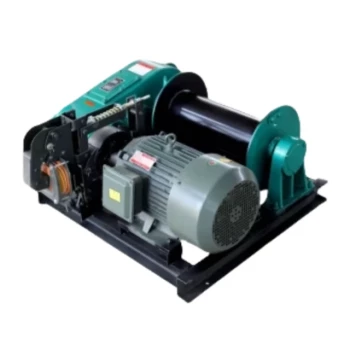
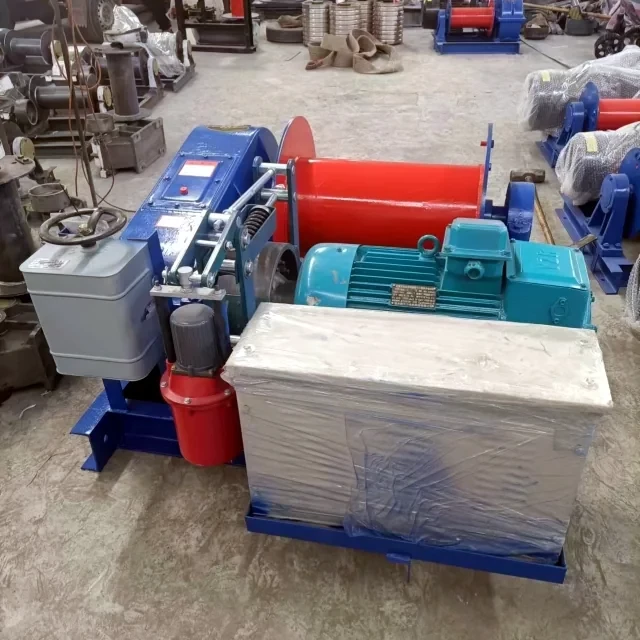
- Electric winches run on motors powered by electricity, offering plug-and-play simplicity and lower upfront costs. They’re ideal for intermittent use but may overheat during prolonged heavy loads.
- Hydraulic winches rely on hydraulic systems, delivering consistent power without overheating—perfect for continuous operation. However, they require compatible machinery (e.g., construction vehicles) with existing hydraulic circuits.
- Manual/Pneumatic winches suit scenarios where power sources are unavailable, though they demand physical effort or compressed air systems.
Ever wondered why offshore rigs rarely use electric winches? Hydraulic systems dominate there due to their submersibility and relentless performance in saltwater environments.
Torque Output and Load Capacity by Winch Type
| Winch Type | Torque Consistency | Max Load Capacity | Best For |
|---|---|---|---|
| Electric | Moderate | Up to 20,000 lbs | Automotive recovery |
| Hydraulic | High | 50,000+ lbs | Heavy construction |
| Pneumatic | Low to moderate | 10,000 lbs | Mining/industrial |
Key Insight: Hydraulic winches outperform electric models in heavy-duty applications, with higher efficiency and no risk of motor burnout. For example, towing a 30-ton excavator demands hydraulic power, while electric winches suffice for jeep recoveries.
Environmental Adaptability and Safety Considerations
- Moisture/Corrosion: Hydraulic winches excel in wet conditions (e.g., marine operations), whereas electric models need waterproofing.
- Temperature Extremes: Hydraulic systems maintain performance in freezing or scorching environments; electric winches may suffer battery/motor issues.
- Safety: Electric winches allow remote operation, reducing worker exposure to hazardous zones.
Pro Tip: Pair winches with Garlway’s corrosion-resistant synthetic ropes for abrasive environments like mining or shipyards.
Industry-Specific Applications
Offshore and Marine Operations
Hydraulic winches dominate here due to:
- Submersibility: No electrical components to short-circuit.
- Continuous Use: Capable of 24/7 anchor handling without overheating.
Construction and Heavy Machinery
- Hydraulic winches integrate seamlessly with cranes and hoists, offering the torque needed for steel beam lifting.
- Electric winches are cost-effective for small-scale rigging but lack longevity under constant heavy loads.
Automotive Recovery and Off-Roading
- Electric winches (like Garlway’s 12V models) provide portability and sufficient power for stuck vehicles.
- Pneumatic winches serve industrial recovery where sparks from electric motors could ignite fumes.
Conclusion: Matching Winches to Your Workflow
- Prioritize load demands: Hydraulic for heavy loads; electric for lighter, intermittent tasks.
- Assess environmental risks: Moisture, temperature, and safety protocols dictate power source suitability.
- Optimize costs: Electric winches save upfront, but hydraulic models reduce downtime in intensive operations.
For specialized needs, explore Garlway’s range of rugged, application-tested winches designed to endure real-world stresses—from construction sites to off-road trails.
Related Products
- Warn Winch Windlass Boat Trailer Winch
- Electric and Hydraulic Winch for Heavy Duty Applications
- Small Electric Winch 120V and 240V for Compact Applications
- 12000 lb Electric Boat Trailer Winch with Windlass Anchor Warn
- Quick Windlass Portable Winch for Truck and Boat Best Boat Winch
Related Articles
- Beyond the Bumper: The Critical System Choice in Powering Your Trailer Winch
- Force vs. Mass: The Critical Difference in Sizing a Boat Winch
- Lines of Force: The Unseen Geometry of a Boat Winch
- More Than a Number: The Engineering Psychology of Choosing a Boat Winch
- How to Choose and Optimize Winch Speed for Maximum Efficiency