When selecting a winch, the choice between manual and electric models hinges on three critical factors: performance needs, budget constraints, and operational environment. Whether you're hauling equipment on a remote job site or managing heavy loads in industrial settings, understanding these systems' core differences ensures optimal efficiency and safety. This guide breaks down design principles, cost-benefit trade-offs, and emerging alternatives to help you make an informed decision.
Types of Winches by Driving Mechanism
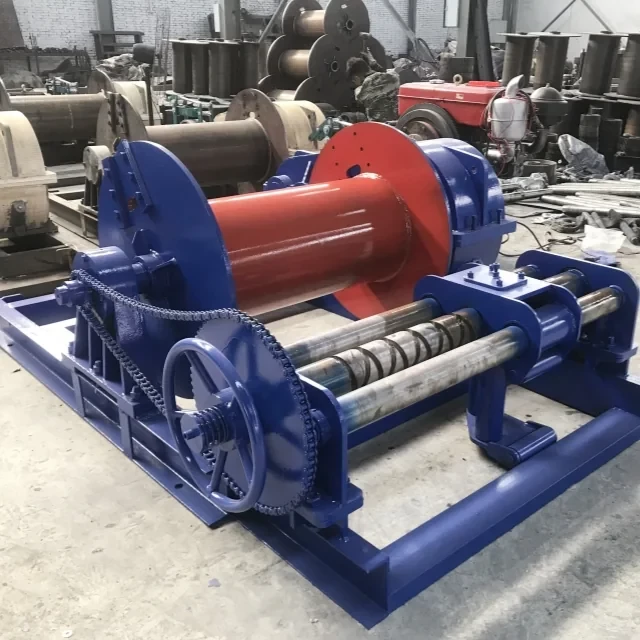
Manual Winches: Design and Operational Principles
Manual winches rely on human power, using a hand crank or lever to spool cables. Their simplicity makes them ideal for:
- Low-frequency tasks (e.g., occasional boat trailer adjustments)
- Remote locations without power access
- Budget-conscious projects, as they lack motorized components requiring maintenance.
Did you know? A single operator can typically generate up to 1 ton of pulling force with a hand winch, but sustained use demands significant physical effort.
Electric Winches: Technology and Power Dynamics
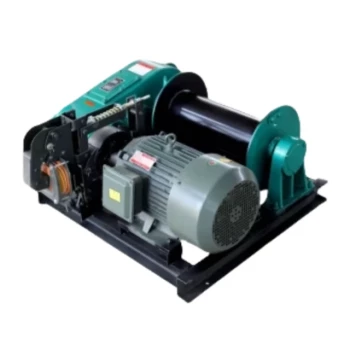
Electric winches automate lifting/hauling with motors, offering:
- Higher load capacities (up to 20+ tons for industrial models)
- Precision control via variable speed settings
- Reduced labor strain, though they require a power source (battery or grid).
Key components like gearboxes and brakes enhance durability, but electric models incur higher upfront and maintenance costs.
Critical Factors for Choosing a Winch
Load Capacity and Energy Efficiency
- Manual winches suit sub-2-ton loads; their energy input scales directly with user effort.
- Electric winches excel in heavy-duty scenarios (e.g., construction sites), with motors efficiently converting energy to torque.
Pro Tip: For repetitive tasks, electric models save time and fatigue, offsetting their higher energy costs.
Environmental Adaptability and Safety
- Manual winches thrive in harsh, off-grid environments (e.g., forestry work) but risk operator fatigue.
- Electric winches need weatherproofing for wet/dusty conditions and may overheat under prolonged use.
Safety Note: Electric winches often include automatic braking, while manual versions require vigilant load monitoring.
Beyond Manual and Electric: Emerging Alternatives
Hydraulic winches, though not covered in detail here, outperform electric models in extreme conditions (e.g., underwater operations) with unmatched load-bearing capacity and heat resistance.
Conclusion: Matching Your Needs to the Right Winch
- For light, intermittent tasks: Manual winches offer affordability and portability.
- For heavy/frequent lifting: Electric winches boost productivity and reduce physical strain.
- For extreme environments: Explore hydraulic or hybrid systems.
Garlway’s winch lineup includes rugged electric and manual options designed for reliability across industries. Assess your load requirements, power access, and safety priorities to narrow your choice—then let the right tool handle the heavy lifting.
Final Thought: Ever considered how a winch could streamline your next project? The right selection balances power, practicality, and long-term value.
Related Products
- Warn Winch Windlass Boat Trailer Winch
- Electric and Hydraulic Winch for Heavy Duty Applications
- Small Electric Winch 120V and 240V for Compact Applications
- 12000 lb Electric Boat Trailer Winch with Windlass Anchor Warn
- Quick Windlass Portable Winch for Truck and Boat Best Boat Winch
Related Articles
- Beyond the Bumper: The Critical System Choice in Powering Your Trailer Winch
- Force vs. Mass: The Critical Difference in Sizing a Boat Winch
- Lines of Force: The Unseen Geometry of a Boat Winch
- More Than a Number: The Engineering Psychology of Choosing a Boat Winch
- How to Choose and Optimize Winch Speed for Maximum Efficiency