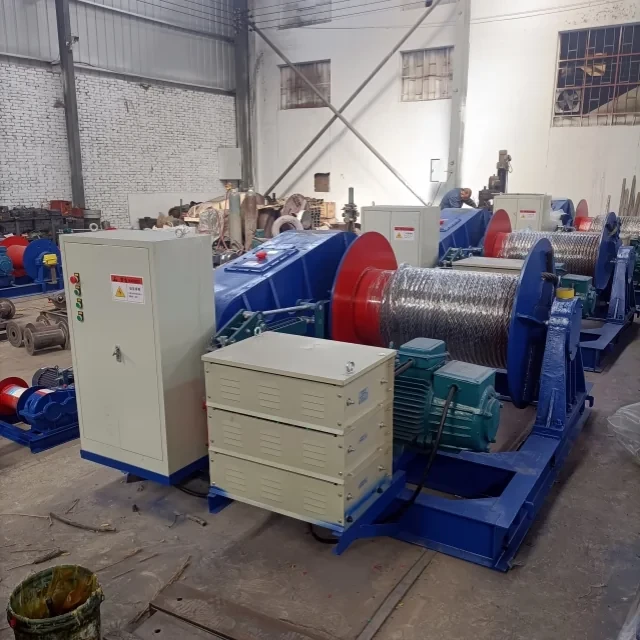
Selecting the optimal winch isn’t just about pulling power—it’s about matching power sources to your operational demands. Whether you’re lifting construction beams or recovering boats, the choice between manual, electric, and hydraulic systems impacts efficiency, safety, and long-term costs. This guide breaks down performance metrics, industry-specific use cases, and cost considerations to help you make an informed decision.
Understanding Winch Power Sources
How Manual, Electric, and Hydraulic Winches Work
- Manual Winches: Operated by hand cranks, ideal for light loads (under 2 tons) and scenarios where power sources are unavailable. Think of them as the "emergency backup" of winches—simple but labor-intensive.
- Electric Winches: Use battery or grid power for consistent performance. Like a silent workhorse, they balance power (typically 0.5–10 tons) with energy efficiency.
- Hydraulic Winches: Leverage fluid pressure for extreme loads (10+ tons). Their planetary gear mechanisms multiply torque, making them the "heavyweight champions" for industrial tasks.
Key Metrics: Load Capacity, Energy Efficiency, and Durability
| Power Type | Load Capacity | Energy Use | Best For |
|---|---|---|---|
| Manual | Low ( | Human effort | Emergency/light use |
| Electric | Medium (0.5–10T) | Moderate | Frequent mid-load tasks |
| Hydraulic | High (10–100T+) | High | Continuous heavy-duty use |
Did you know? Hydraulic systems dominate offshore crane operations due to their torque adaptability in harsh environments.
Industry-Specific Applications and Best Practices
Construction and Heavy Lifting: When Hydraulic Excels
Hydraulic winches thrive in high-stakes environments like steel erection or bridge building. Their ability to handle erratic loads—thanks to ASME B30.7-compliant safety designs—makes them indispensable. For example, a single hydraulic unit can lift I-beams while compensating for wind sway, reducing rigging failures.
Off-Grid and Marine Environments: Advantages of Manual/Electric
- Forestry & Remote Work: Electric winches outperform manual ones here. They retrieve heavy logs faster while reducing operator fatigue—critical when working with limited crew.
- Marine Recovery: Electric models offer quieter, safer boat retrieval. No shouting over engine noise, and no risk of hand-crank slippage during rough waves.
Ever wondered why electric winches are the top choice for eco-conscious marine operators? Lower emissions and no fluid leaks protect sensitive aquatic ecosystems.
Cost and Safety Considerations
Total Ownership Costs by Power Type
- Manual: Lowest upfront cost ($100–$500) but high labor expenses over time.
- Electric: Mid-range ($800–$5,000) with savings from energy efficiency and minimal maintenance.
- Hydraulic: Highest initial investment ($5,000–$50,000) but lowest cost-per-ton in continuous use.
Safety Protocols for High-Risk Scenarios
- Hydraulic Systems: Require regular fluid checks and pressure tests to prevent leaks.
- Electric Winches: Use overload protection to avoid battery drain or motor burnout.
- Universal Tip: Always inspect cables and hooks before operation—regardless of power type.
Conclusion: Matching Your Needs to the Right Winch
Your winch choice hinges on three questions:
- How heavy are your typical loads? (Go hydraulic for 10+ tons.)
- What’s your power availability? (Electric for grid access; manual for backup.)
- What safety risks exist? (Prioritize systems with ASME compliance for heavy industry.)
For those investing in durable, task-specific solutions, Garlway’s range of winches offers tailored options—from rugged hydraulic units for construction to efficient electric models for marine use.
Final thought: The right winch doesn’t just move weight—it moves your project forward safely and efficiently.
Related Products
- Warn Winch Windlass Boat Trailer Winch
- Electric and Hydraulic Winch for Heavy Duty Applications
- Small Electric Winch 120V and 240V for Compact Applications
- 12000 lb Electric Boat Trailer Winch with Windlass Anchor Warn
- Quick Windlass Portable Winch for Truck and Boat Best Boat Winch
Related Articles
- Beyond the Bumper: The Critical System Choice in Powering Your Trailer Winch
- Force vs. Mass: The Critical Difference in Sizing a Boat Winch
- Lines of Force: The Unseen Geometry of a Boat Winch
- More Than a Number: The Engineering Psychology of Choosing a Boat Winch
- How to Choose and Optimize Winch Speed for Maximum Efficiency





