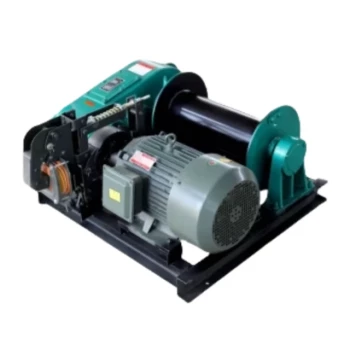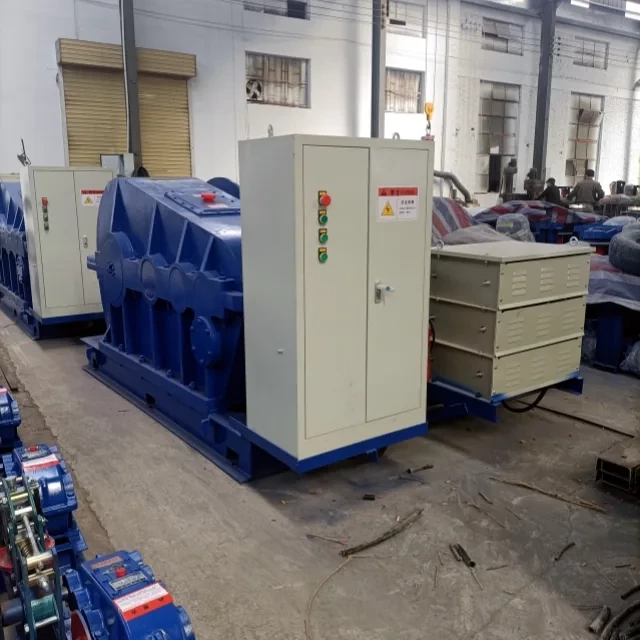
Selecting the right winch speed isn’t just about moving loads—it’s about balancing safety, precision, and productivity. Whether you’re recovering vehicles on a muddy worksite or lifting heavy construction materials, the wrong speed can lead to equipment strain, safety hazards, or inefficient operations. This guide breaks down winch speed fundamentals, application-specific requirements, and expert selection criteria to help you make informed decisions.
Understanding Winch Working Speed
Defining Speed Metrics: Line Speed vs. Drum Rotation
Winch speed is typically measured in two ways:
- Line speed: How fast the rope/cable moves (e.g., meters per minute).
- Drum rotation speed: Revolutions per minute (RPM) of the drum.
For example, a drum with a 12 cm circumference rotating at 25 RPM produces a line speed of ~3 meters/minute. Ever wondered why some winches feel faster despite similar motor specs? The drum’s diameter and gearing play pivotal roles.
Key Factors Influencing Speed
- Motor Power: Higher horsepower generally enables faster speeds, but gearing can modify this relationship.
- Load Weight: Heavier loads require slower speeds to maintain control and reduce motor overheating.
- Rope Diameter: Thicker ropes reduce drum capacity, indirectly affecting line speed.
Applications and Speed Requirements
High-Speed Scenarios: Industrial Recovery and Emergency Operations
In vehicle recovery or emergency rescues, speed is critical. Fast line speeds (e.g., 15–30 meters/minute) minimize downtime, especially when paired with dynamic braking systems for sudden stops.
Low-Speed Precision: Heavy Lifting and Safety-Critical Tasks
For construction lifts or delicate placements, slower speeds (3–10 meters/minute) enhance control. Industry standards often mandate reduced speeds for loads exceeding 80% of a winch’s rated capacity to prevent accidents.
Did you know? Slow-speed winches are preferred for short, precise lifts, while high-speed models excel in long-distance traction.
Selecting the Right Winch Speed
Balancing Speed, Torque, and Duty Cycle
- Torque-Speed Tradeoff: High torque (needed for heavy loads) often requires lower speeds. Planetary gear systems can help achieve this balance.
- Duty Cycle: Frequent use demands moderate speeds to avoid motor burnout.
Industry Standards and Safety Considerations
Always prioritize:
- Load Capacity: Never exceed the winch’s rated load at high speeds.
- Braking Systems: Ensure brakes are rated for your speed and load.
- Energy Efficiency: Faster speeds consume more power; optimize for your operational budget.
Conclusion: Matching Speed to Your Needs
Winch speed optimization hinges on understanding your application’s demands. For heavy construction lifts, prioritize torque and control with slower speeds. In recovery or industrial settings, faster line speeds save time without compromising safety.
Pro Tip: Brands like Garlway offer winches with adjustable gearing options, allowing you to tailor speed and torque for diverse tasks. Always consult technical specifications and safety guidelines before finalizing your choice.
By aligning winch speed with your operational needs, you’ll enhance both performance and equipment longevity. Ready to find the perfect balance for your next project?
Related Products
- Warn Winch Windlass Boat Trailer Winch
- Electric and Hydraulic Winch for Heavy Duty Applications
- Small Electric Winch 120V and 240V for Compact Applications
- Hydraulic Winding Engine Harbor Freight Winch
- Quick Windlass Portable Winch for Truck and Boat Best Boat Winch
Related Articles
- Beyond the Bumper: The Critical System Choice in Powering Your Trailer Winch
- Force vs. Mass: The Critical Difference in Sizing a Boat Winch
- Lines of Force: The Unseen Geometry of a Boat Winch
- More Than a Number: The Engineering Psychology of Choosing a Boat Winch
- The Calculated Pull: A Systems Approach to Winch Selection