Within 8 hours on working days, 24 hours on holidays
mud mixer cement mixer
Mud mixers and cement mixers are essential for a wide range of concrete and cement-based projects, including foundations, slabs, sidewalks, driveways, and large-scale construction. Our product range includes:
Ready Mixer Machines: High-capacity mixers with anti-splash design for efficient construction projects.
Portable Electric Mixers: Compact and easy-to-operate mixers ideal for small-scale and DIY projects.
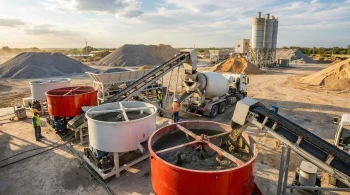
Large Cement Mixers: Robust machines like the JZC500 and JZC1000 for high-volume concrete production.
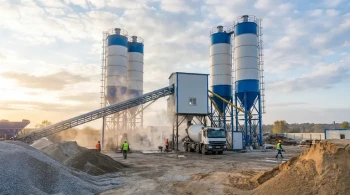
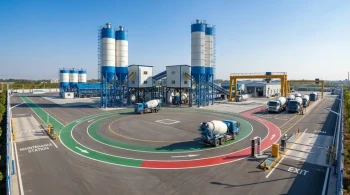
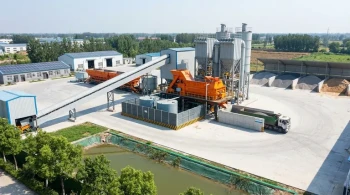
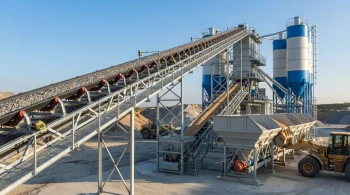
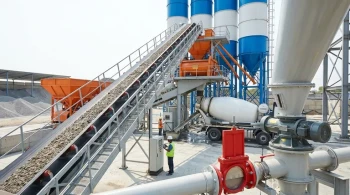
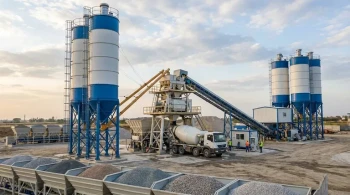
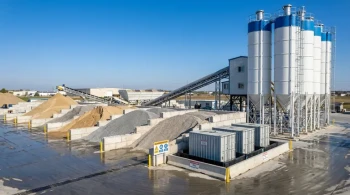
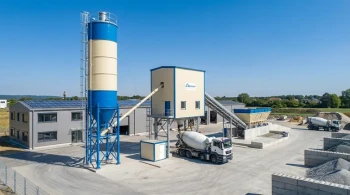
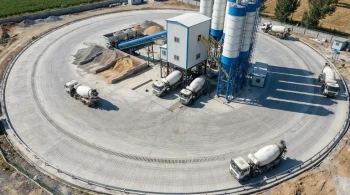
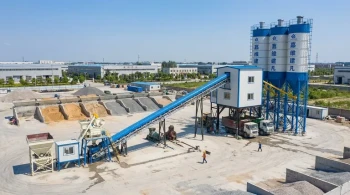
Concrete Batching Plants: Advanced systems like HZS25 and HZS75 for precise and automated mixing.
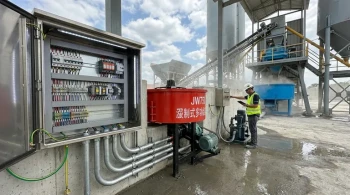
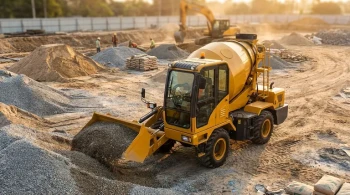
Mobile Mixers: Versatile options like the JW1000 for on-site mixing in building, road, and hydropower projects.
Each product is designed for durability, efficiency, and ease of use, catering to diverse construction needs.
Our mud mixers and cement mixers are engineered to deliver superior performance, reliability, and efficiency for all types of concrete mixing applications. Here’s what sets our products apart:
Key Features
Advanced Mixing Technology:
Our mixers utilize high-efficiency rotating drums and mixing paddles to ensure uniform blending of cement, sand, and aggregates.
Options include electric, gasoline, and hydraulic-powered mechanisms to suit different project requirements.
Durability and Robust Construction:
Built with heavy-duty steel frames and corrosion-resistant materials to withstand harsh construction environments.
Reinforced drums and blades for long-lasting performance under heavy loads.
Versatility for Various Projects:
Small Portable Mixers: Ideal for DIY projects, home renovations, and small construction sites.
Large Industrial Mixers: Designed for high-volume concrete production in commercial and infrastructure projects.
Batching Plants: Automated systems for precise measurement and mixing, perfect for large-scale construction.
Ease of Use and Mobility:
Portable designs with wheels or trailers for easy transportation between job sites.
User-friendly controls and ergonomic features to reduce operator fatigue.
Energy Efficiency and Eco-Friendliness:
Electric and hybrid models reduce fuel consumption and emissions.
Optimized motor systems for lower energy usage without compromising performance.
Applications
Our mixers are suitable for:
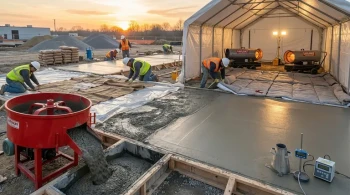
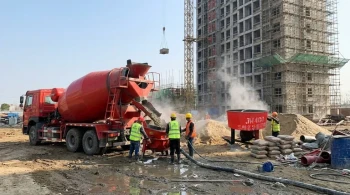
Construction Projects: Foundations, slabs, walls, and high-rise buildings.
Road and Bridge Construction: Reliable mixing for highways, overpasses, and tunnels.
Hydropower and Dam Projects: Heavy-duty mixers for large-scale concrete pouring.
Precast Concrete Production: Uniform mixing for precast panels, pipes, and blocks.
Advantages Over Competitors
Higher Productivity: Faster mixing cycles and larger capacities to meet tight deadlines.
Customizable Options: Tailored solutions for specific project needs, including drum size, power source, and discharge mechanisms.
Global Standards Compliance: Certified for quality, safety, and environmental standards.
After-Sales Support: Comprehensive warranty and maintenance services to ensure long-term reliability.
Why Partner With Us?
We specialize in providing high-quality mixing solutions backed by decades of industry expertise. Whether you need a small portable mixer or a fully automated batching plant, we have the right equipment for your project.
Ready to enhance your construction efficiency?Contact our team today for a customized solution or to request a quote. Let’s build the future together with reliable, high-performance cement mixers!
FAQ
What Are The Main Applications Of Mud Mixer Cement Mixers?
Mud mixer cement mixers are used in a wide range of concrete and cement-based projects, including pouring foundations, constructing slabs, sidewalks, driveways, and large-scale construction projects.
What Are The Main Components Of A Cement Mixer?
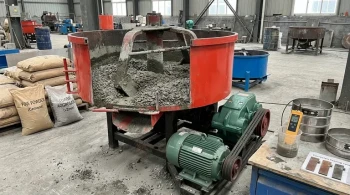
The primary components of a cement mixer include the rotating drum, mixing paddles or blades, motor, wheels, and frame. The rotating drum blends the ingredients, while the paddles or blades integrate the materials. The motor powers the drum's rotation, wheels provide maneuverability, and the frame holds all components together.
What Are The Advantages Of Using A Cement Mixer?
Cement mixers efficiently blend coarse materials for high-volume concrete production, making them ideal for projects where productivity is essential. They are reliable and ideal for general construction projects, offering sturdy construction and consistent mixing for small to medium-sized jobs.
What Types Of Cement Mixers Are Available?
There are various types of cement mixers, including portable electric mixers, large industrial mixers, mobile mixers, and volumetric mixers. Each type is designed for specific project needs, from small DIY tasks to large-scale construction projects.
How Does A Cement Mixer Work?
A cement mixer works by rotating a drum that contains the concrete ingredients. The rotation, powered by an electric motor, gasoline engine, or hydraulic system, ensures thorough mixing of cement, water, and aggregates to produce uniform concrete.
What Should I Consider When Choosing A Cement Mixer?
When choosing a cement mixer, consider the project size, required capacity, power source (electric, gasoline, or hydraulic), portability, and durability. For small projects, a portable electric mixer may suffice, while large-scale projects may require industrial-grade mixers.
Are Cement Mixers Suitable For DIY Projects?
Yes, smaller portable cement mixers are ideal for DIY projects such as home repairs, small slabs, or garden paths. They are easy to operate, maneuverable, and provide consistent mixing for small batches of concrete.
Can Cement Mixers Handle Different Types Of Concrete Mixes?
Yes, cement mixers can handle various concrete mixes, including standard concrete, mortar, and specialized mixes. The mixing paddles or blades ensure thorough integration of all materials for a uniform consistency.
What Maintenance Is Required For A Cement Mixer?
Regular maintenance includes cleaning the drum after use to prevent hardened concrete buildup, checking the motor or engine, lubricating moving parts, and inspecting the frame and wheels for wear and tear. Proper maintenance ensures longevity and consistent performance.
How Do I Ensure Safety When Using A Cement Mixer?
To ensure safety, always follow the manufacturer's instructions, wear protective gear (gloves, goggles), avoid overloading the mixer, keep hands clear of moving parts, and ensure the mixer is on a stable surface during operation.
This website uses cookies to enhance your browsing experience,
analyze site traffic, and serve better user experiences. By continuing to use this site, you consent to our use of
cookies. Learn more in our cookie policy.