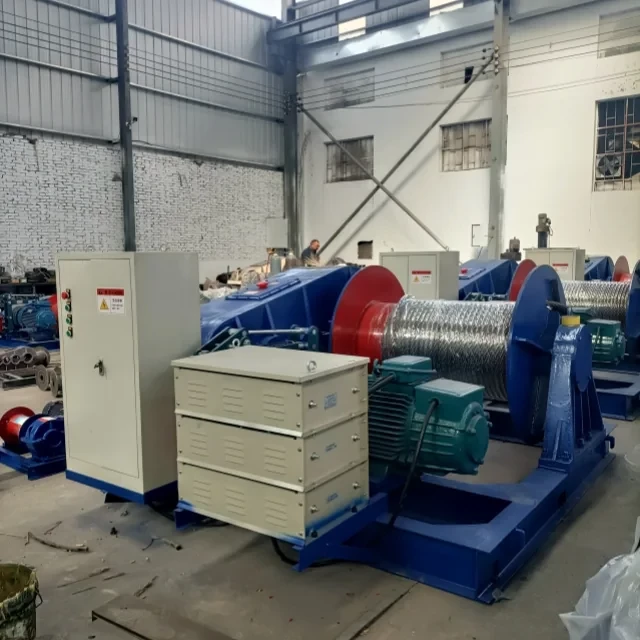
Selecting the ideal winch for your operations isn’t just about power—it’s about matching performance, durability, and cost to your specific needs. Whether you’re lifting heavy loads on a construction site or securing vessels in marine environments, understanding the differences between manual, electric, and hydraulic winches ensures long-term efficiency and safety. This guide cuts through the complexity with data-driven comparisons and real-world application insights.
Understanding Winch Types and Their Core Functions
Key Components and Operational Principles
Winches convert rotational force into linear motion, but their mechanisms vary significantly by type:
- Manual Winches: Operated by hand cranks, these rely on gear reduction for lifting or pulling. Ideal for lightweight, infrequent tasks (e.g., hauling equipment in small workshops).
- Electric Winches: Use electric motors for power, offering faster speeds (up to 16 meters/minute) and easier installation. Common in construction and automotive recovery.
- Hydraulic Winches: Driven by hydraulic systems, they excel in heavy-duty, continuous operations (e.g., marine towing) with consistent power and overheating resistance.
Ever wondered why hydraulic winches dominate offshore rigs? Their immunity to overheating and submersibility make them indispensable in harsh environments.
Primary Applications Across Industries
- Construction: Electric winches for material lifting (balance of speed and cost).
- Marine: Hydraulic winches for mooring and towing (durability and precise control).
- Mining/Utilities: Manual or air winches for confined spaces where power sources are limited.
Comparative Analysis: Choosing the Right Winch for Your Needs
Performance Metrics: Power, Load Capacity, and Durability
| Winch Type | Load Capacity | Speed | Durability |
|---|---|---|---|
| Hydraulic | Highest (50+ tons) | Moderate | Excellent (marine-grade materials) |
| Electric | Medium (5–20 tons) | Fast (16 m/min) | Good (needs cooling intervals) |
| Manual | Low ( | Slow | Moderate (gears wear over time) |
Key Insight: Hydraulic systems outperform electric in continuous duty cycles, but electric winches lead in speed and ease of maintenance.
Environmental Considerations
- Corrosion Resistance: Hydraulic winches often use stainless steel components, critical for saltwater exposure.
- Temperature Tolerance: Electric winches may falter in extreme heat; hydraulic systems maintain performance.
Cost-Benefit Breakdown
-
Initial Costs:
- Electric: $1,000–$5,000 (lower upfront, but may need cooling systems).
- Hydraulic: $5,000–$20,000 (higher due to need for hydraulic power units).
-
Long-Term Value:
- Hydraulic winches last 2–3× longer in harsh conditions, reducing replacement frequency.
- Electric winches save on maintenance (no oil changes or complex part replacements).
Did you know? Over 10 years, a hydraulic winch’s total cost of ownership can be 30% lower than electric in marine settings due to longevity.
Conclusion: Matching Your Winch to Real-World Demands
- For Heavy-Duty/Marine: Prioritize hydraulic winches for power and reliability.
- For Speed/Construction: Electric winches offer the best balance.
- For Budget/Light Use: Manual winches suffice for sporadic tasks.
Pro Tip: Garlway’s winch solutions integrate industry-leading durability with customizable features, ensuring optimal performance whether you’re on land or at sea. Assess your operational demands—load, environment, and frequency—before investing.
By aligning your choice with these metrics, you’ll avoid costly mismatches and maximize efficiency. Ready to find your perfect winch? Explore options designed for your sector’s toughest challenges.
Related Products
- Warn Winch Windlass Boat Trailer Winch
- Electric and Hydraulic Winch for Heavy Duty Applications
- Small Electric Winch 120V and 240V for Compact Applications
- 12000 lb Electric Boat Trailer Winch with Windlass Anchor Warn
- Quick Windlass Portable Winch for Truck and Boat Best Boat Winch
Related Articles
- Beyond the Bumper: The Critical System Choice in Powering Your Trailer Winch
- Force vs. Mass: The Critical Difference in Sizing a Boat Winch
- Lines of Force: The Unseen Geometry of a Boat Winch
- More Than a Number: The Engineering Psychology of Choosing a Boat Winch
- How to Choose and Optimize Winch Speed for Maximum Efficiency





