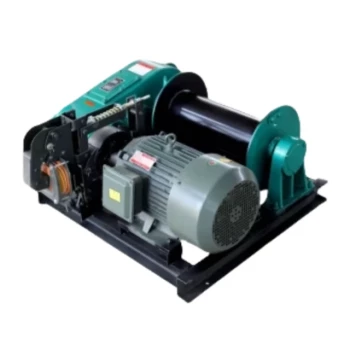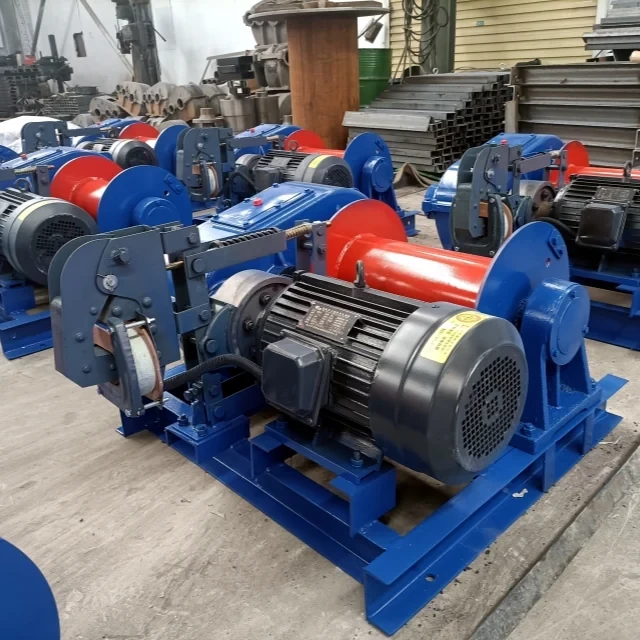
Winching is more than just pulling a vehicle free—it's about physics, preparation, and precision. Before engaging your winch, assess these core principles:
The 3 Pillars of Effective Winching
- Anchor Strength: Your anchor point (tree, rock, or another vehicle) must withstand 1.5x the load.
- Line Angle: A straight pull is ideal; angles greater than 30° increase strain on the winch.
- Controlled Tension: Use a snatch block to reduce winch load and maintain steady pressure.
Ever wondered why some recoveries fail despite a powerful winch? Often, it’s due to overlooked anchor integrity.
Self-Recovery: Techniques and Anchor Point Selection
When you’re stuck solo, strategic anchor selection is your lifeline.
Step-by-Step Self-Recovery
- Locate a Secure Anchor:
- Trees: Use a tree trunk protector; avoid saplings.
- Rocks: Ensure they’re immovable and rig with a chafe guard.
- Rig the Winch Line:
- Attach a damper (e.g., heavy blanket) to the cable to absorb recoil energy.
- Keep spectators 1.5x the line length away.
- Apply Gradual Power:
- Engage the winch in short bursts to prevent overheating.
Pro Tip: In muddy terrain, lay traction mats under tires to reduce winch strain.
Assisting Others: Positioning and Load Management
Helping another vehicle requires coordination to avoid double jeopardy.
Key Protocols for Assisted Recovery
- Positioning: Park at a 30° angle to the stuck vehicle to create a stable pivot point.
- Load Distribution:
- Use a bridle to evenly distribute force if multiple anchors are needed.
- Monitor winch temperature—overworking can damage the motor.
Visualize the winch cable as a live wire: sudden movements or slack can be dangerous.
Practical Considerations for Safe Winching
Essential Equipment for Different Scenarios
- Winch Accessories:
- Snatch blocks (for redirecting pulls)
- Gloves and eye protection (non-negotiable)
- Recovery straps (for vehicles without winches)
- Terrain-Specific Gear:
- Sand: Use wide base plates to prevent anchor sinking.
- Snow: Add a pulley system to minimize resistance.
Risk Mitigation and Emergency Protocols
- Pre-Winch Checklist:
- Inspect the cable for frays.
- Confirm the brake is engaged on both vehicles.
- If Something Goes Wrong:
- Winch failure: Apply the vehicle’s parking brake and reassess.
- Anchor slippage: Abort immediately and reposition.
Conclusion: Winching with Confidence
Mastering winching isn’t about brute strength—it’s about smart preparation and respecting the limits of your equipment. Whether you rely on Garlway winches or other trusted tools, prioritize these takeaways:
- Anchor wisely: Your recovery is only as strong as your anchor point.
- Rig for safety: Dampers and snatch blocks are your allies.
- Stay vigilant: Monitor equipment and terrain continuously.
Next time you’re off-road, remember: the difference between a smooth recovery and a disaster often comes down to technique. Ready to put these methods to the test?
(Note: Always consult your winch manual and practice in controlled environments before tackling extreme scenarios.)
Related Products
- Warn Winch Windlass Boat Trailer Winch
- Electric and Hydraulic Winch for Heavy Duty Applications
- Small Electric Winch 120V and 240V for Compact Applications
- 12000 lb Electric Boat Trailer Winch with Windlass Anchor Warn
- Quick Windlass Portable Winch for Truck and Boat Best Boat Winch
Related Articles
- Beyond the Bumper: The Critical System Choice in Powering Your Trailer Winch
- Force vs. Mass: The Critical Difference in Sizing a Boat Winch
- Lines of Force: The Unseen Geometry of a Boat Winch
- More Than a Number: The Engineering Psychology of Choosing a Boat Winch
- How to Choose and Optimize Winch Speed for Maximum Efficiency