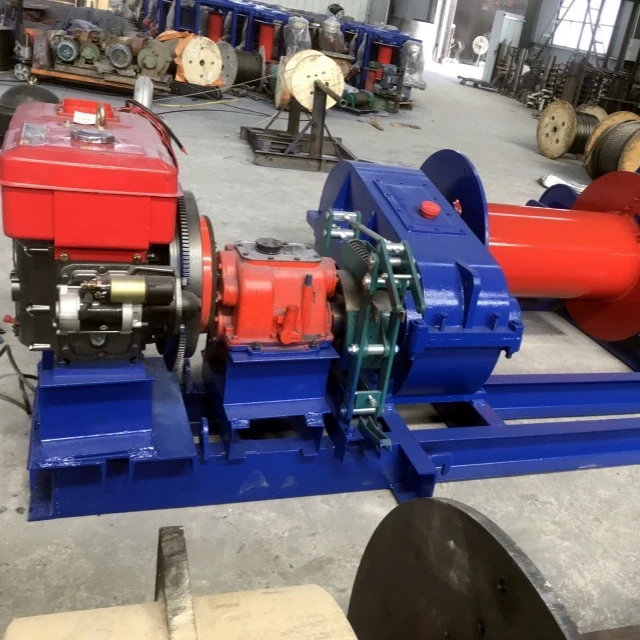
Whether you're recovering a stuck vehicle or lifting heavy materials on a construction site, selecting the right winch can mean the difference between efficiency and costly failures. This guide breaks down winch mechanics, key selection criteria, and real-world applications to help you match the perfect system to your needs.
How Winches Work: Mechanics and Key Components
Winches convert rotational power into linear force, pulling or lifting loads through a spooling drum and cable system. But not all winches operate the same way—their performance hinges on two critical elements:
The Role of Drum Design in Load Management
A winch drum’s diameter and width determine cable capacity and load distribution. Larger drums reduce cable fatigue by minimizing tight coiling, while grooved designs prevent line slippage under heavy stress.
Did you know?
A drum too narrow for its cable can cause uneven spooling, leading to premature wear.
Power Source Breakdown: Electric, Hydraulic, and Gasoline
-
Electric Winches
- Pros: Easy installation, compact size, and precise control (ideal for off-road recovery).
- Cons: Limited continuous use; batteries drain quickly under heavy loads.
-
Hydraulic Winches
- Pros: Unmatched durability in harsh environments (e.g., marine or construction sites). Consistent power without overheating.
- Cons: Require existing hydraulic systems; higher upfront cost.
-
Gasoline Winches
- Pros: High torque and portability for remote jobs.
- Cons: Noisy, emit fumes, and need frequent refueling.
Question to consider:
Does your task demand short bursts of power (electric) or sustained heavy lifting (hydraulic)?
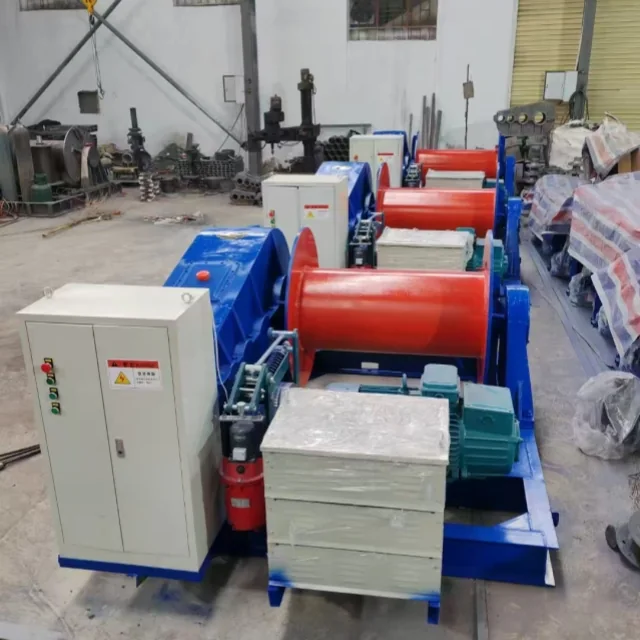
Choosing the Right Winch for Your Task
Load Capacity: Dynamic vs. Static Loads
- Static Load Rating: The weight the winch can hold stationary (e.g., suspending a load mid-air).
- Dynamic Load Rating: The capacity while pulling (typically 20–30% lower than static).
Safety Tip: Always choose a winch with a dynamic rating at least 1.5x your maximum expected load.
Environmental Factors
- Corrosion Resistance: Marine-grade aluminum or stainless steel suits salty or wet conditions.
- Terrain Challenges: Mud and debris demand sealed motors (common in Garlway’s off-road models).
Metaphor Alert:
Picking a winch without environmental checks is like wearing dress shoes on a hiking trail—it might work, but not for long.
Real-World Applications and Safety Best Practices
Off-Road Recovery: Why Electric Winches Dominate
Electric winches dominate here due to:
- Quick setup during emergencies.
- Lightweight design (critical for vehicle-mounted use).
Pro Tip: Pair with a snatch block to double pulling power without overloading the system.
Industrial Uses: Hydraulic Systems in Construction
Hydraulic winches excel in:
- Tower Cranes: Their consistent power lifts multi-ton materials safely.
- Bridge Building: Corrosion-resistant models withstand water exposure.
Safety Standards to Follow:
- Use winches with load monitors and emergency stops (standard in Garlway’s industrial line).
- Inspect cables for fraying before each operation.
Conclusion: Match Your Winch to the Mission
- Prioritize Load and Environment: Heavy industrial tasks? Go hydraulic. Off-road? Electric wins.
- Safety First: Over-spec capacity and inspect gear regularly.
- Think Long-Term: Invest in durable designs (like corrosion-resistant materials) to reduce downtime.
Final Thought:
The right winch isn’t just a tool—it’s a force multiplier. Whether it’s a Garlway winch powering a construction site or rescuing an adventure gone awry, smart selection ensures reliability when it matters most.
Related Products
- Warn Winch Windlass Boat Trailer Winch
- Electric and Hydraulic Winch for Heavy Duty Applications
- Small Electric Winch 120V and 240V for Compact Applications
- 12000 lb Electric Boat Trailer Winch with Windlass Anchor Warn
- Quick Windlass Portable Winch for Truck and Boat Best Boat Winch
Related Articles
- Beyond the Bumper: The Critical System Choice in Powering Your Trailer Winch
- Force vs. Mass: The Critical Difference in Sizing a Boat Winch
- Lines of Force: The Unseen Geometry of a Boat Winch
- More Than a Number: The Engineering Psychology of Choosing a Boat Winch
- How to Choose and Optimize Winch Speed for Maximum Efficiency





