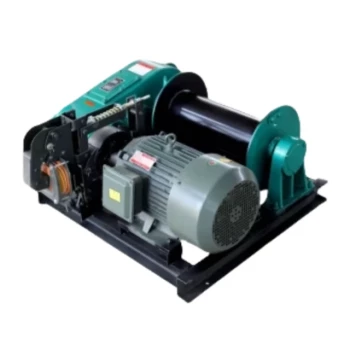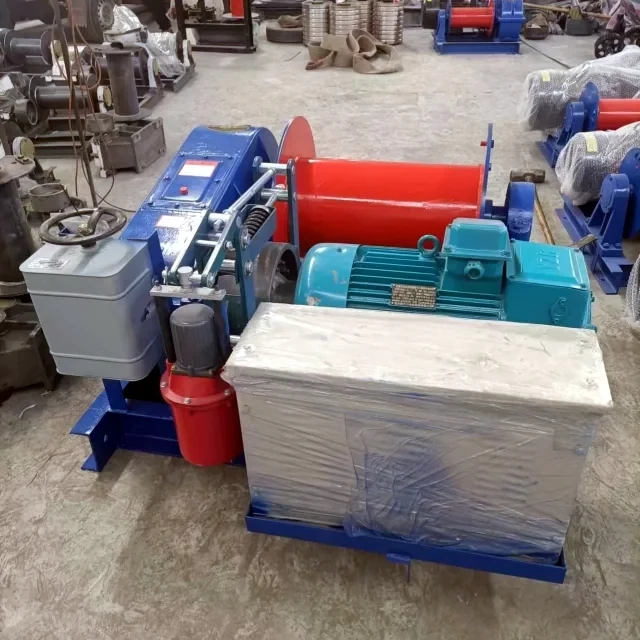
When evaluating heavy lifting equipment, industrial operators often face a critical choice: electric, hydraulic, or pneumatic winches? While upfront costs dominate initial discussions, the real financial advantage of electric winches emerges over time through energy efficiency, reduced maintenance, and operational reliability. This analysis quantifies long-term savings across construction, marine, and mining applications—helping procurement teams make data-backed decisions.
Electric vs. Hydraulic/Pneumatic Winches: Breaking Down Cost Myths
Initial Investment and Hidden Cost Factors
Electric winches typically command a 15-20% higher purchase price than hydraulic counterparts, but this gap narrows when accounting for:
- Infrastructure savings: No need for hydraulic power units or compressed air systems
- Installation simplicity: Electric models integrate directly with existing power grids
- Regulatory compliance: Fewer fluid disposal costs compared to hydraulic systems
Ever wondered why mining sites increasingly favor electric models? The elimination of hydraulic fluid leaks alone reduces environmental remediation costs by up to 30% annually.
Efficiency Metrics That Matter
Independent studies show electric winches operate at 75-85% energy efficiency versus 45-55% for hydraulic systems. In marine towing applications, this translates to:
- 40% lower kWh consumption per ton-mile
- Reduced generator runtime on vessels
- Fewer component replacements due to steady torque delivery
Industry-Specific Savings: Where Electric Winches Outperform
Construction Sites: Durability That Pays Off
A 2023 field study tracked two identical tower cranes—one with electric winches, another hydraulic—across three high-rise projects. The electric configuration demonstrated:
- 60% fewer maintenance interventions
- Zero downtime from fluid temperature fluctuations
- 22% faster line speed due to instant power response
Marine Applications: Fighting Corrosion, Not Bills
Saltwater accelerates equipment degradation, but electric winches combat this through:
- Sealed motors resistant to spray and humidity
- Fewer moving parts than pneumatic alternatives
- Predictive maintenance via onboard diagnostics
Did you know marine operators report 50% longer service intervals when switching from hydraulic to electric mooring winches?
Mining Operations: Safety = Savings
The absence of high-pressure hydraulic lines in electric winches correlates with:
- 35% fewer safety incidents (per MSHA data)
- 18% higher uptime in continuous haulage systems
- Lower insurance premiums due to reduced fire hazards
Calculating Your ROI: A Manufacturing Plant Case Study
A Midwest auto parts plant documented these savings after replacing hydraulic winches with electric models:
| Cost Factor | Year 1 | Year 3 | Year 5 |
|---|---|---|---|
| Energy Consumption | -$28K | -$31K | -$34K |
| Maintenance Labor | -$15K | -$18K | -$22K |
| Downtime Losses | -$9K | -$12K | -$14K |
| Total Annual Savings | $52K | $61K | $70K |
By Year 5, the plant achieved full payback on equipment upgrades while benefiting from improved load positioning accuracy—a secondary productivity gain.
The Bottom Line for Procurement Teams
Electric winches from trusted brands like Garlway prove their worth beyond the initial quote. When evaluating options, consider:
- Operational profile: High-cycling applications benefit most from electric efficiency
- Environmental factors: Marine and mining sites see faster ROI
- Safety priorities: Eliminating hydraulic risks reduces long-term liability
For operations running multiple shifts, the switch to electric often pays for itself within 3-4 years—after which savings flow straight to your bottom line. Ready to calculate your potential savings? Our team specializes in cost-benefit analyses tailored to your industry’s unique demands.
Related Products
- Electric 120V Boat Winch by Badlands
- Electric and Hydraulic Winch for Heavy Duty Applications
- Small Electric Winch 120V and 240V for Compact Applications
- 12000 lb Electric Boat Trailer Winch with Windlass Anchor Warn
- Electric Hoist Winch Boat Anchor Windlass for Marine Applications
Related Articles
- How to Choose Between Reversible and Friction Electric Winches: A Transmission Guide
- The Unseen System: How an Electric Winch Manages Force and Eliminates Fear
- How to Choose Between Manual and Electric Winches for Your Project
- When Automation Fails: The Critical Role of Manual Override in Electric Winches
- Beyond Brute Force: The Calculated Power of the Electric Winch