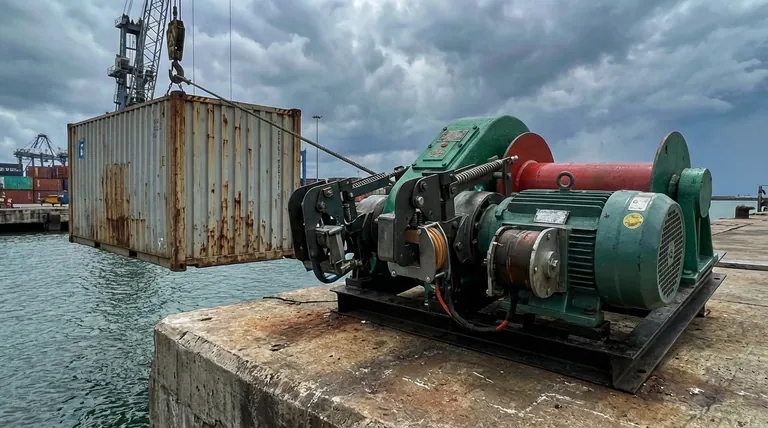
When heavy loads hang precariously from cranes or industrial winches, the braking system becomes the last line of defense against catastrophic failures. Electrically driven winch brakes combine precision engineering with fail-safe mechanisms to protect both equipment and personnel—but how do they achieve this reliability, and what maintenance keeps them operational?
Electrically Driven Winch Brake Mechanisms
Weight Brake Engagement and Electromagnetic Release
Unlike traditional hydraulic brakes, electrically driven systems use gravity and electromagnetism in a carefully balanced dance. Here’s how it works:
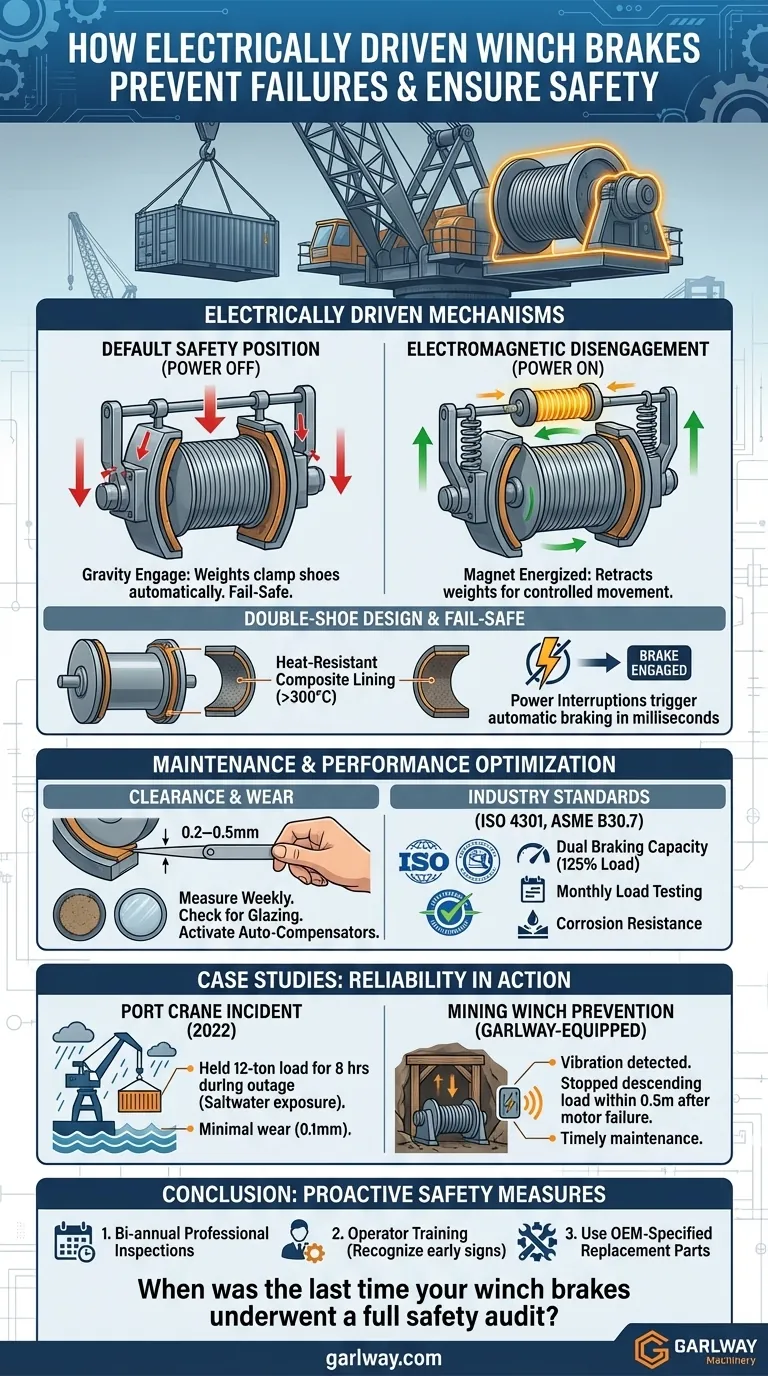
- Default Safety Position: Brake shoes engage automatically via weighted levers, ensuring immediate stopping power if power fails.
- Electromagnetic Disengagement: When energized, an electromagnet retracts the weights, freeing the brake drum for controlled movement.
This dual-action design eliminates reliance on continuous power, a critical feature for emergency scenarios.
Double-Shoe Brake Design for High Torque Demands
Heavy loads demand distributed braking force. Industrial winches often use:
- Two opposing brake shoes that clamp the drum symmetrically, reducing uneven wear
- Heat-resistant composite linings (often containing ceramics or metallic fibers) to withstand friction temperatures exceeding 300°C
Ever wondered why some brakes squeal under load? It’s often due to uneven shoe contact—a problem mitigated by precision-aligned double-shoe systems.
Fail-Safe Functionality During Power Interruptions
Power outages or electrical faults trigger automatic braking within milliseconds. Key components ensure reliability:
- Spring-Loaded Weights: Pull brake shoes into position without external energy input
- Auxiliary Power Cutoff Sensors: Detect voltage drops and initiate braking before full power loss occurs
Imagine a crane hoisting construction materials when a storm knocks out power—the fail-safe brake acts like an automatic parachute for the load.
Maintenance and Performance Optimization
Adjusting Brake Clearance and Wear Compensation
Brake efficiency degrades as linings wear down. Maintenance teams should:
- Measure clearance weekly using feeler gauges (0.2–0.5mm is typical for industrial winches)
- Activate auto-compensators (if equipped) to maintain consistent shoe-to-drum distance
- Check for glazing—shiny, hardened lining surfaces reduce friction and require resurfacing
Pro Tip: Uneven wear patterns often indicate misaligned drums or contaminated linings (oil, grease, or dust).
Industry Standards for Brake System Safety
Globally recognized certifications like ISO 4301 and ASME B30.7 mandate:
- Dual braking capacity: Systems must hold 125% of rated load without movement
- Monthly load testing: Verify brake holding torque with calibrated weights
- Corrosion resistance: Marine-grade stainless steel components for outdoor winches
Did you know? Regular testing isn’t just compliance—it prevents "stiction," where brakes stick due to inactivity.
Case Studies: Brake Reliability in Crane Operations
Port Loading Crane Incident (2022)
After a coastal storm flooded control panels, an electrically driven winch brake:
- Engaged automatically despite saltwater corrosion on electrical contacts
- Held a 12-ton shipping container for 8 hours until repairs concluded
- Post-incident inspection revealed only 0.1mm lining wear
Mining Winch Failure Prevention
A Garlway-equipped mine winch averted disaster when:
- Vibration sensors detected abnormal drum oscillation
- Maintenance logs showed timely clearance adjustments 3 days prior
- The brake stopped a descending load within 0.5 meters after a motor failure
These real-world examples highlight why proper maintenance isn’t optional—it’s what separates near-misses from headlines.
Conclusion: Safety Through Proactive Measures
Electrically driven winch brakes merge intelligent design with uncompromising safety protocols. To ensure long-term reliability:
- Schedule bi-annual professional inspections beyond routine checks
- Train operators to recognize early warning signs (unusual noises, slower stopping response)
- Use OEM-specified replacement parts to maintain engineered performance
For operations relying on Garlway winch systems, integrating these practices ensures brakes function not just as components, but as dependable guardians against operational risks.
When was the last time your winch brakes underwent a full safety audit?
Visual Guide
Related Products
- Electric 120V Boat Winch by Badlands
- Electric and Hydraulic Winch for Heavy Duty Applications
- Small Electric Winch 120V and 240V for Compact Applications
- Electric Hoist Winch Boat Anchor Windlass for Marine Applications
- Heavy Duty Electric Boat Winch Windlass Anchor
Related Articles
- How to Choose Between Reversible and Friction Electric Winches: A Transmission Guide
- The Unseen System: How an Electric Winch Manages Force and Eliminates Fear
- How to Choose Between Manual and Electric Winches for Your Project
- When Automation Fails: The Critical Role of Manual Override in Electric Winches
- Beyond Brute Force: The Calculated Power of the Electric Winch


