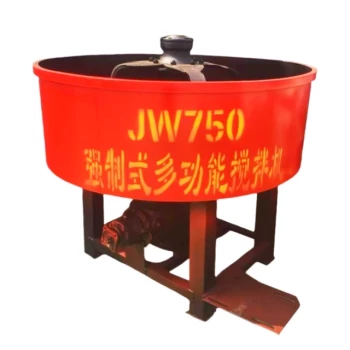
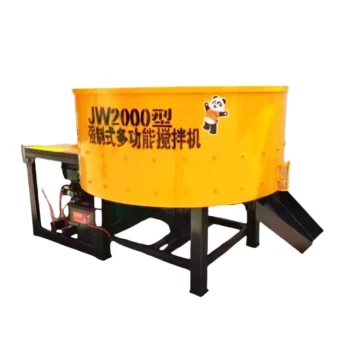
Cleaning a concrete mixer after every use is non-negotiable. It is the single most important maintenance task for preserving the machine's lifespan, ensuring its operational efficiency, and guaranteeing the quality of every future batch of concrete you produce.
Neglecting to clean a mixer is not a shortcut; it's a direct path to equipment damage, inconsistent results, and costly repairs. Proper cleaning is a fundamental part of the concrete mixing process itself, not an optional step.
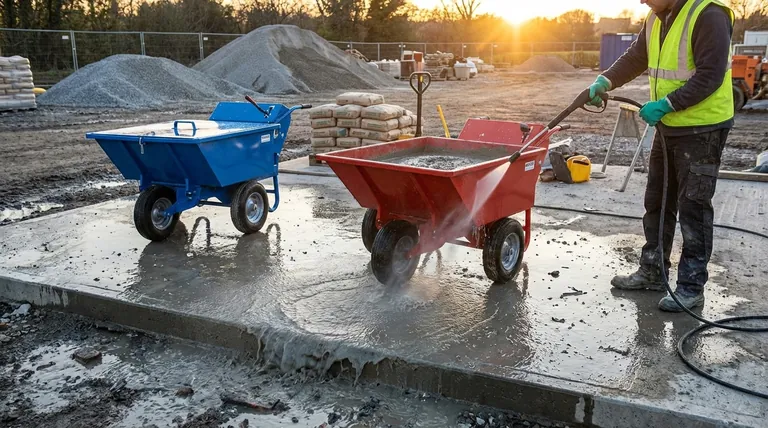
The Core Reasons for Immediate Cleaning
Understanding why prompt cleaning is critical helps reinforce the habit. The process is straightforward, but the consequences of skipping it are severe, as concrete begins to set and harden almost immediately.
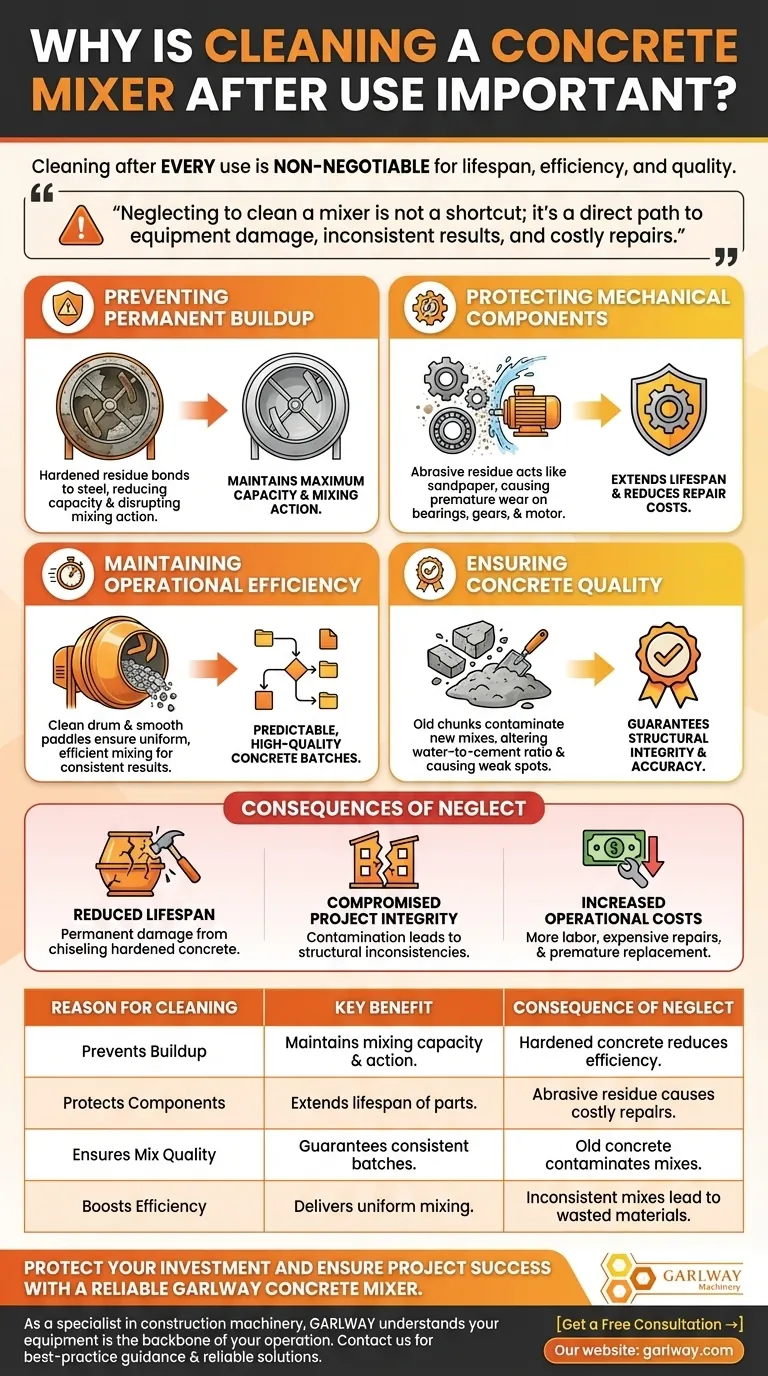
Preventing Permanent Buildup
As soon as you finish pouring, the leftover concrete and mortar inside the drum begin to harden. Waiting even a short time allows this residue to bond to the steel, becoming incredibly difficult to remove.
This buildup reduces the mixer's effective capacity and creates an uneven surface that prevents proper mixing action in subsequent batches.
Protecting Mechanical Components
Concrete is an abrasive material. Residue that gets into bearings, gears, or the motor housing acts like sandpaper, causing premature wear and tear.
Cleaning removes these damaging particles, protecting the critical components that keep the mixer running smoothly and preventing expensive, premature deterioration.
Maintaining Operational Efficiency
A clean mixer drum with smooth paddles tumbles and combines aggregates, cement, and water uniformly and efficiently.
Hardened chunks of old concrete disrupt this process, leading to a poor, inconsistent mix. This can compromise the strength and integrity of the final product.
Ensuring Concrete Quality
Old, hardened bits of concrete can break off during a new mix, contaminating the batch. This is a form of cross-contamination that alters the precise water-to-cement ratio.
This contamination affects the accuracy of your mix and can lead to weak spots or structural inconsistencies in your final project, which is a significant quality control failure.
Understanding the Consequences of Neglect
Failing to clean the mixer introduces immediate and long-term problems that are far more difficult to solve than the cleaning process itself.
Reduced Mixer Lifespan
The primary consequence of neglect is permanent damage. Once concrete fully cures inside the drum, the only way to remove it is with hammers and chisels, which can dent, crack, or destroy the drum and paddles. This damage leads directly to a shorter equipment lifespan.
Compromised Project Integrity
Using a dirty mixer means you are never certain about the quality of your concrete. The risk of contamination from old residue means every batch is a gamble, potentially compromising the structural integrity of your work.
Increased Operational Costs
What begins as a time-saving shortcut quickly turns into a costly problem. You will spend more time and labor chipping away at hardened concrete than you ever would have spent on a simple rinse. Eventually, this neglect leads to expensive repair bills or the need for a complete replacement.
Integrating Cleaning into Your Workflow
The right approach depends on your priorities, but the principle remains the same: clean immediately after use.
- If your primary focus is equipment longevity: Make rinsing the mixer the very first step you take after pouring the last of a batch to prevent corrosive buildup and mechanical wear.
- If your primary focus is project quality: Ensure the drum is spotless to guarantee accurate batching and eliminate any risk of cross-contamination from old material.
- If your primary focus is operational efficiency: Keep the drum and paddles clean to maintain maximum mixing capacity and produce a consistent, predictable result every time.
Ultimately, treating your mixer with the same care as any other precision tool is essential for professional, reliable results.
Summary Table:
| Reason for Cleaning | Key Benefit | Consequence of Neglect |
|---|---|---|
| Prevents Buildup | Maintains mixing capacity and action. | Hardened concrete reduces efficiency and is difficult to remove. |
| Protects Components | Extends the lifespan of bearings and gears. | Abrasive residue causes premature wear and costly repairs. |
| Ensures Mix Quality | Guarantees consistent, uncontaminated batches. | Old concrete contaminates new mixes, compromising structural integrity. |
| Boosts Efficiency | Delivers uniform mixing for predictable results. | Inconsistent mixes lead to project delays and wasted materials. |
Protect your investment and ensure project success with a reliable GARLWAY concrete mixer.
As a specialist in construction machinery for companies and contractors worldwide, GARLWAY understands that your equipment is the backbone of your operation. Our durable concrete mixers are designed for performance, but proper maintenance is key to maximizing their value.
Let our experts help you choose the right mixer for your needs and provide best-practice guidance to keep it running like new. Contact us today to discuss how our solutions can enhance your productivity and protect your bottom line.
Visual Guide
Related Products
- Portable Concrete Mixer Machine Equipment for Mixing Concrete
- Construction Products Concrete Plant Machine Mixing Concrete Mixer
- Portable Electric Concrete Mixer Machine for Cement Mixing
- JZC400 Mobile Small Concrete Mixer Cement Mixer Machine
- Hydraulic Concrete Mixer Machine Cement Mixing Equipment for Mixture Concrete
People Also Ask
- Why is it necessary to use a portable concrete mixer? Gain Total Control & Efficiency
- How much concrete can you pour with a portable mixer? Find the Perfect Fit for Your Project
- What types of projects are portable concrete mixers suitable for? Ideal for DIY & Small-Scale Construction
- How much does a portable concrete mixer hold? A Guide to Choosing the Right Capacity
- What types of portable concrete mixers exist? Find the Perfect Mixer for Your Project