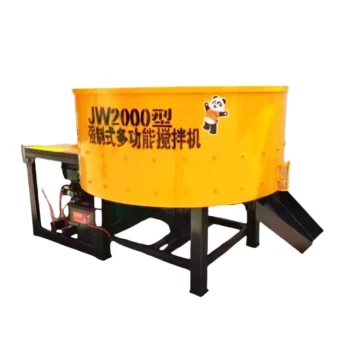
Your safety when operating a self-loading concrete mixer depends on a disciplined, three-part approach. It begins with essential personal protective equipment (PPE), requires constant situational awareness of the machine's moving parts, and is built upon a foundation of rigorous pre-operation inspections and adherence to manufacturer guidelines.
True operational safety is not a single action but a systematic process. It involves a complete cycle of pre-operation checks, vigilant conduct during operation, and proper post-operation procedures to ensure both personal well-being and equipment longevity.

The Foundation: Pre-Operation Checks
Before starting the engine, a thorough inspection is the most critical safety measure you can take. This proactive step identifies potential failures before they become active hazards.
Conduct a Thorough Visual Inspection
Walk around the entire machine. Look for any signs of wear, damage, or stress, paying close attention to loose bolts or cracked welds. Damaged hydraulic hoses are a significant risk and must be addressed immediately.
Verify All Fluid Levels
Ensure that hydraulic fluid, engine oil, coolant, and fuel are at their recommended levels. Low fluid levels can lead to mechanical failure during operation, causing unpredictable behavior from the machine.
Inspect Tires and Stability
Check tires for proper inflation and any visible damage. The machine's stability is paramount, so always plan to operate on firm, level ground.
Test All Controls and Indicators
From the operator's cabin, confirm that all controls, indicators, and safety features are functioning correctly before you begin loading materials. This includes testing the horn and lights.
Vigilance During Operation
Once the machine is running, your personal safety depends on your actions and awareness. The operational phase introduces the highest risk of acute injury.
Wear Essential Personal Protective Equipment (PPE)
Steel-toed boots protect against falling objects and crush hazards. Safety goggles are non-negotiable to shield your eyes from concrete splash or debris. Gloves protect your hands from abrasion and chemical contact with wet concrete.
Maintain a Safe Distance from Moving Parts
The rotating mixer drum and the hydraulic loading mechanism (hopper) are the primary danger zones. Never place your hands or any part of your body near these components while the machine is active. Ensure others on the job site are also aware of these pinch and crush points.
Know the Emergency Shutdown Procedures
Before you need it, you must know how to shut down all machine functions instantly. Familiarize yourself with the location and operation of every emergency stop button as specified in the manufacturer's manual.
Operate from the Designated Cabin
The operator's cabin is your primary safety shield. It is designed to protect you from moving parts and potential hazards. All functions should be controlled from within this protected space.
Common Pitfalls to Avoid
Even experienced operators can fall into dangerous habits. Acknowledging these common mistakes is key to maintaining a high standard of safety.
Rushing Pre-Operation Checks
Complacency is a significant risk. Never assume the mixer is in the same condition as the last time it was used. A complete pre-operation check is mandatory every single time.
Underestimating the Loading Mechanism
The hydraulic hopper is powerful and can move unexpectedly. Treat it with the same caution as the mixing drum, ensuring no one is near it during the loading cycle.
Neglecting the Manufacturer's Manual
Your equipment's manual is the definitive guide for safe operation. It contains specific warnings, maintenance schedules, and procedures that are critical for your machine's model. Always adhere to these guidelines.
Making the Right Choice for Your Safety
Your approach to safety should be intentional and methodical. Your role determines where your focus should lie.
- If you are the primary operator: Make the pre-operation checklist a non-negotiable daily habit that you perform without fail.
- If you are a site supervisor: Your duty is to foster a culture where safety is prioritized over speed, ensuring operators have the time and support to follow all procedures correctly.
- If you are new to this equipment: Your first step is to read the manufacturer's manual thoroughly and seek hands-on training from an experienced professional.
Consistent and disciplined safety practices are the mark of a true professional.
Summary Table:
| Safety Phase | Key Measures |
|---|---|
| Pre-Operation | Visual inspection, fluid level check, tire/stability check, control testing |
| During Operation | Wear full PPE (boots, goggles, gloves), maintain distance from moving parts, know emergency stops |
| Common Pitfalls | Rushing checks, underestimating the loading mechanism, neglecting the manual |
Ensure your job site's safety and efficiency with GARLWAY machinery. As a specialist in construction equipment, we provide robust and reliable self-loading concrete mixers designed with operator safety as a top priority. Our machines help construction companies and contractors globally complete projects safely and on schedule. Contact our experts today to find the perfect mixer for your needs and get professional guidance on safe operation practices.
Visual Guide

Related Products
- Skid Steer Self Loading Concrete Mixers for Construction
- Belle Mixer Drum Self Loading Mortar Mixers JS3000
- Portable Cement Mixer with Lift Concrete Machine
- Portable Concrete Mixer Machine Equipment for Mixing Concrete
- Portable Ready Mix Concrete Mixer Equipment
People Also Ask
- How does the control system improve production efficiency in a self loading concrete mixer? Automate Mixing for Speed & Quality
- What is the purpose of keeping the drum rotating during transportation in a self loading concrete mixer? Ensure Quality & Consistency
- How does the weighing process work in a self loading concrete mixer? Achieve Precise, On-Site Concrete Batching
- What components are involved in the loading process of a self loading concrete mixer? A Guide to the Key Systems
- How should materials be loaded into a self-loading concrete mixer? Master the Step-by-Step Process