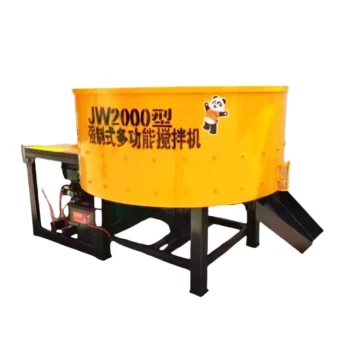
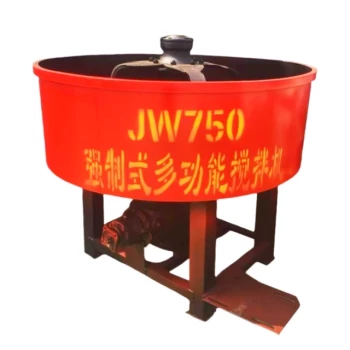
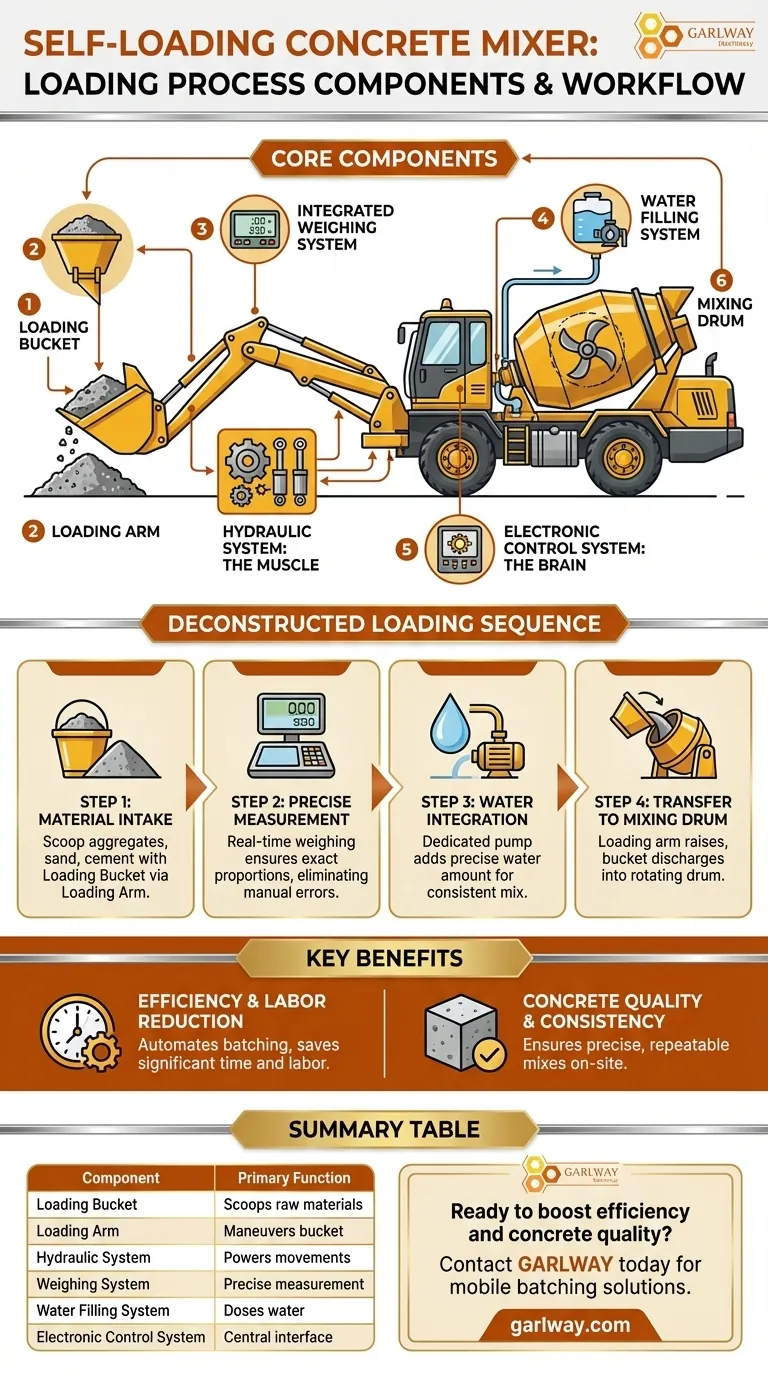
The core components involved in the loading process of a self-loading concrete mixer are the loading bucket, the loading arm, the hydraulic system that powers them, and an integrated weighing system for accurate measurement. These components work in a coordinated sequence with the water filling system and a central electronic control system to load all raw materials directly into the mixing drum.
A self-loading mixer is best understood not as a truck with a bucket, but as a mobile, automated batching plant. Its value comes from the precise integration of mechanical, hydraulic, and electronic systems that automate the entire concrete loading and proportioning process.
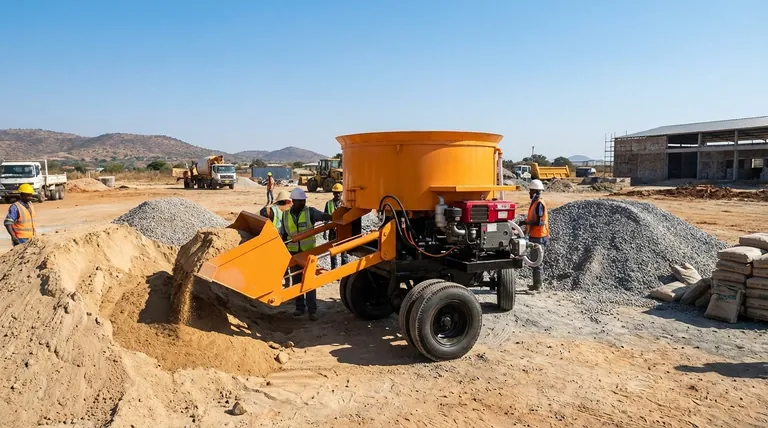
Deconstructing the Loading Sequence
To truly understand the components, it's essential to see them in the context of the operational workflow. The loading process is a deliberate sequence where each part plays a critical role.
Step 1: Material Intake
The process begins by positioning the mixer on stable ground near the material piles. The operator uses controls in the cabin to maneuver the loading arm.
Attached to this arm is the loading bucket (often called a hydraulic hopper), which scoops the required aggregates, sand, and cement.
Step 2: Precise Measurement
This is the most critical step for concrete quality. As the bucket lifts the materials, the integrated weighing system measures the contents in real-time.
This system ensures that the proportions of each material are exact, eliminating the guesswork and potential for error common in manual batching.
Step 3: Water Integration
Simultaneously or sequentially, the water filling system is activated. A dedicated pump draws water from onboard tanks or an external source.
The amount of water is precisely controlled by a dosing system, ensuring the correct water-to-cement ratio for consistent mix strength and workability.
Step 4: Transfer to the Mixing Drum
Once the correct weight of dry materials is confirmed, the operator raises the loading arm fully. The loading bucket then tips to discharge its contents directly into the mouth of the mixing drum.
The drum is already rotating at a controlled speed, and its internal mixing blades immediately begin to blend the ingredients as they are added.
The Systems Behind the Action
While the arm and bucket are the most visible components, two background systems are essential for the entire process to function.
The Hydraulic System: The Muscle
The heavy lifting of the loading arm and the tilting of the bucket are powered by the mixer's hydraulic system. This system uses pressurized fluid to drive the mechanical components with significant force and precision.
The Electronic Control System: The Brain
All of these actions are managed by the operator from the cabin via an electronic control system. This central interface allows the operator to control the bucket, monitor the weighing system, and manage the water pump, coordinating all functions seamlessly.
Key Benefits and Considerations
Understanding the components reveals why this technology is so effective, but it also highlights important operational requirements.
The Advantage of Automation
The primary benefit is efficiency. This integrated system automates the batching process, which saves significant time and labor compared to traditional methods that require separate loaders and manual measurement.
This automation also leads to a higher degree of accuracy, ensuring consistent and reliable mixing proportions for every batch.
Operational Requirements
The effectiveness of the loading process depends on proper setup. The mixer must be placed on firm, stable ground to operate the loading arm safely and ensure the weighing system remains accurate.
Proper pre-operation checks are also crucial to verify that the hydraulic, weighing, and water systems are all functioning correctly before beginning a job.
How to Apply This Understanding
Your focus should shift from the individual parts to the capability they create together.
- If your primary focus is efficiency and labor reduction: Recognize that the self-loading mechanism consolidates the role of a wheel loader and a batching plant operator into a single machine and process.
- If your primary focus is concrete quality and consistency: Value the integrated weighing and water dosing systems as your guarantee of producing precise, repeatable mixes on-site, every time.
Ultimately, understanding how these components interact transforms the view of a self-loading mixer from a simple machine into a sophisticated, mobile production tool.
Summary Table:
| Component | Primary Function |
|---|---|
| Loading Bucket | Scoops and holds raw materials (aggregates, sand, cement). |
| Loading Arm | Maneuvers the bucket to and from material piles and the drum. |
| Hydraulic System | Provides the power for lifting, tilting, and all mechanical movements. |
| Weighing System | Precisely measures material weight for accurate batching. |
| Water Filling System | Doses and adds the correct amount of water for the mix. |
| Electronic Control System | The central interface for the operator to coordinate all functions. |
Ready to boost your project's efficiency and concrete quality?
GARLWAY specializes in construction machinery, offering robust and reliable self-loading concrete mixers for construction companies and contractors globally. Our machines integrate the precise components discussed here to automate your batching process, saving you time, labor, and ensuring mix consistency.
Contact GARLWAY today to discuss how a self-loading mixer can be your mobile batching plant solution!
Visual Guide
Related Products
- Skid Steer Self Loading Concrete Mixers for Construction
- Belle Mixer Drum Self Loading Mortar Mixers JS3000
- Portable Cement Mixer with Lift Concrete Machine
- Portable Concrete Mixer Machine Equipment for Mixing Concrete
- JW1000 Mobile Cement Mixer Concrete Mixer Truck and Batching Plant
People Also Ask
- How does the control system improve production efficiency in a self loading concrete mixer? Automate Mixing for Speed & Quality
- What is the purpose of keeping the drum rotating during transportation in a self loading concrete mixer? Ensure Quality & Consistency
- How does the weighing process work in a self loading concrete mixer? Achieve Precise, On-Site Concrete Batching
- How should materials be loaded into a self-loading concrete mixer? Master the Step-by-Step Process
- How are materials lifted into the mixing drum in a self loading concrete mixer? See the Automated Process