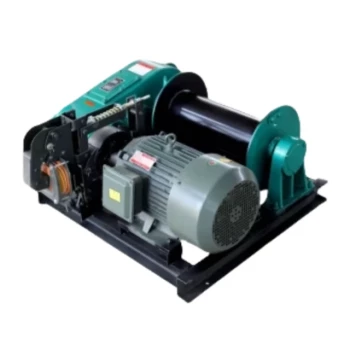
Yes, investing in a winch for a trailer is almost always a worthwhile decision if you frequently load heavy, awkward, or non-operational items like vehicles or boats. It fundamentally transforms the loading process from a physically demanding and potentially risky task into a safe, controlled, and efficient one-person operation.
A trailer winch is less of a luxury and more of a critical tool for safety and efficiency. It replaces manual effort with mechanical control, drastically reducing the risk of injury, equipment damage, and the need for extra help during loading and unloading.
The Core Benefits of a Trailer Winch
Adding a winch to your trailer introduces a new level of capability and safety. It addresses the most common challenges associated with moving heavy objects onto a flat surface.
Enhancing Safety and Control
A winch provides a slow, steady, and predictable method for loading. This controlled pull minimizes the risk of accidents caused by a vehicle rolling unexpectedly or slipping, which is especially beneficial on wet or uneven surfaces.
By mechanizing the process, you prevent the potential for personal injury that comes with manually pushing or maneuvering heavy loads.
Enabling One-Person Operation
Perhaps the most significant benefit is the ability for a single person to safely load an object that would otherwise require two or three people. This convenience is invaluable, whether for personal projects or professional use.
Wireless remotes further enhance this, allowing you to have a clear line of sight and control the entire operation from a safe distance.
Handling Difficult and Disabled Loads
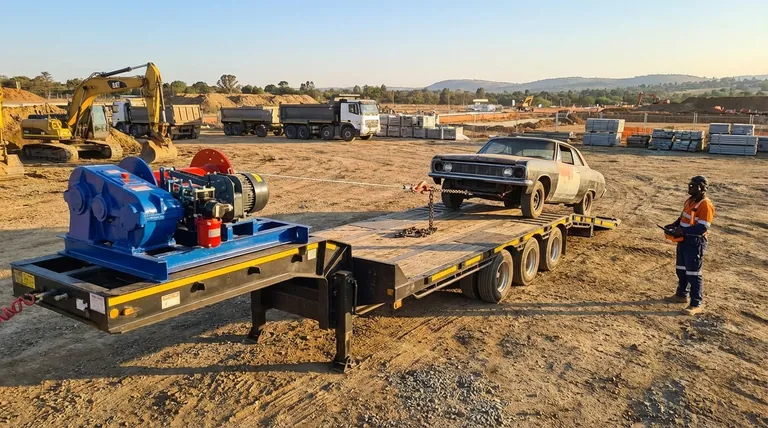
A winch is essential for loading vehicles that cannot move under their own power. This includes classic cars, project vehicles, or anything with a dead battery, engine trouble, or a locked drivetrain.
For operational vehicles, using a winch avoids unnecessary wear and tear on the car's clutch, especially during the delicate process of inching up a trailer ramp.
Understanding the Trade-offs and Considerations
While highly beneficial, integrating a winch requires a few practical considerations to ensure it performs safely and effectively.
The Initial Investment
The primary trade-off is the upfront cost of the winch and any necessary mounting hardware. However, for frequent users, this cost is often quickly justified by the time saved and damage avoided.
Proper Installation and Mounting
A winch is only as good as its mount. It must be securely attached to the trailer frame, ensuring the pull is straight and in line with the trailer's structure to prevent stress and potential failure.
For boat trailers, the winch height must also align perfectly with the boat's bow eye to ensure a secure and proper connection.
Power and Operation
Electric winches require a reliable power source, typically a dedicated battery on the trailer or a connection to the tow vehicle's battery.
For safe operation, always ensure the tow vehicle is in neutral with the parking brake set, and use wheel chocks to stabilize the trailer before beginning any winching.
Making the Right Choice for Your Needs
To determine if a winch is right for you, evaluate your primary use case. The decision hinges on the frequency and type of loads you handle.
- If your primary focus is loading disabled vehicles or heavy equipment: A winch is a non-negotiable tool that provides essential safety and functionality.
- If your primary focus is commercial use or trailer rental: A winch adds significant value, broadens your potential customer base, and justifies a higher rental rate.
- If your primary focus is occasionally hauling light, operational vehicles: You may find the cost isn't justified, as manual loading remains a perfectly viable option for simple tasks.
Ultimately, a winch transforms your trailer from a simple hauling platform into a powerful and versatile piece of equipment.
Summary Table:
| Key Aspect | Benefit/Consideration |
|---|---|
| Safety | Controlled loading reduces risk of injury and equipment damage. |
| Efficiency | Enables one-person operation, saving time and labor. |
| Versatility | Essential for loading disabled vehicles, boats, and heavy equipment. |
| Investment | Upfront cost for winch and secure mounting hardware. |
| Operation | Requires reliable power source (e.g., trailer battery). |
Ready to transform your trailer into a safer, more efficient asset?
At GARLWAY, we specialize in robust construction machinery, including high-performance winches designed for the demanding needs of construction companies and contractors globally. Our winches provide the reliable power and control you need to handle heavy equipment and vehicles with confidence.
Contact us today to discuss your specific requirements and discover how a GARLWAY winch can add value and capability to your operations.
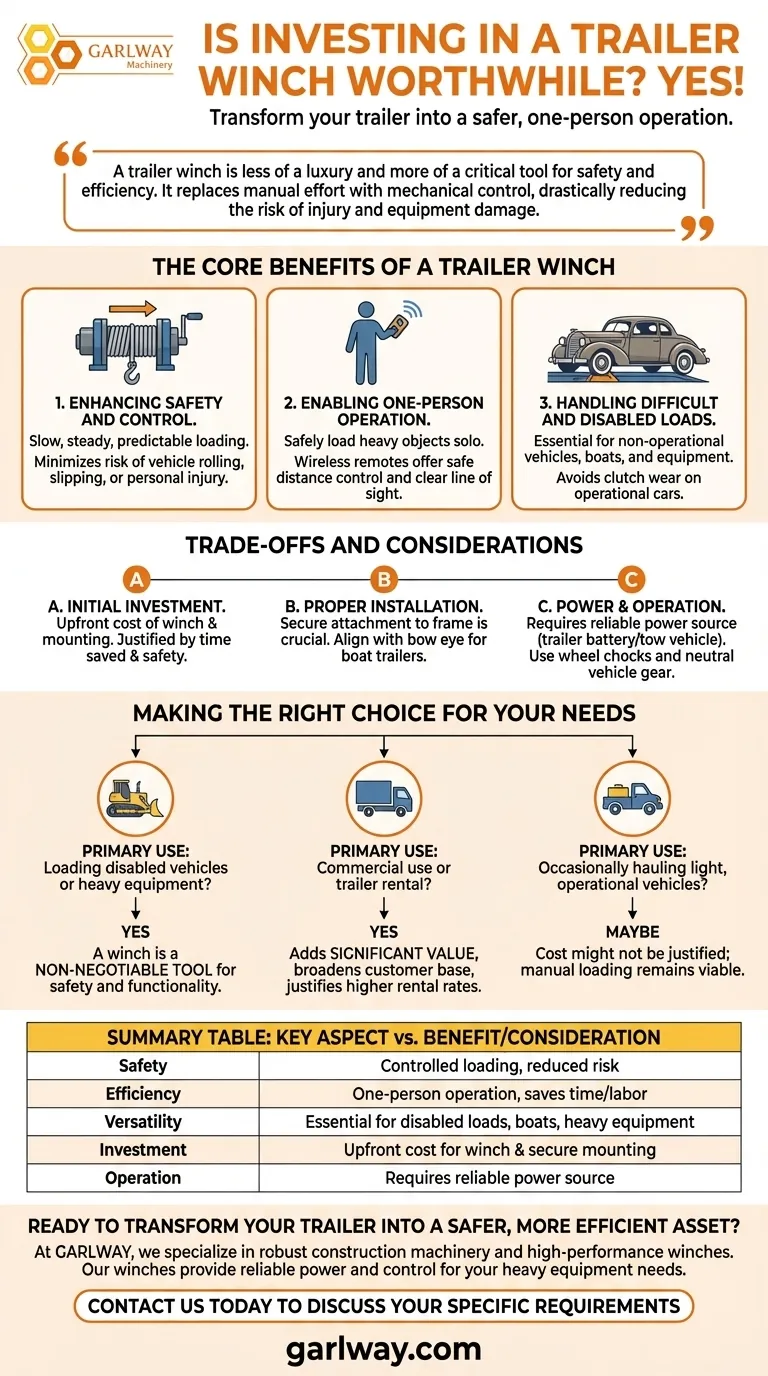
Visual Guide
Related Products
- Portable Small Trailer Winch
- 12000 lb Electric Boat Trailer Winch with Windlass Anchor Warn
- Warn Winch Windlass Boat Trailer Winch
- Best 18000 Pound Drum Anchor Trailer Winch
- Quick Windlass Portable Winch for Truck and Boat Best Boat Winch
People Also Ask
- What features were incorporated into the upgraded portable winch system? Boost Your Recovery Power & Safety
- What are some uses mentioned for portable winches beyond vehicle recovery? Essential Versatility for Property & Work
- How could the twisting issue with a portable winch be mitigated? Achieve Safe, Centered Pulls with Proper Rigging
- What is the significance of trailer winches in the boating industry? Ensure Safe and Efficient Boat Recovery
- What should be considered when mounting a winch on a trailer? Ensure a Safe, Aligned Installation