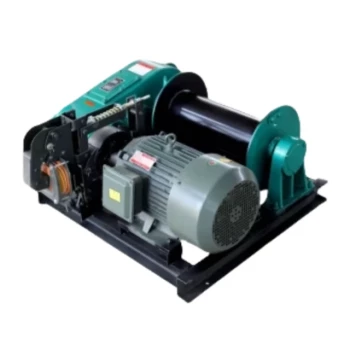
At their core, electric winches are a cost-effective industrial solution because they combine a lower initial purchase price with significantly reduced long-term operating expenses. Compared to hydraulic or pneumatic alternatives, their simpler design, higher energy efficiency, and minimal maintenance needs create compounding financial benefits over the life of the equipment.
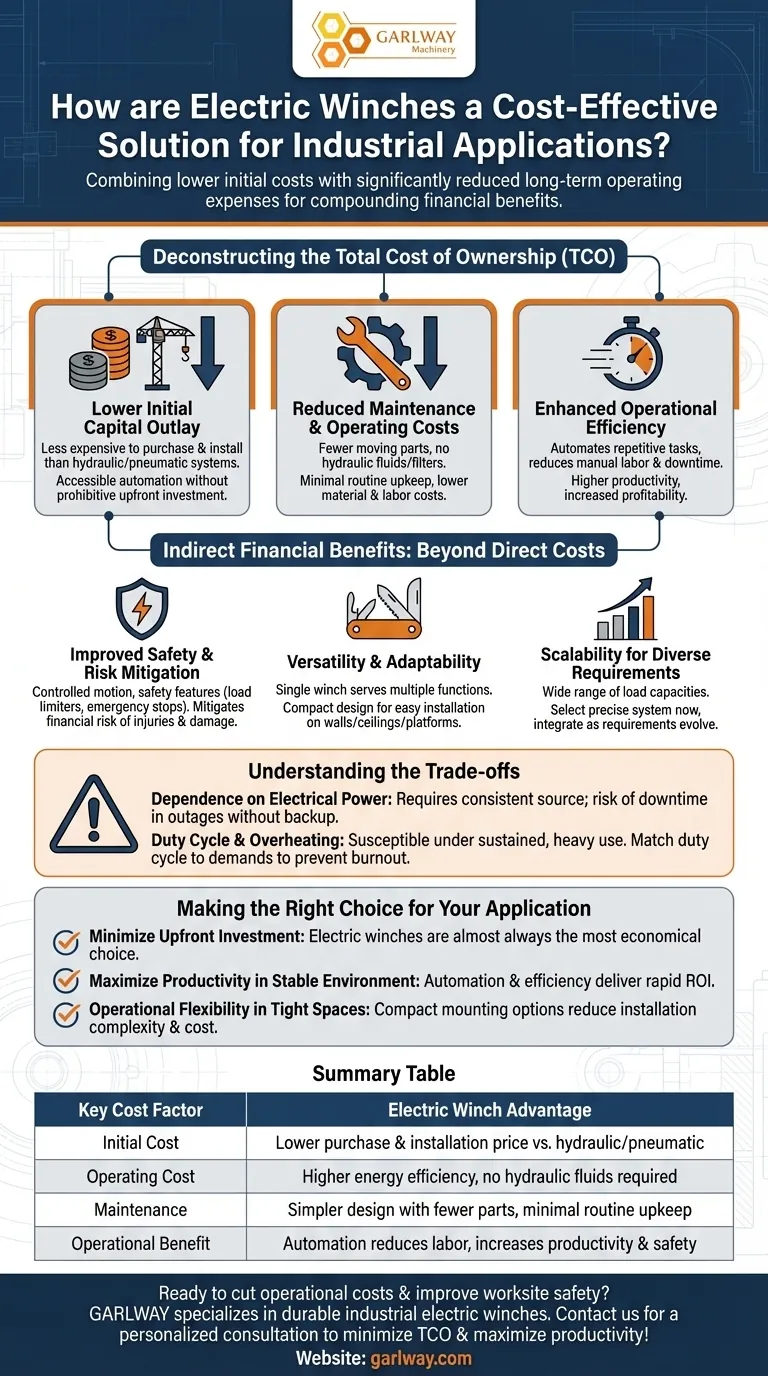
The true cost-effectiveness of an electric winch is not just its sticker price, but its lower Total Cost of Ownership (TCO), driven by savings in maintenance, operational efficiency, and enhanced workplace safety.
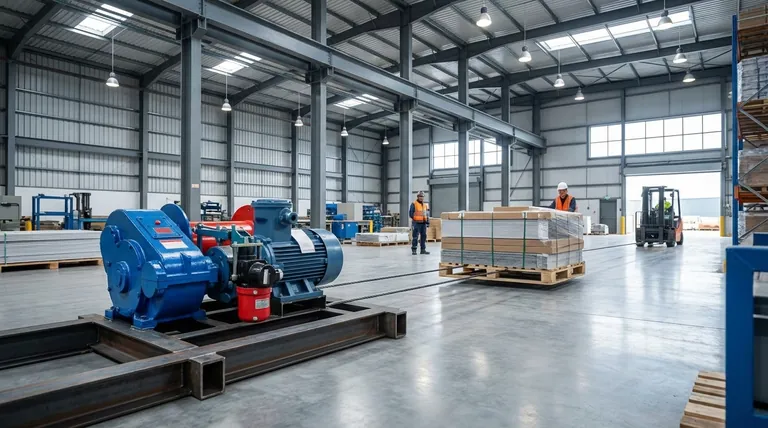
Deconstructing the Total Cost of Ownership
To understand the financial advantage of electric winches, we must look beyond the initial purchase and analyze the full operational lifecycle.
Lower Initial Capital Outlay
Electric winches are frequently less expensive to purchase and install than complex hydraulic or pneumatic systems. This makes them an accessible solution for businesses needing to automate lifting or pulling without a prohibitive upfront investment.
Reduced Maintenance and Operating Costs
The mechanical simplicity of an electric winch is its greatest long-term financial benefit. With fewer moving parts and no need for hydraulic fluids or filters, routine maintenance is minimal, reducing both material costs and labor hours.
Enhanced Operational Efficiency
By automating repetitive lifting and pulling tasks, industrial winches streamline operations. This direct reduction in manual labor and process downtime translates into higher productivity and increased profitability for the business.
The Indirect Financial Benefits of Electric Systems
Beyond direct costs, electric winches introduce operational advantages that deliver significant, though less obvious, financial returns.
Improved Safety and Risk Mitigation
Electric winches provide a highly controlled and predictable motion, which is crucial for preventing accidents. Many are equipped with safety features like load limiters and emergency stops, which mitigate the immense financial risk associated with workplace injuries and equipment damage.
Versatility and Adaptability
A single electric winch can often serve multiple functions within a facility. Their compact, lightweight design allows for easy installation on walls, ceilings, or mobile platforms, reducing the need for multiple specialized pieces of equipment.
Scalability for Diverse Requirements
Electric winches are available across a wide range of load capacities. This scalability means you can select a system that precisely matches your current need without overspending, while retaining the ability to integrate different capacity winches as requirements evolve.
Understanding the Trade-offs
While highly cost-effective, electric winches are not the universal solution. Objectivity requires acknowledging their operational limitations.
Dependence on Electrical Power
The most significant limitation is their reliance on a consistent electrical source. In environments prone to power outages or in remote field locations, this can cause significant downtime without a reliable backup generator.
Duty Cycle and Overheating
Unlike hydraulic systems that can often run continuously, electric motors can be susceptible to overheating under sustained, heavy use. It is critical to match the winch's specified duty cycle to the demands of the application to prevent motor burnout and costly replacement.
Making the Right Choice for Your Application
Selecting the most cost-effective solution depends entirely on your primary operational goal.
- If your primary focus is minimizing upfront investment: Electric winches are almost always the most economical choice compared to hydraulic or pneumatic systems.
- If your primary focus is maximizing productivity in a stable environment: The automation and efficiency gains from an electric winch deliver a rapid return on investment.
- If your primary focus is operational flexibility in tight spaces: The compact and versatile mounting options of an electric winch reduce installation complexity and cost.
Ultimately, evaluating an electric winch on its total contribution to operational efficiency and safety reveals its true value as a sound financial investment.
Summary Table:
| Key Cost Factor | Electric Winch Advantage |
|---|---|
| Initial Cost | Lower purchase & installation price vs. hydraulic/pneumatic |
| Operating Cost | Higher energy efficiency, no hydraulic fluids required |
| Maintenance | Simpler design with fewer parts, minimal routine upkeep |
| Operational Benefit | Automation reduces labor, increases productivity & safety |
Ready to cut your operational costs and improve worksite safety?
At GARLWAY, we specialize in providing durable and efficient construction machinery, including a full range of industrial electric winches designed for construction companies and contractors globally. Our experts can help you select the perfect winch to minimize your Total Cost of Ownership and maximize productivity.
Contact GARLWAY today for a personalized consultation and discover the right cost-effective solution for your project!
Visual Guide
Related Products
- Electric 120V Boat Winch by Badlands
- 12000 lb Electric Boat Trailer Winch with Windlass Anchor Warn
- Small Electric Winch 120V and 240V for Compact Applications
- Electric and Hydraulic Winch for Heavy Duty Applications
- Electric Hoist Winch Boat Anchor Windlass for Marine Applications
People Also Ask
- How do electric boat winches work? Unlock Effortless Launching & Retrieval
- How much current does an electric boat winch draw? Plan Your Electrical System for Peak Performance
- Can I run a winch straight from a battery? Essential Power Setup for Safe Operation
- What are the types of electric winches available? Choose the Right Winch for Your Job
- What are the uses of electric winches in mining and tunneling? Enhance Safety and Efficiency Underground