The Anatomy of On-Site Friction
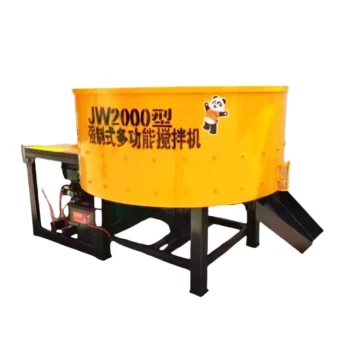
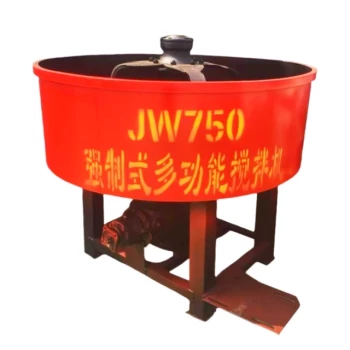
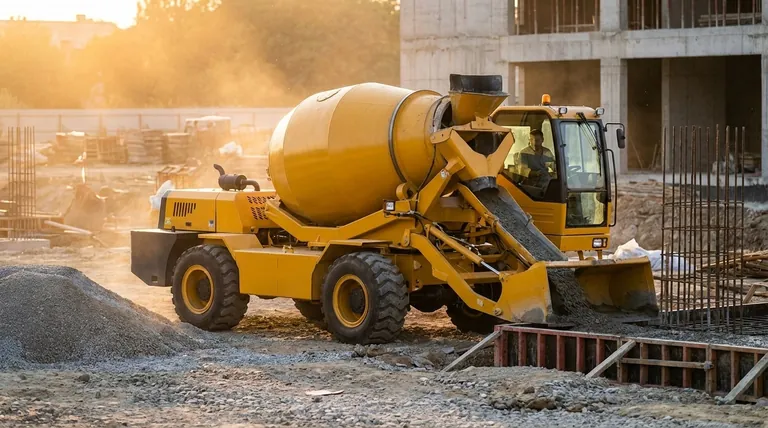
Picture a small-to-medium construction site. There's a wheel loader scooping aggregate, a stationary mixer churning away, and a dumper waiting to transport the finished concrete a short distance. It’s a familiar ballet, but it's one filled with hidden friction.
Each machine requires an operator. Each step requires coordination. A delay with the loader cascades to the mixer, which cascades to the pour. This isn't just a mechanical problem; it's a systemic one. The real cost isn't just in the fuel or the salaries—it's in the cognitive load placed on the site manager, the constant juggling of people and processes.
It’s a system where the potential for error and delay compounds at every handoff.
A System, Not a Sequence
A self-loading concrete mixer isn't merely a combination of three machines. To think of it that way is to miss the point entirely.
It is a fundamentally new operating system for on-site concrete production. It replaces a disjointed, multi-step sequence with a single, integrated workflow.
This machine loads its own aggregate, doses its own water, mixes the concrete in transit, and pours it with precision. The entire sequence is collapsed into a fluid process, controlled by a single intelligence.
From Three Operators to One Mind
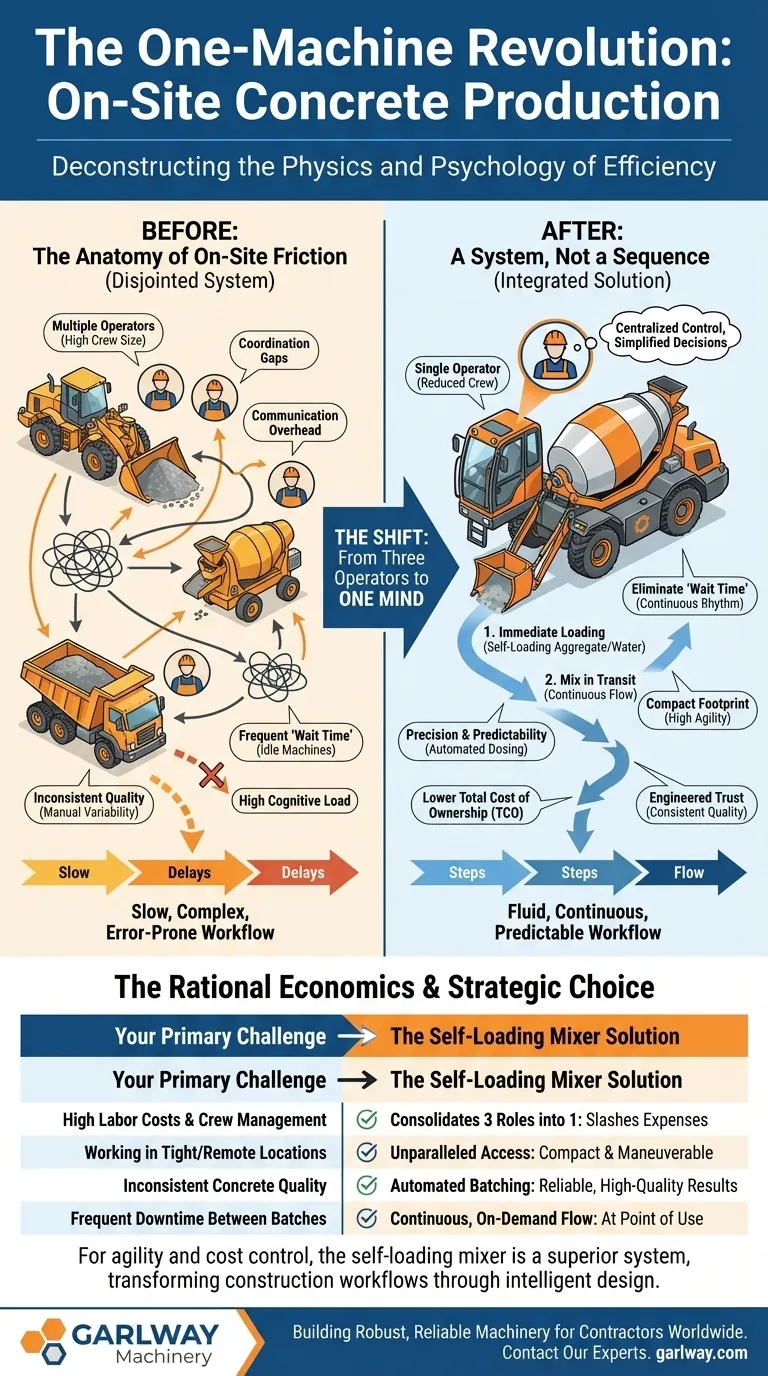
The most obvious benefit is reducing crew size from three operators to one. But the psychological impact is even more profound.
You eliminate the communication overhead, the misunderstandings, and the coordination gaps between three different people. Control is centralized. The entire concrete production process—from raw material to final placement—is managed from a single cabin, by a single operator. This simplifies decision-making and dramatically reduces the potential for human error.
The Power of Eliminating "Wait Time"
In a traditional setup, the most expensive part of the process is often the "wait time"—the moments when one machine is idle, waiting for another to complete its task.
The integrated design of a self-loading mixer virtually eliminates this internal downtime. Mixing occurs during transit. Loading is immediate. Pouring is precise. Each batch flows into the next, creating a continuous, predictable rhythm that keeps the project moving forward.
Precision and Predictability in a Chaotic World
Construction sites are, by nature, unpredictable environments. The desire for control and consistency is a constant battle against chaos. An integrated machine introduces a powerful island of predictability.
Engineering Trust Through Automation
The automated water dosing system does more than just save a few minutes. It engineers trust into the process.
By removing the guesswork and manual variability from mix proportions, it ensures that every single batch meets the required specifications. This consistency is the foundation of structural integrity, and it's achieved automatically, freeing up the operator to focus on placement and site safety.
The Physics of Agility
Traditional equipment is often clumsy in confined spaces. A self-loading mixer, however, is designed for surgical precision in difficult environments.
- Compact Footprint: A narrow body and small turning radius allow it to navigate tight urban sites, tunnels, and remote rural roads where a larger fleet simply cannot go.
- Rotational Pouring: The ability for the drum to rotate up to 270 degrees is an elegant solution to a clumsy problem. Instead of constantly repositioning the entire vehicle, the operator can place concrete precisely on multiple sides, saving time and reducing site disruption.
This isn't just maneuverability; it's tactical freedom.
The Rational Economics of an Integrated System
Of course, such a capable machine represents a significant capital investment. This can make some decision-makers hesitate, focusing on the initial ticket price rather than the total operational picture.
Seeing Beyond the Initial Cost
The financial logic of a self-loading mixer is rooted in Total Cost of Ownership (TCO). While the initial purchase price is higher than a single traditional mixer, it replaces the need to buy, fuel, maintain, and staff two other machines.
It's an investment in radical efficiency. The question isn't "Can we afford this machine?" but rather "Can we afford the continued cost of inefficiency, labor, and logistical friction?"
Choosing Your Operational Philosophy
Ultimately, the right equipment depends on your project's core demands. The decision is a strategic one about your operational philosophy.
| Your Primary Challenge | The Self-Loading Mixer as the Solution |
|---|---|
| High labor costs & crew management. | Consolidates three roles into one, slashing labor expenses and simplifying logistics. |
| Working in tight or remote locations. | Provides unparalleled access and maneuverability where other fleets can't operate. |
| Inconsistent concrete quality. | Delivers precise, automated batching for reliable, high-quality results every time. |
| Frequent downtime between batches. | Creates a continuous, on-demand production flow right at the point of use. |
For massive, high-volume infrastructure projects, a dedicated batching plant remains the logical choice. But for the vast majority of small to medium-sized projects that prize agility and cost control, the self-loading mixer is not just an alternative—it's a superior system.
It represents a shift from brute force to intelligent design, transforming one of the most fundamental construction workflows. At GARLWAY, we build the robust, reliable machinery that powers this shift for contractors worldwide.
If you are ready to streamline your workflow and fundamentally change your project economics, we can help you select the right tool for the job. Contact Our Experts
Visual Guide
Related Products
- Skid Steer Self Loading Concrete Mixers for Construction
- Belle Mixer Drum Self Loading Mortar Mixers JS3000
- Portable Cement Mixer with Lift Concrete Machine
- Portable Concrete Mixer Machine Equipment for Mixing Concrete
- Portable Ready Mix Concrete Mixer Equipment
Related Articles
- The Physics of a Faster Pour: Why Bucket Shape Defines Concrete Mixer Productivity
- Beyond Gravity: The Engineering of a Perfect Concrete Pour
- Beyond the Barrel: The Physics and Psychology of a Perfect Concrete Mix
- The Unseen Engine: How Integrated Mobility Solves Construction's Cognitive Load Problem
- The Precision Paradox: Why Self-Loading Mixer Maintenance is About More Than Just Oil Changes