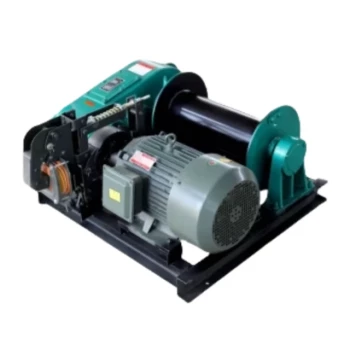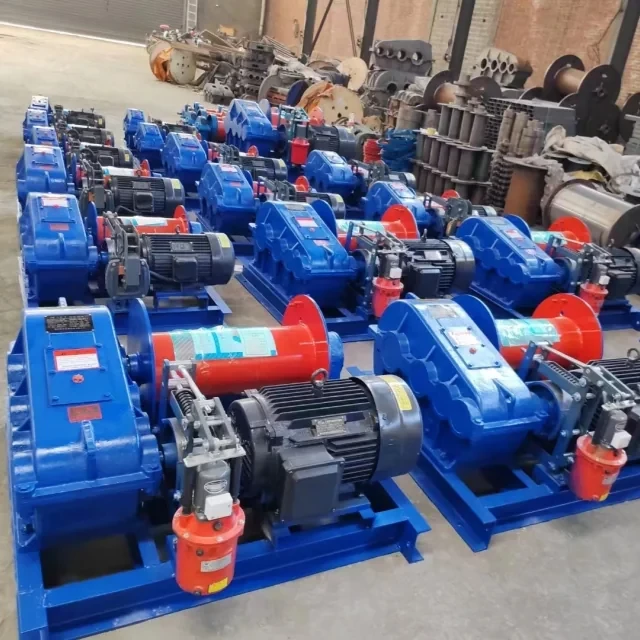
Construction sites remain among the most hazardous work environments, with 20% of worker fatalities stemming from struck-by-object incidents (OSHA). While winches are often viewed as simple labor-saving tools, their engineered safety mechanisms actively prevent catastrophic accidents. This article reveals how modern winch systems structurally mitigate risks through load physics, real-world applications, and compliance optimization.
How Winches Redefine Hazard Management on Sites
Load Stabilization and Force Distribution
Winches convert unpredictable human lifting into controlled mechanical processes. The drum-and-cable system distributes weight evenly across structural anchor points, unlike manual lifting where 80% of strain concentrates on a worker’s lower back (Bureau of Labor Statistics).
Key stabilization features:
- Torque-limiting brakes prevent sudden load drops during power failures
- Multi-layer spooling maintains cable tension during vertical lifts
- Pendulum motion dampeners counteract swinging loads in windy conditions
Ever wondered why cranes still rely on winch mechanisms for precision lifts? The answer lies in physics-backed stability.
Preventing Overexertion Through Mechanical Advantage
A 2-ton hand winch with a 6:1 gear ratio reduces required operator force by 83% compared to direct lifting. This mechanical advantage directly addresses the leading cause of construction injuries—overexertion—which accounts for 35% of compensation claims (National Safety Council).
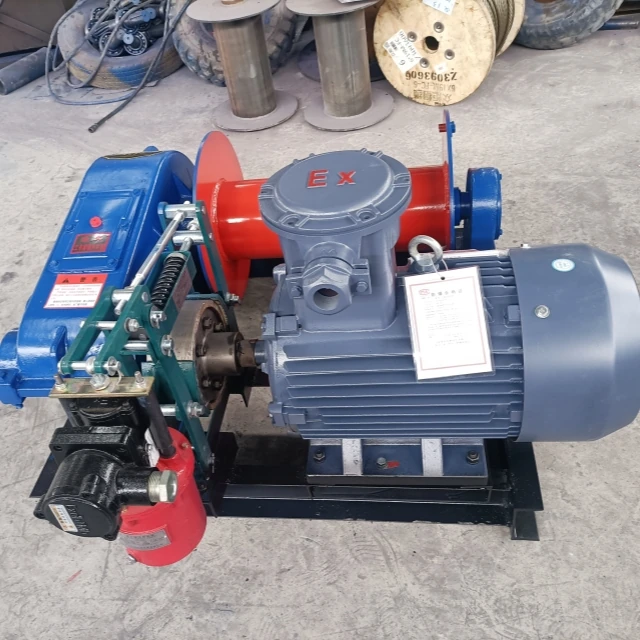
Case Studies: Winches in High-Risk Scenarios
Vertical Material Hoisting vs. Manual Ladder Carrying
In a Seattle high-rise project, switching from manual ladder transport to electric winches reduced:
- Fall risks by eliminating 120 weekly ladder climbs
- Material damage by 40% through controlled vertical movement
- Setup time from 45 minutes to under 10 minutes per load
Horizontal Load Dragging on Uneven Terrain
A Texas pipeline crew prevented trench collapses by using winches for:
- Controlled extraction of heavy pipes (no sudden jerks destabilizing walls)
- Angled pulling to navigate 30-degree slopes safely
- Remote operation keeping workers outside collapse danger zones
What’s more dangerous—the weight you’re moving or how it’s being moved? Winches address both variables.
Optimizing Winch Use for Regulatory Compliance
OSHA Guidelines for Winch Safety Inspections
Mandatory pre-shift checks align with OSHA 1926.550(c):
- Cable integrity (no more than three broken strands in one lay)
- Anchor point capacity (minimum 1.5x rated load)
- Control responsiveness (test lifts at 25% capacity)
Training Protocols to Avoid Misuse-Related Accidents
Effective programs combine:
- Physics education on load angles (a 30-degree pull angle increases actual load by 15%)
- Failure simulations demonstrating improper rigging consequences
- Maintenance drills for wear pattern recognition
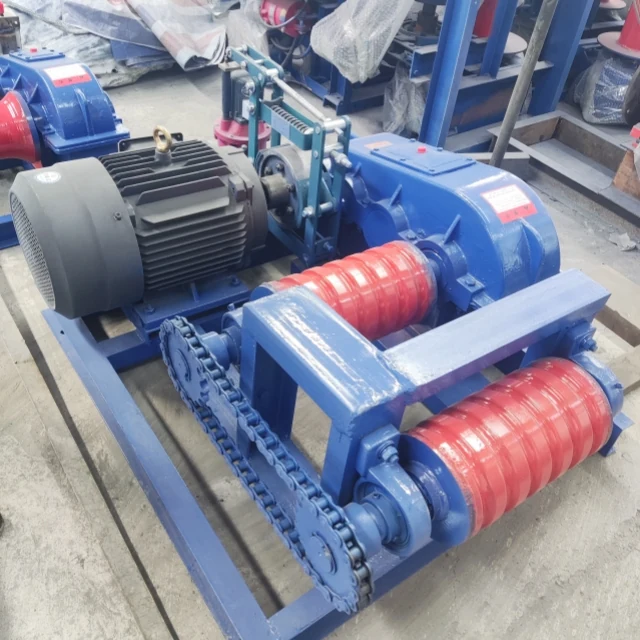
Conclusion: Engineering a Human-Centric Safety Net
Winches represent one of construction’s most underrated risk mitigation tools—when properly understood. From redistributing deadly forces to enabling remote hazardous material handling, these systems function as silent guardians on job sites.
Actionable Steps for Teams:
- Audit high-risk manual handling tasks for winch conversion opportunities
- Implement monthly winch physics workshops
- Standardize inspection checklists mirroring OSHA subpart CC requirements
For operations requiring reliable load management, explore garlway’s engineered winch solutions designed for construction-grade safety demands. Their integrated braking systems and load monitors exemplify modern accident prevention technology—without naming specific models, these systems embody the principles discussed throughout this analysis.
Related Products
- Small Electric Winch 120V and 240V for Compact Applications
- Warn Winch Windlass Boat Trailer Winch
- Electric and Hydraulic Winch for Heavy Duty Applications
- Quick Windlass Portable Winch for Truck and Boat Best Boat Winch
- Hydraulic Winding Engine Harbor Freight Winch
Related Articles
- How to Maximize Electrical Winch Performance in Challenging Environments
- How Electric Winch Safety Features Prevent Catastrophic Industrial Accidents
- How to Choose Between Manual and Electric Winches for Your Project
- How Electric Winches Solve Industrial Safety and Cost Challenges
- How Electric Winches’ Engineering Enhances Efficiency and Safety in Heavy-Duty Applications