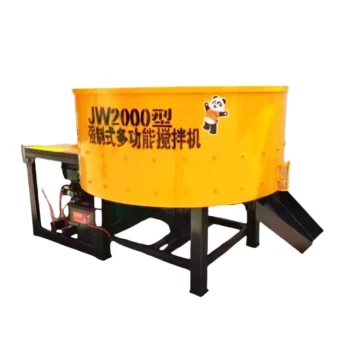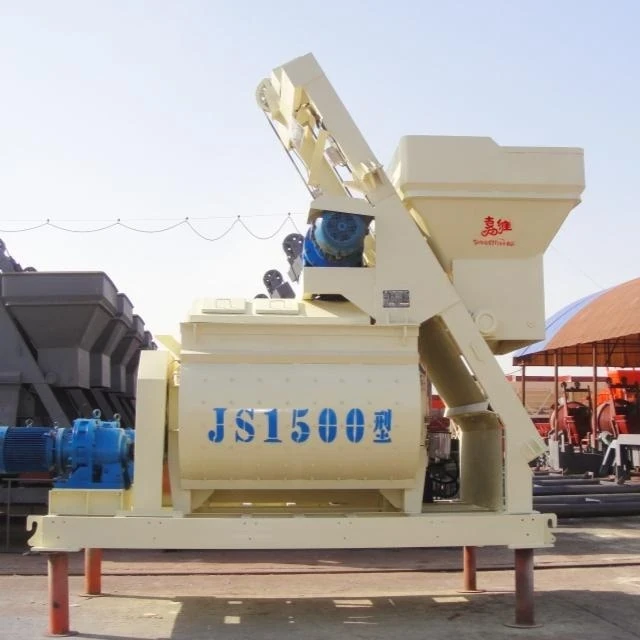
Concrete mixers are indispensable on construction sites, but their powerful mechanisms also pose significant risks when improperly maintained. This guide delivers actionable methods to perform OSHA-compliant safety inspections, helping you identify hazards before they escalate into accidents or regulatory violations.
Pre-Operation Safety Check Fundamentals
Why It Matters: Over 30% of mixer-related accidents occur due to overlooked pre-use inspections (OSHA data). Start every shift with these critical assessments.
Critical Components to Inspect Before Startup
-
Drum and Blades
- Check for cracks, warping, or material buildup. Damaged blades can imbalance the drum, leading to catastrophic failure.
- Pro Tip: Run the mixer empty for 30 seconds to detect unusual vibrations.
-
Electrical Systems
- Exposed wires or frayed cables risk electrocution. Verify grounding and insulation integrity.
-
Hydraulic/Fluid Leaks
- Puddles under the mixer? Inspect hoses and connections for wear.

Red Flags Indicating Mechanical or Electrical Failures
- Grinding noises → Misaligned gears or bearing issues
- Erratic speed control → Faulty throttle or hydraulic pressure loss
- Burning smells → Overheating motor or electrical short
Ever wondered why OSHA mandates daily mixer inspections? A single loose bolt can destabilize tons of rotating concrete.
Best Practices for Hazard Mitigation
Lockout-Tagout (LOTO) Procedures During Maintenance
- Power Down completely before servicing.
- Attach Warning Tags to control panels to prevent accidental reactivation.
- Verify Energy Isolation with a voltage tester.
Visual Metaphor: Treat LOTO like a "seatbelt" for maintenance crews—it’s non-negotiable.
Environmental Factors Affecting Mixer Stability
- Sloped Terrain: Always use outriggers or stabilizers.
- High Winds: Secure the mixer’s discharge chute to prevent swinging.
- Wet Conditions: Check tire treads for traction; mud increases slip risks.

Lessons from Real-World Incidents
Case Study: Cost of Neglecting Drum Blade Inspections
A 2022 incident in Texas saw a mixer’s blade snap mid-pour, hurling debris that injured three workers. Investigation revealed:
- Root Cause: Cracks went unreported for weeks.
- Penalty: $12,500 OSHA fine + $200K in medical/legal costs.
Regulatory Penalties for Non-Compliance
- First-time violations: Up to $15,625 per incident (OSHA 2024 adjustments).
- Willful neglect: Criminal charges possible.
Interactive Question: Could your current inspection checklist catch these issues?
Conclusion: Build a Culture of Safety
- Document Every Inspection—create a log for accountability.
- Train Teams on red-flag recognition using manufacturer guidelines (like those for Garlway mixers).
- Schedule Professional Audits quarterly to complement daily checks.
By treating inspections as a lifesaving protocol—not a bureaucratic hurdle—you protect both your team and your bottom line.
Final Thought: Safe mixers don’t just pass inspections; they power projects without pause.
Products You Might Be Looking For:
View OSHA-compliant concrete mixing plants
Explore heavy-duty batching plant mixers
Check industrial concrete mixer machines
Related Products
- Portable Concrete Mixer Machine Equipment for Mixing Concrete
- Construction Products Concrete Plant Machine Mixing Concrete Mixer
- Portable Electric Concrete Mixer Machine for Cement Mixing
- JZC400 Mobile Small Concrete Mixer Cement Mixer Machine
- Hydraulic Concrete Mixer Machine Cement Mixing Equipment for Mixture Concrete
Related Articles
- How to Diagnose and Prevent Sensor Resistance Failures in Concrete Mixing Equipment
- How to Build an OSHA-Compliant Safety System for Concrete Mixer Workspaces
- The Downtime Equation: How a Manufacturer's Support System Defines Your Concrete Mixer's True Cost
- How to Choose Concrete Mixers for Long-Term Reliability and Cost Savings
- How Concrete Composition Works: The Science Behind Stronger Structures