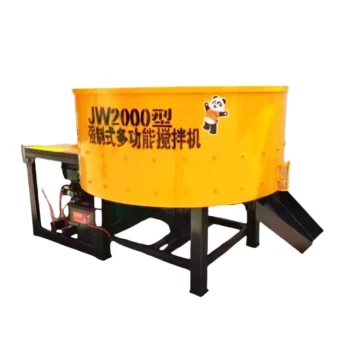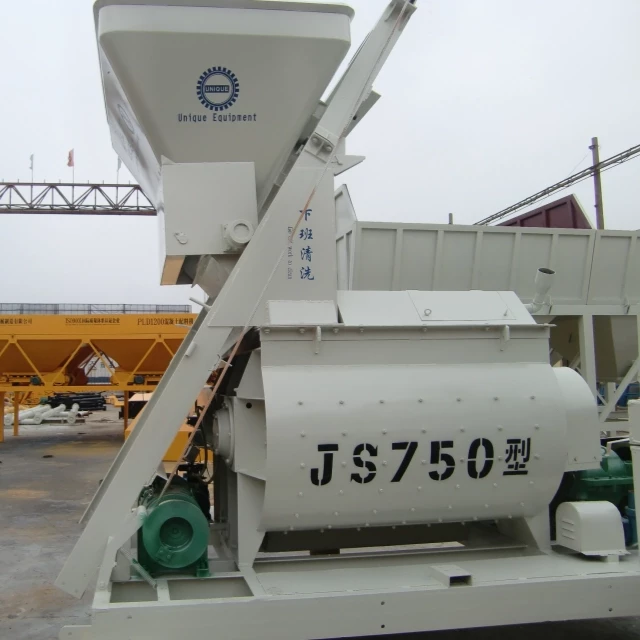
When choosing a cement mixer for small construction projects, most buyers focus solely on price or brand reputation. Yet the real differentiator lies in component engineering—the hidden architecture that determines:
- Mixing efficiency (reducing labor time by 30-50%)
- Equipment lifespan (preventing premature motor failures)
- Project suitability (matching torque profiles to material types)
This guide decodes the engineering principles behind compact mixing solutions, helping you select equipment that aligns with your specific project demands.
Engineering Behind Compact Mixing Solutions
Drum Dynamics: Rotation Mechanisms and Material Retention
The drum isn’t just a metal container—it’s a precision-engineered system where:
- Tilt angles (typically 15°-25°) optimize material flow without spillage
- Internal fins create a vortex motion, ensuring homogeneous mixing
- Wear-resistant alloys in premium models (like Garlway’s chromium-reinforced drums) resist abrasive concrete damage
Ever noticed how some mixers leave unmixed pockets while others achieve uniform consistency? The answer lies in the drum’s rotational speed (20-30 RPM for mortar vs. 12-18 RPM for thicker concrete).
Powerplant Variations: Electric vs Gasoline Torque Profiles
| Factor | Electric Motors | Gasoline Engines |
|---|---|---|
| Torque Curve | Instant high torque | Gradual power buildup |
| Best For | Indoor/short-duration tasks | Remote/long-run projects |
| Maintenance | 3-5x fewer moving parts | Regular oil changes |
Electric models (e.g., Garlway’s 1500W series) excel in residential repairs where noise and emissions matter. Gasoline units deliver the sustained power needed for commercial jobsites.
Ergonomic Design Philosophy in Handle Configurations
Poor ergonomics cost contractors 17% more in fatigue-related inefficiencies (OSHA data). Key innovations include:
- Pivoting handles: Adjustable angles reduce wrist strain during transport
- Weight distribution: 60/40 rear-biased designs prevent tipping with full loads
- Non-slip grips: Essential for wet conditions, reducing drop incidents
Selection Matrix for Different Project Types
Residential Repair vs Commercial Renovation Requirements
For Homeowners (1-2 cubic yard batches):
- Prioritize electric motors (quieter operation)
- Look for sub-100 lb. weight for easy relocation
- Polyethylene drums resist rust from intermittent use
For Contractors (3+ cubic yard daily use):
- Gasoline engines handle continuous 8-hour runtime
- Steel drum construction withstands job site abuse
- Heavy-duty axles support frequent towing
Calculating Optimal Drum Capacity for Material Batches
Use this formula to avoid under/overloading:
Related Products
- HZS25 Best Cement Mixer for Quick Mix Concrete at Bunnings
- JDC350 Small Cement Concrete Mortar Mixer
- JW1000 Mobile Cement Mixer Concrete Mixer Truck and Batching Plant
- Concrete Cement Mixer Machine Drum Mixer for Construction
- JZC400 Mobile Small Concrete Mixer Cement Mixer Machine
Related Articles
- Cement Mixer Hacks: When Innovation Meets Industrial Reality
- How to Transform Your Cement Mixer into a High-Performance Art Tool
- How to Repurpose Your Cement Mixer for Ammunition, Farming, and DIY Projects
- How Cement Mixers Solve Industrial Derusting Challenges Safely and Efficiently
- How to Repurpose Cement Mixers for High-Efficiency Farm Material Processing