Introduction
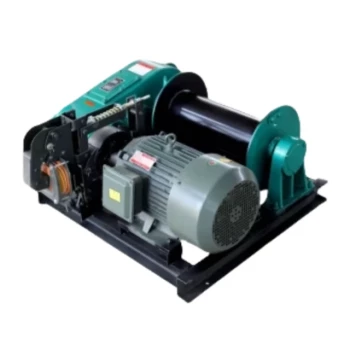
Winches are more than just tools for lifting heavy loads—they're engineered solutions that enhance safety, efficiency, and productivity across industries. Whether you're in construction, mountain rescue, or offshore operations, selecting the right winch can mean the difference between seamless execution and costly downtime. This guide breaks down how to match winch capabilities to your specific needs, evaluate long-term value, and leverage innovations that minimize risks in critical environments.
Winches: Beyond Basic Lifting
Matching Winch Capabilities to Operational Demands
Not all winches are created equal. The right choice depends on:
- Load Capacity: Exceeding rated limits risks equipment failure.
- Duty Cycle: Frequent use demands rugged designs (e.g., planetary gear systems).
- Environment: Saltwater corrosion or extreme temperatures require specialized materials like marine-grade stainless steel.
Ever wondered why synthetic ropes outperform steel cables in rescue missions? Their lighter weight reduces recoil danger if severed, a critical safety advantage in mountain rescue scenarios.
Engineering Behind Safe and Durable Winch Systems
Key features that ensure reliability:
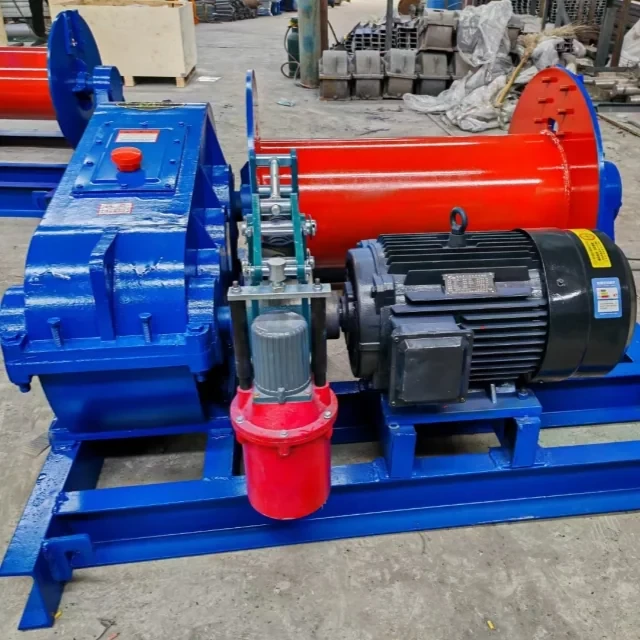
- Braking Systems: Automatic load-holding brakes prevent unintended descent.
- Motor Efficiency: High-torque motors maintain performance under strain.
- Rope Technology: Synthetic ropes resist kinking and are easier to inspect for wear.
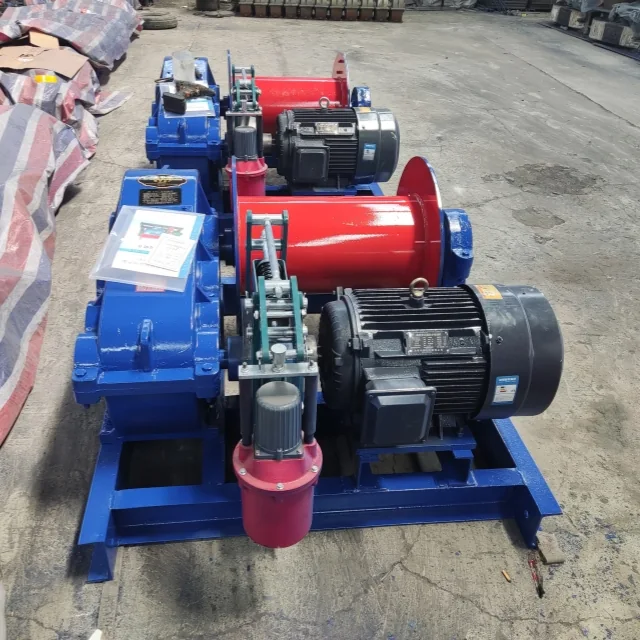
For industries like construction, integrating winches with Garlway’s reinforced drum designs can extend service life by 30% in abrasive environments.
Cost vs. Performance in Winch Deployment
Calculating Long-Term Value in Harsh Environments
Upfront cost is just one factor. Consider:
- Maintenance Needs: Sealed bearings reduce lubrication frequency in dusty sites.
- Downtime Costs: A $5,000 winch causing $50,000/day in delays is a poor investment.
- Safety Compliance: Non-compliant gear risks fines and accidents.
Did you know? Properly maintained synthetic ropes last 2–3 times longer than steel in corrosive settings, offsetting higher initial costs.
Innovations Reducing Downtime in Critical Operations
Recent advancements include:
- Smart Monitoring: Sensors alert operators to overheating or rope wear.
- Modular Components: Swappable parts simplify field repairs.
- Energy Recovery: Regenerative braking in electric winches cuts power consumption.
For example, Garlway’s winches with IoT-enabled diagnostics can predict failures before they occur, slashing unplanned downtime by up to 40%.
Conclusion: Actionable Steps for Optimal Winch Selection
- Audit Your Needs: Document load weights, environmental conditions, and usage frequency.
- Prioritize Safety: Opt for features like automatic brakes and synthetic ropes in high-risk scenarios.
- Evaluate Total Cost: Factor in maintenance, durability, and downtime savings.
- Leverage Technology: Explore smart winches for predictive maintenance.
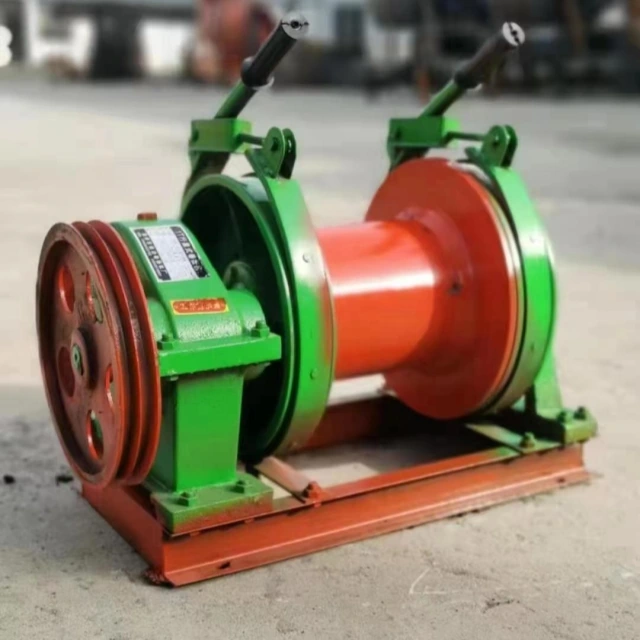
Winches are pivotal tools that power industries—from lifting steel beams to saving lives in emergencies. By aligning your choice with operational realities, you invest not just in equipment, but in smoother, safer workflows.
Ready to upgrade your operations? Explore Garlway’s range of winches designed for resilience in demanding conditions.
Related Products
- Small Electric Winch 120V and 240V for Compact Applications
- Warn Winch Windlass Boat Trailer Winch
- Electric and Hydraulic Winch for Heavy Duty Applications
- Quick Windlass Portable Winch for Truck and Boat Best Boat Winch
- Hydraulic Winding Engine Harbor Freight Winch
Related Articles
- How to Maximize Electrical Winch Performance in Challenging Environments
- How Electric Winch Safety Features Prevent Catastrophic Industrial Accidents
- How to Choose Between Manual and Electric Winches for Your Project
- How Electric Winches Solve Industrial Safety and Cost Challenges
- How Electric Winches’ Engineering Enhances Efficiency and Safety in Heavy-Duty Applications