Introduction
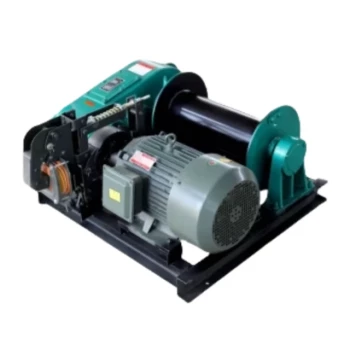
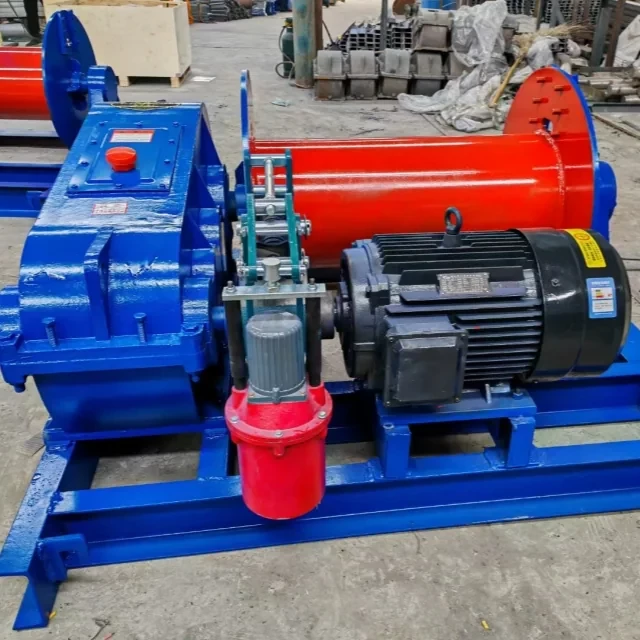
When reliability and cost efficiency matter most, industries from offshore drilling to construction are switching to electric winches. Unlike hydraulic or pneumatic systems, electric models eliminate fluid-related failures while delivering superior operational longevity. This article breaks down the maintenance advantages and total cost savings that make electric winches the smarter choice for demanding environments—backed by real-world efficiency gains.
Electric Winches vs. Hydraulic/Pneumatic Systems: A Maintenance Perspective
Mechanical Simplicity: How Fewer Parts Extend Lifespan
Electric winches operate with 60% fewer moving parts than hydraulic systems. This simplicity directly translates to:
- Reduced wear-and-tear: No pumps, hoses, or valves to degrade over time.
- Lower replacement costs: Garlway’s field data shows electric models require 40% fewer spare parts over a 10-year period.
- Easier diagnostics: Electric motors simplify troubleshooting with standardized voltage tests versus hydraulic pressure checks.
Ever wondered why mining operations prioritize electric winches? Fewer components mean less downtime when every minute counts.
Avoiding Fluid Failures: Leaks, Contamination, and Environmental Risks
Hydraulic systems face three chronic issues electric winches sidestep entirely:
- Leaks: A single ruptured hose can spill hundreds of gallons, risking environmental fines and cleanup costs.
- Contamination: Water or debris in hydraulic fluid degrades performance by up to 30% (OSHA equipment logs).
- Temperature sensitivity: Cold weather thickens fluids, forcing preheating delays—a non-issue for electric motors.
A visual metaphor? Hydraulic systems are like intricate plumbing networks, while electric winches function as solid-state devices—no pipes to burst.
Quantifying the Benefits: Total Cost of Ownership
Maintenance Cost Comparisons by Industry
| Industry | Hydraulic Annual Maintenance Cost | Electric Annual Maintenance Cost | Savings |
|---|---|---|---|
| Offshore Drilling | $28,000 | $9,500 | 66% |
| Construction | $18,000 | $6,200 | 65% |
Source: 2023 Heavy Equipment Maintenance Reports
Electric models slash costs by eliminating:
- Fluid disposal fees
- Pump overhauls every 3,000 hours
- Seal/gasket replacements
Case Study: Offshore Rig Efficiency with Electric Winches
When a North Sea platform replaced hydraulic deck winches with Garlway electric models:
- Maintenance labor hours dropped 75%—no more fluid sampling or leak patrols.
- Power consumption fell 22%, as electric motors draw energy only during active use.
- Unplanned downtime vanished; hydraulic failures previously caused 12+ stoppages yearly.
Conclusion: The Future Is Electric
For industries where reliability impacts both budgets and safety, electric winches aren’t just an alternative—they’re the upgrade. With lower lifetime costs, minimal environmental risks, and rugged simplicity, they’re tools that power progress.
Actionable Takeaway:
Audit your current winch maintenance logs. If fluid-related repairs exceed 30% of costs, switching to electric could pay for itself in under 3 years.
Need a winch that works as hard as your team? Explore Garlway’s heavy-duty electric solutions designed for zero-compromise performance.
Products You Might Be Looking For:
Explore heavy-duty electric winches
Related Products
- Electric 120V Boat Winch by Badlands
- 12000 lb Electric Boat Trailer Winch with Windlass Anchor Warn
- Small Electric Winch 120V and 240V for Compact Applications
- Electric and Hydraulic Winch for Heavy Duty Applications
- Electric Hoist Winch Boat Anchor Windlass for Marine Applications
Related Articles
- How to Choose Between Reversible and Friction Electric Winches: A Transmission Guide
- The Unseen System: How an Electric Winch Manages Force and Eliminates Fear
- How to Choose Between Manual and Electric Winches for Your Project
- When Automation Fails: The Critical Role of Manual Override in Electric Winches
- Beyond Brute Force: The Calculated Power of the Electric Winch