Within 8 hours on working days, 24 hours on holidays
portable mixer cement
Portable cement mixers are essential tools for a variety of construction and DIY projects, including sidewalks, foundations, mortar bases, and decorative concrete work. These versatile machines are also perfect for anchoring fence posts, patching, and small concrete slabs. Our product range includes:
Portable Electric Small Cement Mixer Concrete Machine: Ideal for construction, roads, and DIY projects with high performance and easy operation.
JZC350 Electric Concrete Mixer: Efficient and reliable for construction, roads, and bridges, featuring portability and energy efficiency.
JZC400 Mobile Small Concrete Mixer: Perfect for small to medium projects with durable and efficient design.
JZC500 Large Cement Mixer: Boosts productivity on construction sites with its large capacity and portability.
JDC350 Small Cement Concrete Mortar Mixer: Ensures uniform mixing for construction, roads, and water projects.
These mixers are designed to save time, provide consistent mixing results, and offer cost-effective solutions for various applications.
Our portable cement mixers are engineered to deliver superior performance, durability, and versatility for a wide range of applications. Whether you're working on a small DIY project or a large-scale construction site, our mixers are designed to meet your needs.
Key Features and Benefits
High Efficiency and Performance: Our mixers are equipped with powerful motors and advanced mixing mechanisms to ensure consistent and uniform mixing of concrete, mortar, and other materials. This results in high-quality output with minimal effort.
Portability and Ease of Use: Lightweight and compact designs make our mixers easy to transport and maneuver, even in tight spaces. This is particularly beneficial for DIY enthusiasts and small-scale contractors who need flexibility on the job site.
Durability and Reliability: Built with high-quality materials, our mixers are designed to withstand harsh working conditions and provide long-lasting performance. This reduces downtime and maintenance costs.
Versatility: Our mixers can handle various materials, including concrete, mortar, stucco, and non-stick grout. This makes them suitable for a wide range of applications, from building foundations to decorative concrete work.
Cost-Effectiveness: By owning a portable cement mixer, you eliminate the need for ready-mix companies, which often have minimum delivery requirements and restricted working hours. This gives you the freedom to mix as little or as much concrete as needed, whenever and wherever required.
How Our Portable Cement Mixers Work
Our mixers operate on simple yet effective principles:
Accurate Measurement: Ingredients are measured precisely to ensure the right consistency and strength of the mix.
Gradual Loading: Materials are loaded gradually to prevent overloading and ensure even mixing.
Immediate Cleaning: Cleaning the mixer immediately after use prevents material buildup and prolongs the machine's lifespan.
Proper Storage: Storing the mixer in a protected area shields it from weather damage and ensures it’s ready for the next use.
Applications
Our portable cement mixers are ideal for:
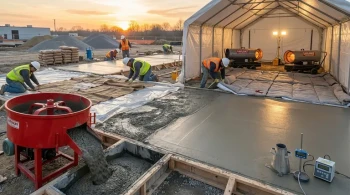
Construction Projects: Building foundations, sidewalks, and binding blocks.
DIY Projects: Anchoring fence posts, patching, and small concrete slabs.
Decorative Work: Creating decorative concrete elements for homes and gardens.
Industrial Use: Mixing non-stick grout and other specialized materials.
Customizable Solutions
We understand that every project has unique requirements. That’s why we offer customizable solutions to tailor our mixers to your specific needs. Whether you need a different capacity, power source, or additional features, our team can work with you to create the perfect mixer for your project.
Professional Support and Warranty
Our commitment to quality doesn’t end with the sale. We provide comprehensive support, including maintenance tips, troubleshooting assistance, and warranty coverage to ensure your mixer performs at its best for years to come.
Get Started Today
Ready to enhance your construction or DIY projects with a high-quality portable cement mixer? Contact us today to discuss your needs and find the perfect mixer for your job. Our team of experts is here to help you make the right choice and ensure you get the most out of your investment.
Don’t let mixing challenges slow you down. With our portable cement mixers, you’ll achieve professional results with ease and efficiency. Reach out now to learn more and place your order!
FAQ
What Are The Common Applications Of Portable Cement Mixers?
Portable cement mixers are commonly used for sidewalks, foundations, binding block, mortar bases, and decorative concrete work. They are also useful for anchoring fence posts, patching, small concrete slabs, and mixing non-stick grout.
What Are The Benefits Of Using A Portable Cement Mixer?
The benefits include time-saving, consistent mixing results, ease of use, cost-effectiveness, portability, and versatility in handling various materials like concrete, mortar, and stucco.
What Features Should I Look For In A Portable Cement Mixer?
Portable concrete mixers are lightweight and easy to move, making them suitable for DIY projects and small-scale construction. They can mix up to 9 cubic feet of cement. Factors to consider include capacity, power source, durability, ease of cleaning, budget, and warranty or support options.
What Are Some Tips For Using A Portable Cement Mixer Effectively?
Tips include measuring ingredients accurately, loading gradually, avoiding overloading, cleaning immediately after use, and storing properly to protect from weather damage.
What Are The Advantages Of Owning A Portable Cement Mixer?
Owning a portable cement mixer provides independence and flexibility, allowing contractors to mix as little or as much concrete as needed, whenever and wherever required. It eliminates dependency on ready-mix companies, which often have minimum delivery requirements and restricted working hours.
What Types Of Materials Can A Portable Cement Mixer Handle?
Portable cement mixers are versatile and can handle various materials like concrete, mortar, and stucco.
How Does A Portable Cement Mixer Save Time?
Portable cement mixers save time by providing consistent mixing results quickly and efficiently, eliminating the need for manual mixing.
Why Is Portability An Important Feature In Cement Mixers?
Portability is important because it allows the mixer to be easily moved to different job sites, making it ideal for DIY projects and small-scale construction work.
What Should I Consider When Choosing The Capacity Of A Portable Cement Mixer?
When choosing the capacity, consider the volume of material you need to mix for your projects. Portable mixers can typically handle up to 9 cubic feet of cement, but selecting the right size depends on your specific needs.
How Does A Portable Cement Mixer Enhance Cost-effectiveness?
Portable cement mixers enhance cost-effectiveness by reducing labor costs, minimizing material waste, and eliminating the need for expensive ready-mix deliveries, especially for small projects.
This website uses cookies to enhance your browsing experience,
analyze site traffic, and serve better user experiences. By continuing to use this site, you consent to our use of
cookies. Learn more in our cookie policy.