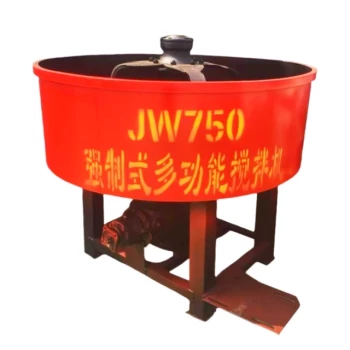
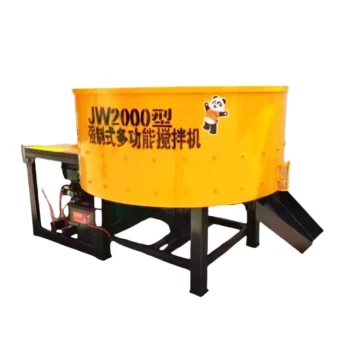
Ultimately, the design of a concrete mixing plant is critically important because it directly determines the plant's operational efficiency, the quality of the concrete produced, and its long-term profitability. A thoughtful design aligns the equipment with specific project goals, whereas a poor design, often driven by initial cost-cutting, introduces hidden expenses and significant production issues down the line.
A concrete plant's design is not a static blueprint; it is a strategic decision that must be tailored to your unique production scale, site conditions, and technical requirements. Getting it right prevents costly failures and ensures consistent, high-quality output.
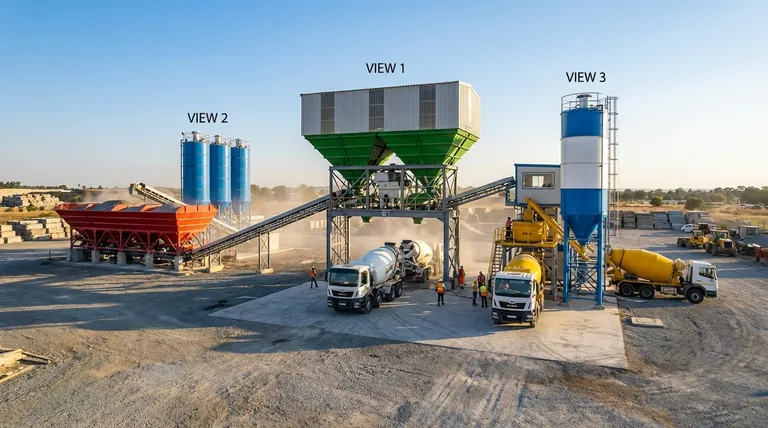
Why Plant Design Dictates Project Success
A concrete mixing plant is more than a collection of machinery; it's an integrated system. The success of that system hinges entirely on how well its design corresponds to the demands placed upon it.
Matching Production Scale
The required output of concrete is the primary design driver. A plant designed for a massive infrastructure project will prioritize high-throughput mixers and large aggregate storage, while a design for a small, temporary site will focus on mobility and a smaller footprint. Mismatching design to scale leads to either crippling bottlenecks or wasteful over-capacity.
Meeting Technical Requirements
Different projects demand different concrete specifications. A plant's design must accommodate the technical needs of the final product, including the ability to handle various aggregate sizes, admixtures, and precise water-to-cement ratios. The accuracy of the weighing and mixing systems is paramount for quality control.
Adapting to Site Conditions
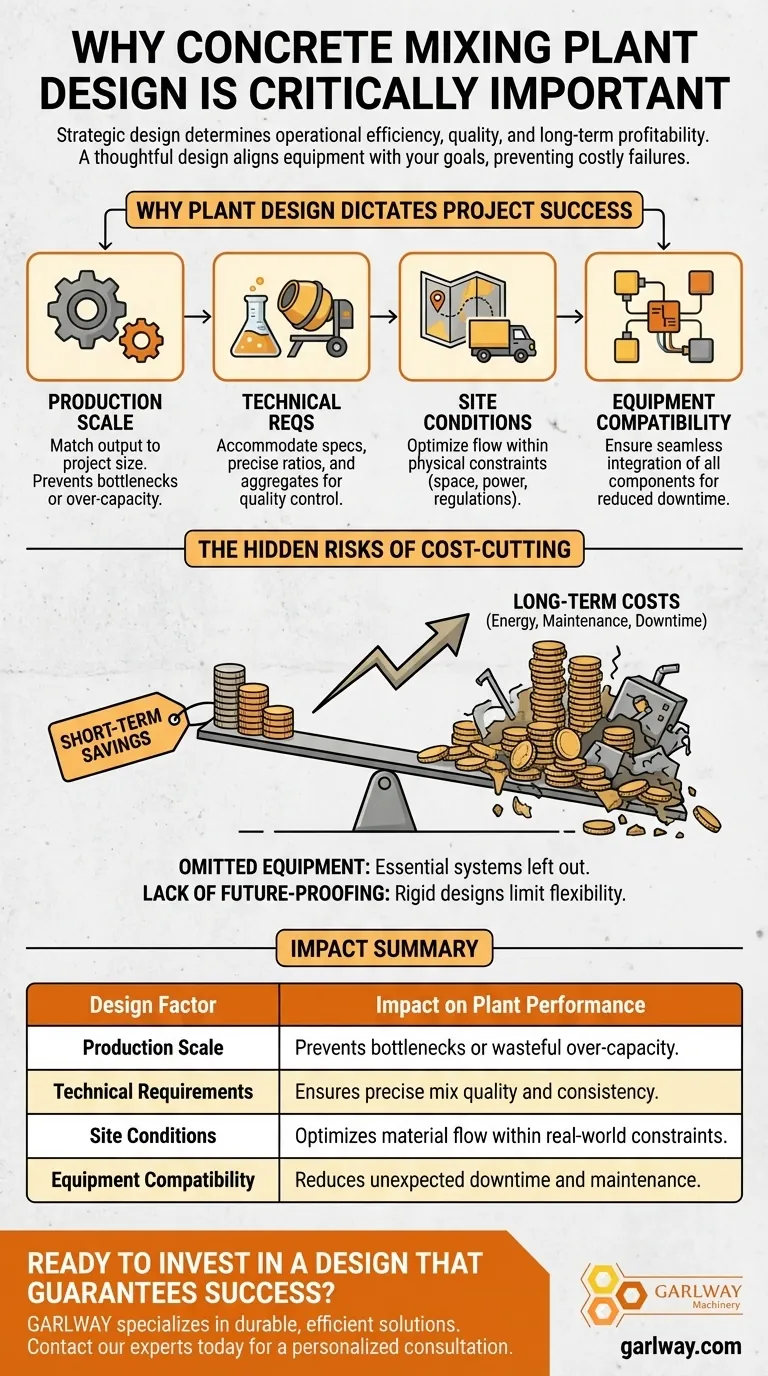
The physical location imposes significant constraints. A well-designed plant considers the available space, access for delivery trucks, power and water availability, and environmental regulations. The layout of silos, conveyors, and the mixer must optimize material flow within these real-world limitations.
Ensuring Equipment Compatibility
A plant is a chain of interconnected components. An effective design ensures that every piece of equipment, from the aggregate bins to the control system, works together seamlessly. Incompatibility between components can cause unexpected downtime and maintenance headaches.
Understanding the Trade-offs and Hidden Risks
The most significant risks in plant design often stem from the temptation to reduce the initial purchase price. This short-term saving can lead to severe long-term consequences.
The Pitfall of Omitted Equipment
To lower costs, some manufacturers may propose designs that omit essential components. This can include crucial systems like dust collectors, accurate moisture sensors for aggregates, or sufficiently robust weighing systems. While the plant may function initially, these omissions inevitably lead to quality control failures, environmental compliance issues, and inconsistent production.
Short-Term Savings vs. Long-Term Costs
A cheaper, poorly designed plant almost always costs more to operate. Higher energy consumption, increased maintenance requirements, frequent downtime, and wasted materials quickly erode any initial savings. The design directly impacts the total cost of ownership over the plant's entire lifecycle.
A Lack of Future-Proofing
A rigid design tailored to a single project may be cheaper upfront but offers no flexibility. A superior design considers future needs, allowing for modular upgrades or adjustments to handle different types of projects. This adaptability extends the useful life and return on investment of the equipment.
Making the Right Choice for Your Project
Selecting the right plant design requires a clear understanding of your primary objectives. Your evaluation should be guided by your specific operational and financial goals.
- If your primary focus is high-volume, long-term production: Prioritize durability, automation for consistency, and a logical layout that optimizes material flow and minimizes operational labor.
- If your primary focus is mobility for multiple or remote sites: Emphasize a modular design that allows for rapid transport, assembly, and disassembly with minimal specialized equipment.
- If your primary focus is a strict budget: Identify the non-negotiable components essential for quality and reliability, and be wary of designs that achieve a low price by omitting them.
Ultimately, investing in a well-conceived plant design is an investment in predictable quality and operational excellence.
Summary Table:
| Design Factor | Impact on Plant Performance |
|---|---|
| Production Scale | Prevents bottlenecks or wasteful over-capacity. |
| Technical Requirements | Ensures precise mix quality and consistency. |
| Site Conditions | Optimizes material flow within real-world constraints. |
| Equipment Compatibility | Reduces unexpected downtime and maintenance. |
Ready to invest in a concrete batching plant design that guarantees your project's success?
GARLWAY specializes in engineering durable and efficient construction machinery, including concrete batching plants, mixers, and winches for construction companies and contractors globally. Our tailored designs are built to maximize your operational efficiency, ensure consistent high-quality output, and deliver a superior return on investment.
Contact our experts today for a personalized consultation and let us design a solution that perfectly matches your project's scale, site, and technical requirements.
Visual Guide
Related Products
- HZS35 Small Cement Concrete Mixing Batch Plant
- HZS120 Ready Mix Concrete Batching Plant Commercial Mud Cement Mixer
- HZS75 Concrete Batching Plant Cement Mixer Price Concrete Mixer Bunnings Mixing Plant
- HZS180 Ready Mix Concrete Plant for Foundations with Sand and Cement
- Commercial Electric Concrete Mixer Machine HZS 50 Small Batch Plant for Sale
People Also Ask
- Why buy concrete batch plant parts only from the manufacturer? Protect Your Investment and Maximize Uptime
- Why is proper maintenance important for a concrete batch mix plant? Maximize Uptime & Profitability
- What is the advantage of a mobile concrete batching plant? Achieve On-Site Production & Total Control
- What are the advantages and disadvantages of concrete batching plants? Maximize Quality & Efficiency
- What are the two methods of material charging in a concrete mixing station? Single vs. Multiple Charging Explained