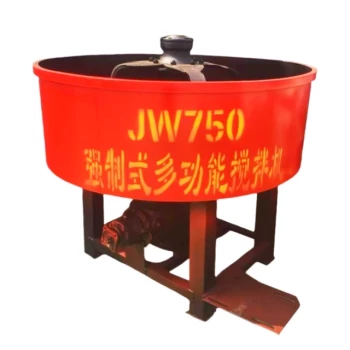
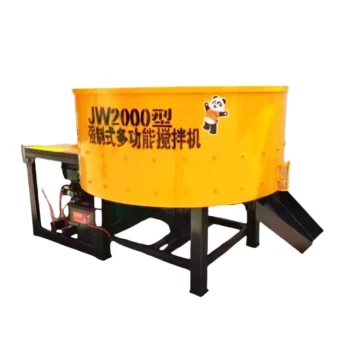
The primary purpose of Ready-Mixed Concrete (RMC) is to deliver a finished, precisely manufactured concrete product directly to a construction site. This service is for projects where mixing concrete on-site is either impractical, inefficient, or cannot meet the required quality standards. It effectively outsources the complex process of concrete production to a specialized facility.
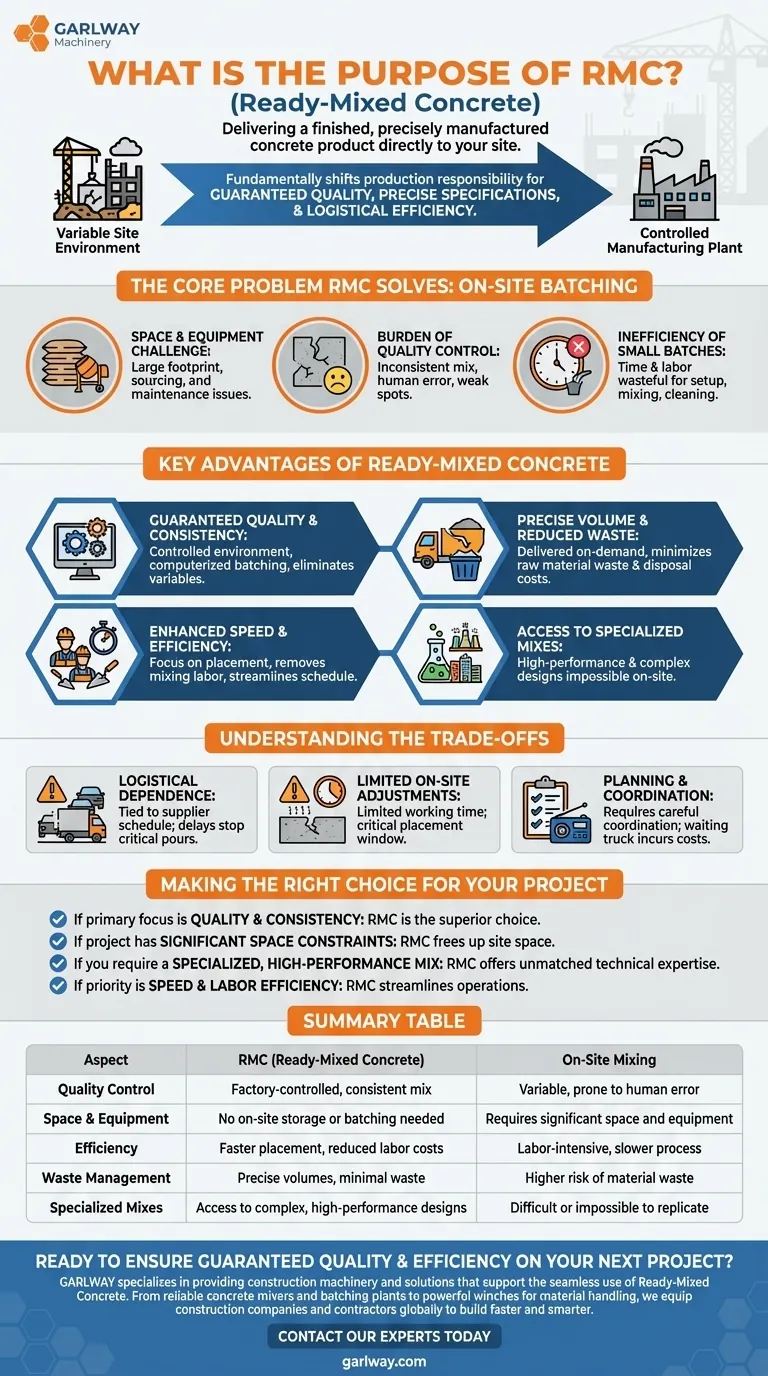
RMC fundamentally shifts the responsibility of concrete production from the variable environment of a construction site to the controlled conditions of a manufacturing plant. This decision prioritizes guaranteed quality, precise specifications, and logistical efficiency.
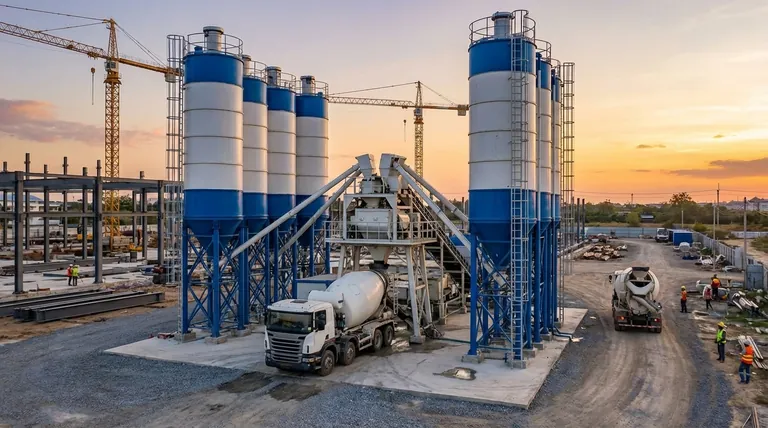
The Core Problem RMC Solves: On-Site Batching
Mixing concrete on a construction site, known as site batching, introduces significant challenges that RMC is designed to overcome.
The Challenge of Space and Equipment
On-site mixing requires a large footprint for storing raw materials like cement, sand, and aggregates. It also necessitates sourcing and maintaining batching equipment and mixers, which may not be feasible on congested urban sites.
The Burden of Quality Control
Achieving a consistent, high-quality concrete mix on-site is difficult. Factors like inconsistent moisture in aggregates, improper proportioning, and human error can lead to weak spots and structural defects.
The Inefficiency of Small Batches
For projects requiring small or intermittent pours, the time and labor spent setting up, mixing, and cleaning equipment can be highly inefficient and wasteful.
Key Advantages of Using Ready-Mixed Concrete
By centralizing production at a batching plant, RMC provides several distinct advantages over traditional on-site mixing.
Guaranteed Quality and Consistency
RMC is produced in a controlled environment using computerized batching systems. This ensures every single delivery meets the exact mix design required for strength, durability, and workability, eliminating on-site variables.
Precise Volume and Reduced Waste
The concrete is delivered on-demand in the specific quantity required for the job. This minimizes the raw material waste and disposal costs that are common with site batching.
Enhanced Speed and Efficiency
Using RMC allows construction crews to focus entirely on placing and finishing the concrete. It removes the labor-intensive task of mixing, streamlining the project schedule and reducing overall labor costs.
Access to Specialized Mixes
RMC plants can produce a wide variety of specialty and high-performance concrete mixes. These complex designs would be extremely difficult, if not impossible, to replicate with the limited equipment available at a typical construction site.
Understanding the Trade-offs
While highly beneficial, opting for RMC introduces a different set of considerations that must be managed.
Logistical Dependence
Your project schedule becomes tied to the RMC supplier. Any delays due to traffic, plant issues, or truck availability can bring a critical pour to a standstill.
Limited On-Site Adjustments
Once the truck arrives, the concrete has a limited working time before it begins to set. There is very little flexibility to make adjustments, creating a critical window for placement and finishing.
Planning and Coordination
Effective use of RMC requires careful coordination. The site must be fully prepared to receive the delivery, as a waiting truck incurs costs and risks the concrete losing its viability.
Making the Right Choice for Your Project
Choosing RMC is a strategic decision based on the specific constraints and priorities of your construction project.
- If your primary focus is quality and consistency: RMC is the superior choice, as the factory-controlled process eliminates the variables of on-site mixing.
- If your project has significant space constraints: RMC is often the only feasible option, freeing up valuable site space by removing raw material storage and batching equipment.
- If you require a specialized, high-performance mix: RMC provides access to technical expertise and production capabilities that cannot be matched on-site.
- If your priority is speed and labor efficiency: RMC streamlines operations by delivering a finished product, allowing your team to focus on placement rather than production.
Ultimately, Ready-Mixed Concrete serves to de-risk a critical component of construction by delivering a reliable, consistent, and engineered product on demand.
Summary Table:
| Aspect | RMC (Ready-Mixed Concrete) | On-Site Mixing |
|---|---|---|
| Quality Control | Factory-controlled, consistent mix | Variable, prone to human error |
| Space & Equipment | No on-site storage or batching needed | Requires significant space and equipment |
| Efficiency | Faster placement, reduced labor costs | Labor-intensive, slower process |
| Waste Management | Precise volumes, minimal waste | Higher risk of material waste |
| Specialized Mixes | Access to complex, high-performance designs | Difficult or impossible to replicate |
Ready to ensure guaranteed quality and efficiency on your next project?
GARLWAY specializes in providing construction machinery and solutions that support the seamless use of Ready-Mixed Concrete. From reliable concrete mixers and batching plants to powerful winches for material handling, we equip construction companies and contractors globally to build faster and smarter.
Contact our experts today to discuss how our equipment can optimize your concrete operations and de-risk your project timeline.
Visual Guide
Related Products
- HZS180 Ready Mix Concrete Plant for Foundations with Sand and Cement
- Ready Mixer Machine for Construction Ready Mix Machinery
- Portable Ready Mix Concrete Mixer Equipment
- HZS120 Ready Mix Concrete Batching Plant Commercial Mud Cement Mixer
- HZS25 Best Cement Mixer for Quick Mix Concrete at Bunnings
People Also Ask
- What is a ready mix concrete batching plant? The Engine of Modern Construction
- What is the name of the machine used in ready mix? Unpacking the Complete Concrete System
- What systems are included in a ready-mix concrete plant? A Guide to the 6 Core Systems
- How does a ready-mix concrete plant work? A Guide to Efficient, High-Quality Production
- What are the components of a ready mix concrete plant? A Guide to Precision and Efficiency