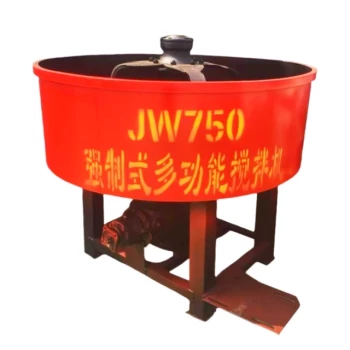
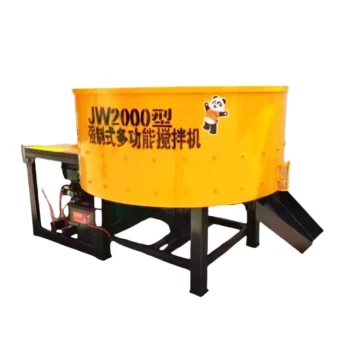
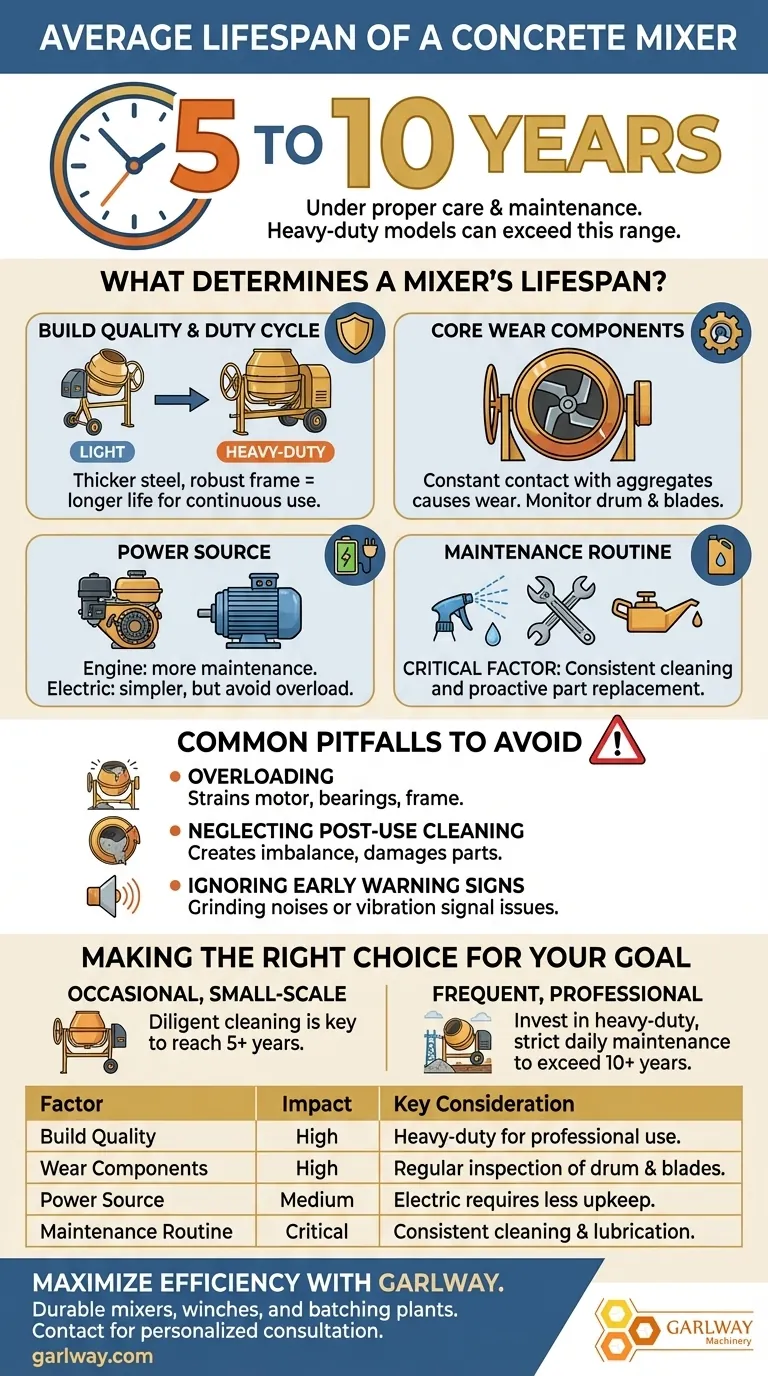
Under proper care, a high-quality concrete mixer typically has a lifespan of 5 to 10 years. This range is heavily influenced by the machine's build quality, the intensity of its use, and most importantly, the consistency of its maintenance routine. Heavy-duty models can often exceed this range when operated under the right conditions.
The lifespan of a concrete mixer is not a fixed number but a direct outcome of its operational environment and maintenance discipline. Consistent cleaning and proactive part replacement are the keys to maximizing your investment, often extending a machine's useful life far beyond the average.
What Determines a Mixer's Lifespan?
The "5 to 10 year" average is a useful benchmark, but several distinct factors determine where a specific machine will fall on that spectrum. Understanding these variables is crucial for both purchasing decisions and maintenance planning.
The Impact of Build Quality and Duty Cycle
Not all mixers are created equal. A small, portable mixer with a 140-liter drum is designed for intermittent, small-scale projects. Its components are engineered for lighter loads and less frequent use.
In contrast, a heavy-duty, industrial-grade mixer is built with thicker steel, a more robust frame, and a more powerful motor. It is designed for the daily, continuous operation found on substantial construction sites.
Core Wear Components: The Drum and Blades
The heart of the mixer is its rotating drum and internal blades. These components are in constant contact with abrasive aggregates like sand and gravel, leading to continuous wear.
The condition of the drum's interior and the integrity of the mixing blades are primary indicators of the machine's overall health and remaining lifespan.
The Power Source: Engine vs. Electric Motor
The engine or electric motor that drives the drum is another critical factor. Gas-powered engines offer portability but require more maintenance, including oil changes and filter replacements.
Electric motors are generally simpler and require less upkeep, but their longevity is still dependent on preventing overload and ensuring proper electrical supply. The quality of this core component directly impacts the machine's reliability.
The Most Common Pitfalls to Avoid
Many mixers fail prematurely not due to inherent defects, but due to operational errors and neglect. Avoiding these common mistakes is the single most effective way to extend the life of your equipment.
Overloading the Drum
Exceeding the mixer's rated capacity is a primary cause of premature failure. Overloading puts excessive strain on the motor, bearings, belts, and the structural frame, accelerating wear on every part of the machine.
Neglecting Post-Use Cleaning
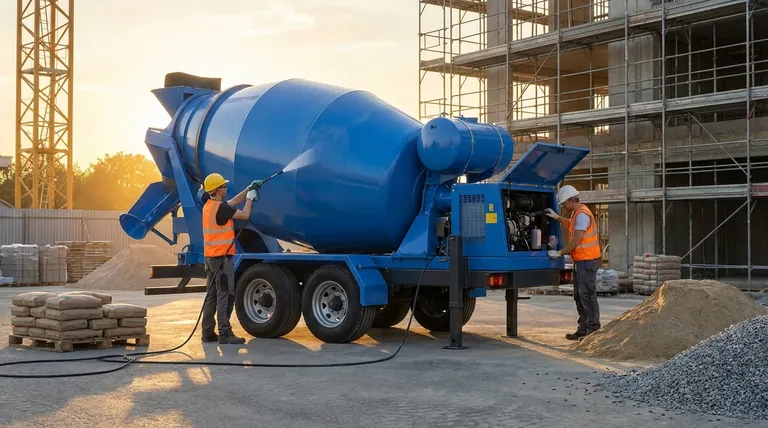
The single most destructive habit is failing to clean the mixer immediately after use. Concrete that hardens inside the drum creates severe imbalances, which can damage bearings and the motor. It also drastically reduces mixing efficiency and capacity.
Ignoring Early Warning Signs
Unusual grinding noises, excessive vibration, or a noticeable decline in mixing performance are not minor annoyances. They are clear signals of underlying mechanical issues. Ignoring them allows small, fixable problems to escalate into catastrophic and expensive failures.
Making the Right Choice for Your Goal
Your approach to selecting and maintaining a mixer should align directly with your operational needs.
- If your primary focus is occasional, small-scale projects: A portable mixer is sufficient, but diligent cleaning after every use is non-negotiable to reach the 5+ year mark.
- If your primary focus is frequent, professional use: Invest in a heavy-duty model and implement a strict daily maintenance log for cleaning, lubrication, and inspection to reliably exceed the 10-year average.
A concrete mixer's longevity is ultimately a direct reflection of the care it receives.
Summary Table:
| Factor | Impact on Lifespan | Key Consideration |
|---|---|---|
| Build Quality & Duty Cycle | High | Heavy-duty models for professional use last longer than light-duty ones. |
| Core Wear Components | High | Regular inspection of the drum and blades is crucial. |
| Power Source | Medium | Electric motors require less upkeep than gas engines. |
| Maintenance Routine | Critical | Consistent cleaning and lubrication are the most important factors. |
Maximize your project efficiency and ROI with a reliable concrete mixer from GARLWAY.
Choosing the right equipment is the first step to a long and productive service life. GARLWAY specializes in manufacturing durable construction machinery, including robust concrete mixers, winches, and batching plants designed for the demands of construction companies and contractors.
We understand that your profitability depends on reliable equipment. Let us help you select a mixer that matches your project scale and frequency, ensuring you get the best value and performance.
Contact GARLWAY today for a personalized consultation and discover how our solutions can power your success.
Visual Guide
Related Products
- Portable Concrete Mixer Machine Equipment for Mixing Concrete
- Construction Products Concrete Plant Machine Mixing Concrete Mixer
- Portable Electric Concrete Mixer Machine for Cement Mixing
- Concrete Cement Mixer Machine Drum Mixer for Construction
- HZS90 Large Multiquip Concrete Mixers for Construction
People Also Ask
- Why is it necessary to use a portable concrete mixer? Gain Total Control & Efficiency
- How much concrete can you pour with a portable mixer? Find the Perfect Fit for Your Project
- What types of projects are portable concrete mixers suitable for? Ideal for DIY & Small-Scale Construction
- How much does a portable concrete mixer hold? A Guide to Choosing the Right Capacity
- What types of portable concrete mixers exist? Find the Perfect Mixer for Your Project