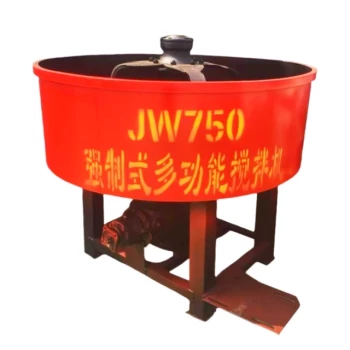
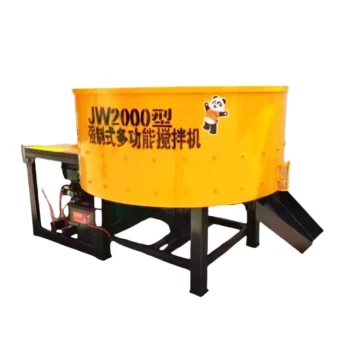
To answer your question directly, concrete machine mixers are typically categorized into three to five main types based on their mixing action and design. The most common classifications include tilt-drum, twin-shaft, single-shaft, pan, and planetary mixers.
The choice of a concrete mixer is not about which type is universally "best," but about matching the mixer's specific strengths—such as batch size, mixing intensity, or precision—to the demands of the final concrete application.
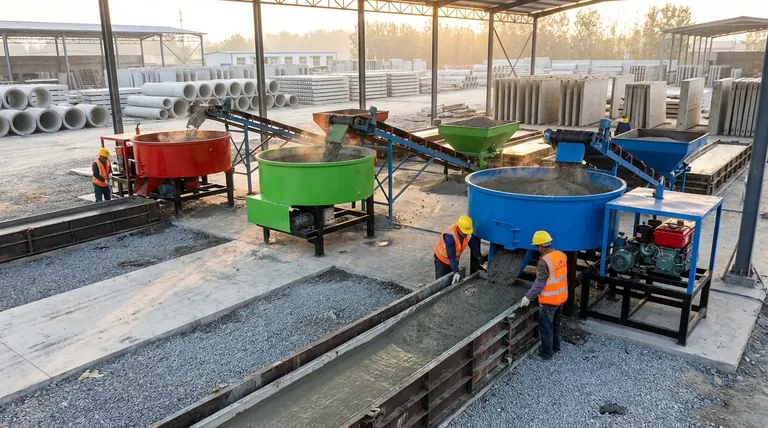
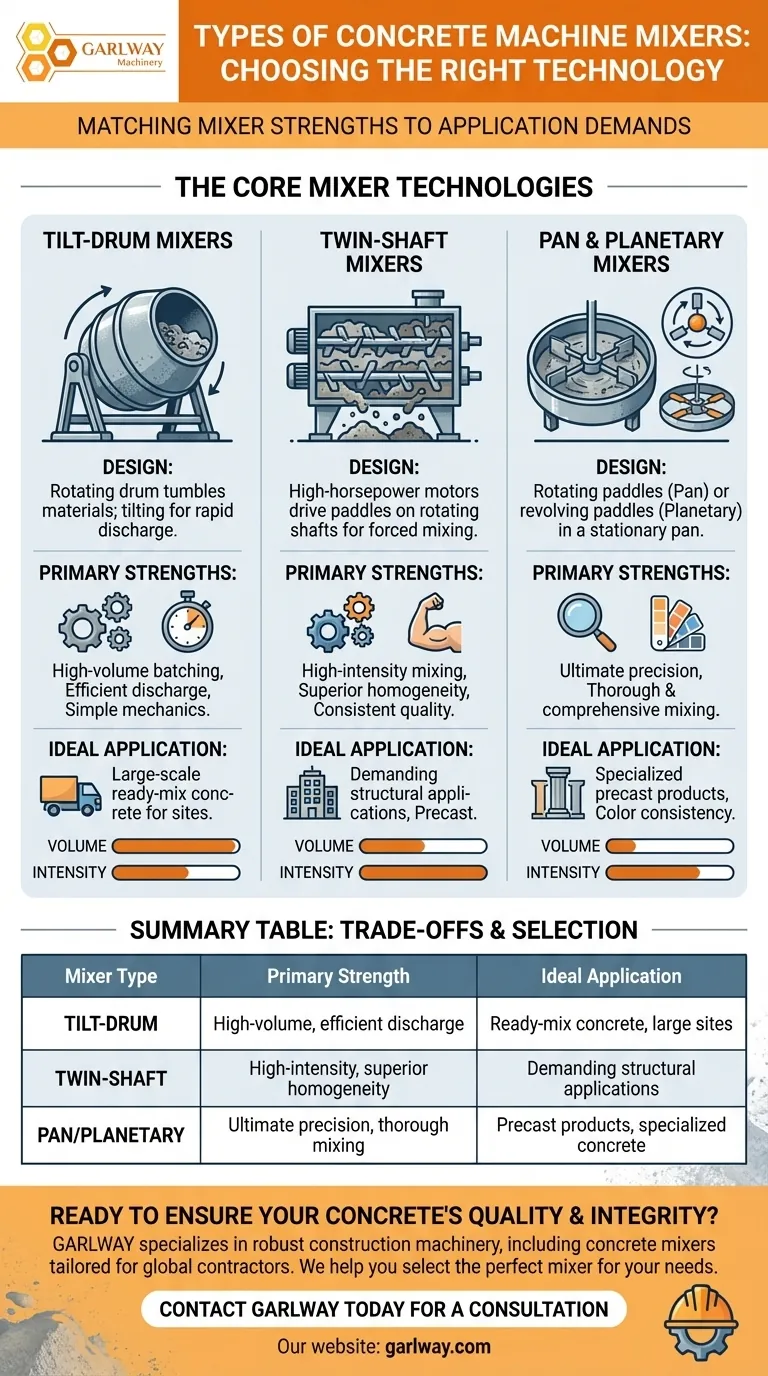
The Core Mixer Technologies
Understanding the fundamental design of each mixer type is key to appreciating its intended use. Each is engineered to solve a different set of problems related to volume, consistency, and material type.
Tilt-Drum Mixers
This is the classic, large-capacity mixer predominant in North America. Its design involves a rotating drum that tumbles aggregates, cement, and water.
The "tilting" function allows for rapid and complete discharge of the mixed concrete, making it highly efficient for large-volume ready-mix operations.
Shaft Mixers (Twin and Single)
These mixers, particularly the twin-shaft variety, are more common in Europe and are known for producing a highly consistent mix. They operate with high-horsepower motors that drive paddles on rotating shafts.
This creates a forced, intense mixing action that ensures all components are evenly distributed, resulting in a very homogeneous final product. They are often considered reversing or non-tilting types.
Pan and Planetary Mixers
These mixers are the specialists of the concrete world, often found in precast plants where quality and precision are paramount.
A pan mixer uses rotating paddles inside a stationary pan. A planetary mixer is a more advanced version where the paddles not only rotate on their own axes but also revolve around a central point in the pan, ensuring every bit of the mixture is processed.
Understanding the Trade-offs
Each mixer design comes with a distinct set of advantages and limitations. The decision always involves a trade-off between volume, mix quality, and cost.
The Tilt-Drum Advantage: Volume and Simplicity
The primary strength of the tilt-drum mixer is its ability to produce very large batches of concrete efficiently. Its mechanical design is relatively simple, which can lead to lower maintenance costs.
However, its tumbling action may be less intense than that of a shaft mixer, which could be a factor for certain high-performance concrete specifications.
The Twin-Shaft Advantage: Homogeneity and Speed
The forced mixing action of a twin-shaft mixer is its greatest asset. It produces an extremely uniform and high-quality mix in a shorter amount of time.
This makes it ideal for projects where strength and consistency are critical. The trade-off may be a higher initial investment and more complex mechanics.
The Pan/Planetary Niche: Ultimate Precision
For precast concrete products, color consistency, and architectural elements, there is no substitute for the precision of a pan or planetary mixer.
Their comprehensive mixing action guarantees a perfectly homogeneous batch, but they are not designed for the high-volume output needed for large-scale construction sites.
Selecting the Right Mixer for Your Application
Your choice should be dictated entirely by the requirements of your project.
- If your primary focus is maximum batch volume for ready-mix concrete: Tilt-drum mixers are the industry standard for their efficiency and large capacity.
- If your primary focus is a high-quality, homogeneous mix for demanding structural applications: A twin-shaft mixer provides the necessary intensity and consistency.
- If your primary focus is producing specialized precast concrete products: Pan or planetary mixers offer the absolute precision required for these high-value applications.
Choosing the correct mixer is the foundational step toward ensuring the integrity and quality of your final concrete product.
Summary Table:
| Mixer Type | Primary Strength | Ideal Application |
|---|---|---|
| Tilt-Drum | High-volume batching, efficient discharge | Ready-mix concrete for large sites |
| Twin-Shaft | High-intensity mixing, superior homogeneity | Demanding structural applications |
| Pan/Planetary | Ultimate precision, thorough mixing | Precast products, specialized concrete |
Ready to Ensure Your Concrete's Quality and Integrity?
Choosing the right concrete mixer is critical to your project's success. GARLWAY specializes in providing robust and efficient construction machinery, including a range of concrete mixers and batching plants tailored for construction companies and contractors globally.
We can help you select the perfect mixer—whether you need high volume, superior consistency, or specialized precision—to guarantee the quality of your final product and optimize your operations.
Contact GARLWAY today for a personalized consultation and discover how our solutions can build a stronger foundation for your business.
Visual Guide
Related Products
- Portable Concrete Mixer Machine Equipment for Mixing Concrete
- Construction Products Concrete Plant Machine Mixing Concrete Mixer
- Portable Electric Concrete Mixer Machine for Cement Mixing
- JZC400 Mobile Small Concrete Mixer Cement Mixer Machine
- Hydraulic Concrete Mixer Machine Cement Mixing Equipment for Mixture Concrete
People Also Ask
- Why is it necessary to use a portable concrete mixer? Gain Total Control & Efficiency
- How much concrete can you pour with a portable mixer? Find the Perfect Fit for Your Project
- What types of projects are portable concrete mixers suitable for? Ideal for DIY & Small-Scale Construction
- How much does a portable concrete mixer hold? A Guide to Choosing the Right Capacity
- What types of portable concrete mixers exist? Find the Perfect Mixer for Your Project