Introduction
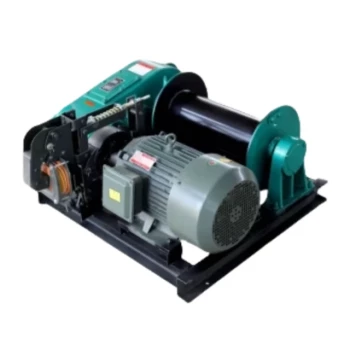
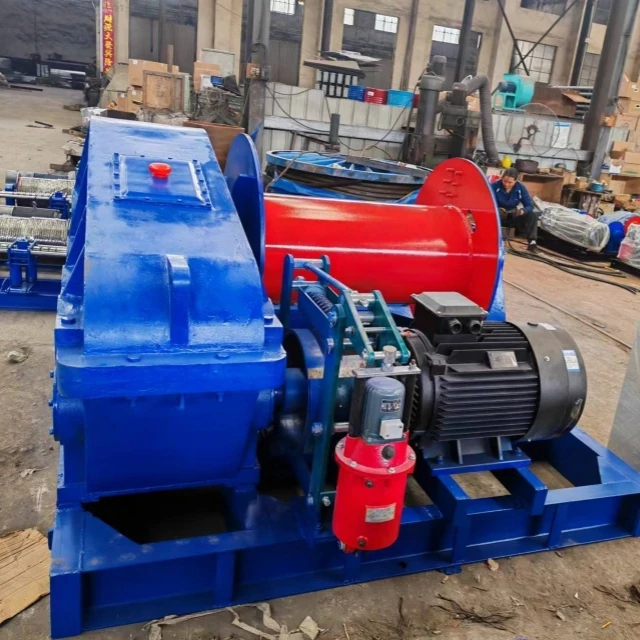
Construction professionals constantly seek tools that deliver measurable improvements in labor efficiency and cost control. Winches—often overlooked in favor of more conspicuous equipment—offer systematic solutions to these challenges. This article quantifies how strategic winch deployment reduces manual labor, slashes operational costs, and enhances job site safety. Whether you're evaluating electric versus hydraulic models or calculating ROI, we'll ground every insight in real-world performance data.
How Winches Systematically Reduce Manual Labor
Core Mechanisms of Labor Automation
Winches replace high-risk, labor-intensive tasks with precision mechanics. Consider these automation advantages:
- Vertical/Horizontal Versatility: Unlike hoists limited to vertical lifts, winches handle angled pulls (up to 360 degrees), streamlining material positioning without repositioning equipment.
- Load Consistency: Mechanized systems eliminate human fatigue variables—a winch maintains identical pull force whether it’s the first or fiftieth load of the day.
- Scalable Power: From maneuvering steel beams to positioning modular components, winches adapt to load requirements by simply adjusting line speed or drum capacity.
Ever wondered why crews waste hours manually dragging materials? A single winch can accomplish the same task in minutes.
Comparative Analysis: Winch Types and Their Use Cases
| Type | Best For | Limitations |
|---|---|---|
| Electric | Quick setup, intermittent use (e.g., equipment recovery) | High power draw; unsuitable for continuous heavy loads |
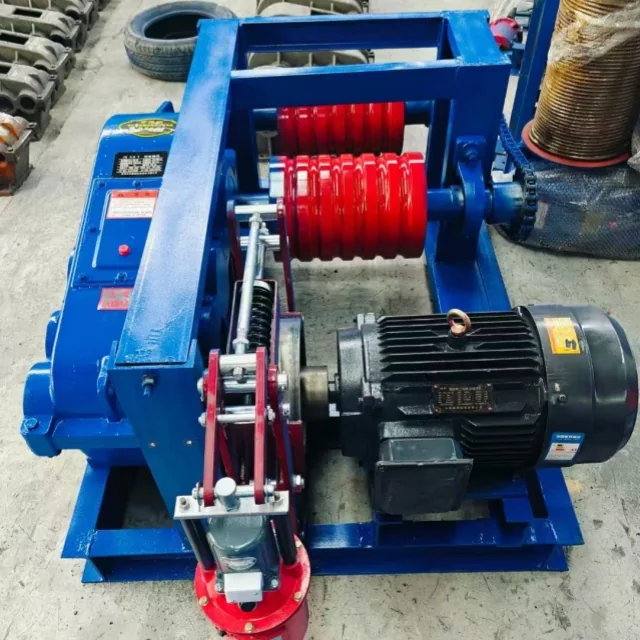
| Hydraulic | Heavy, sustained lifting (e.g., bridge components) | Requires hydraulic system; complex installation |
Key Takeaway: Electric models excel in mobility-focused tasks (e.g., vehicle-mounted recovery), while hydraulic winches dominate industrial-scale lifting where power consistency trumps portability.
Maximizing ROI Through Strategic Winch Deployment
Time and Cost Savings: Data-Driven Scenarios
A 2023 field study by Construction Technology Review compared traditional manual methods versus winch-assisted workflows:
- Labor Reduction: Installing 20 roof trusses manually required 8 workers × 6 hours. With a winch system, 3 workers completed the task in 2.5 hours—a 68% labor cost reduction.
- Fuel Efficiency: Vehicle-mounted winches minimized heavy crane usage, cutting diesel consumption by 40% on a highway overpass project.
Pro Tip: Pair winches with Garlway’s modular rigging systems to further reduce setup time and accessory costs.
Safety Gains: Reducing Workplace Injuries with Mechanized Lifting
The U.S. Bureau of Labor Statistics attributes 34% of construction injuries to overexertion or improper lifting. Winches mitigate these risks by:
- Eliminating Manual Load Handling: No workers need to be under suspended loads during positioning.
- Precision Control: Gradual load adjustments prevent sudden shifts that cause slips/falls.
- Fail-Safes: Built-in brake systems halt operations if overloads or instability are detected.
Think about the last near-miss incident on your site. Could a winch have prevented it?
Conclusion: Smart Procurement for Long-Term Gains
Winches aren’t just tools—they’re productivity multipliers. To extract maximum value:
- Audit Workflows: Identify repetitive lifting/dragging tasks ripe for automation.
- Match Winches to Needs: Prioritize electric models for mobility or hydraulic for heavy industrial use.
- Train Teams: Ensure operators understand load limits and angle dynamics to prevent equipment misuse.
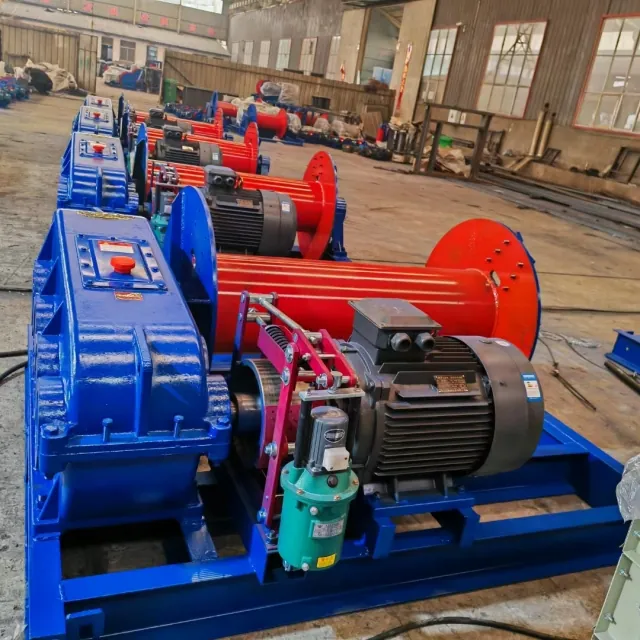
For projects demanding reliability, Garlway’s winch systems offer engineered durability without overcomplicating operations. The question isn’t whether you can afford a winch—it’s whether you can afford not to have one.
Related Products
- Warn Winch Windlass Boat Trailer Winch
- Electric and Hydraulic Winch for Heavy Duty Applications
- Small Electric Winch 120V and 240V for Compact Applications
- 12000 lb Electric Boat Trailer Winch with Windlass Anchor Warn
- Quick Windlass Portable Winch for Truck and Boat Best Boat Winch
Related Articles
- Beyond the Bumper: The Critical System Choice in Powering Your Trailer Winch
- Force vs. Mass: The Critical Difference in Sizing a Boat Winch
- Lines of Force: The Unseen Geometry of a Boat Winch
- More Than a Number: The Engineering Psychology of Choosing a Boat Winch
- How to Choose and Optimize Winch Speed for Maximum Efficiency