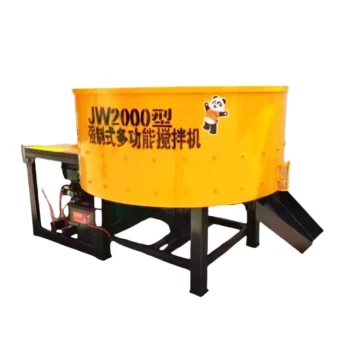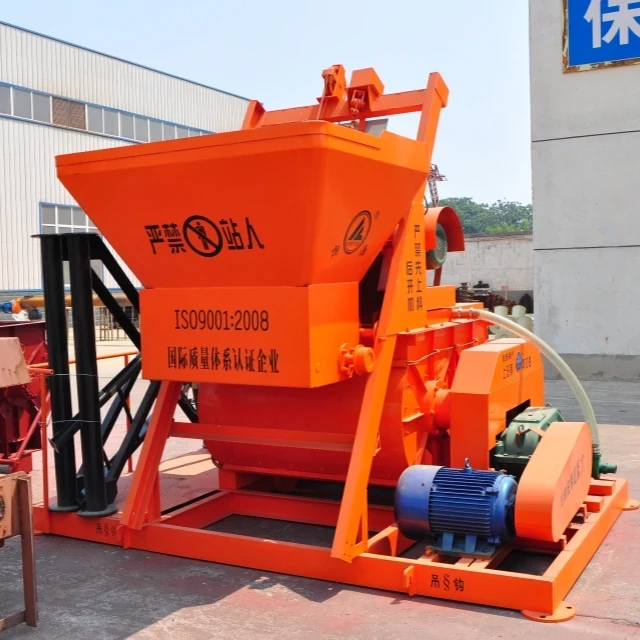
For contractors and DIY enthusiasts, concrete work often becomes the most labor-intensive—and costly—part of any project. Manual mixing consumes hours of backbreaking work, inflates payroll expenses, and leads to inconsistent results. Small cement mixers, like those from Garlway, transform this process by automating mixing tasks, slashing labor hours, and delivering long-term financial advantages.
This article reveals:
- The true cost of manual concrete mixing—from hidden payroll burdens to productivity losses
- How portable mixers streamline workflows, with real-world examples of time and money saved
- Beyond labor reduction: Additional savings from waste minimization and error prevention
Cost Savings Through Automated Labor Efficiency
The Hidden Expenses of Manual Concrete Mixing
Manual mixing isn’t just about wages paid per hour—it’s about inefficiency multipliers. Consider:
- Physical fatigue: Workers mixing by hand in wheelbarrows or tarps lose productivity after 1–2 hours, requiring rotations or breaks.
- Inconsistent batches: Uneven mixing leads to weaker concrete, risking rework or structural compromises.
- Opportunity cost: Time spent mixing is time not spent on other critical tasks, delaying project timelines.
Did you know? For small-scale projects, manual mixing can consume 30–50% of total labor hours—time that could be redirected to higher-value work.
How Small Mixers Streamline Workflow and Reduce Labor Hours
Portable cement mixers automate the most labor-intensive step:
- Speed: A Garlway mixer prepares a uniform batch in minutes, versus 15–20 minutes of manual effort per wheelbarrow load.
- Multitasking: Workers can oversee mixing while preparing forms or reinforcing steel, optimizing labor allocation.
- Scalability: Need 10 batches? A mixer handles it without added strain, while manual mixing would require extra workers.
Example: A contractor mixing 1 cubic yard manually might spend 3–4 hours with two workers. The same volume in a mixer takes under 1 hour with one operator.
Long-Term Financial Benefits Beyond Employee Reduction
The savings extend far beyond hourly wages:
- Equipment longevity: Reduced physical strain on workers lowers turnover and injury-related costs.
- Consistency: Fewer errors mean fewer callbacks or warranty claims.
- Bid competitiveness: Lower labor costs let you price projects more aggressively.
Practical Applications and Real-World Validation
Case Study: Contractor Savings with Small Mixers
A residential builder switching to Garlway’s portable mixers reported:
- Labor cut by 60% on foundation pours (from 12 hours to 5 hours per house).
- Material waste dropped 15% due to precise mixing ratios.
- Two fewer hires needed per crew, saving $45,000 annually in payroll and benefits.
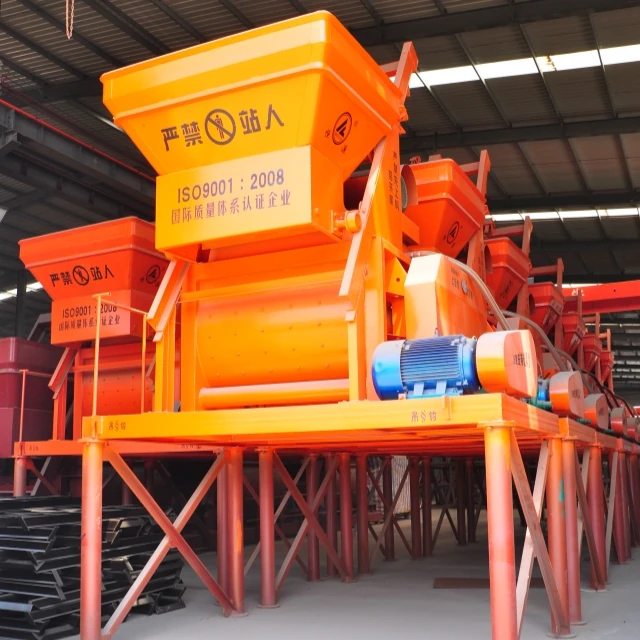
Comparing Manual vs. Automated Mixing ROI
| Factor | Manual Mixing | Small Cement Mixer |
|---|---|---|
| Labor Hours per Yard | 3–4 hours | 0.5–1 hour |
| Batch Consistency | Variable | Uniform |
| Project Scalability | Limited by crew size | Easily scaled |
| Annual Savings | — | $8,000–$20,000 |
Interactive question: What’s the biggest pain point in your current mixing process—time, cost, or quality control?
Minimizing Waste and Errors for Additional Savings
Portable mixers excel where manual methods falter:
- Precise ratios: Automated mixing ensures cement, sand, and aggregate blend evenly, reducing over-pouring or weak spots.
- No "leftover" waste: Mixers prepare exact volumes needed, unlike manual batches that often exceed requirements.
- Weather resilience: Consistent mixing minimizes water-content errors in humid or dry conditions.
Key Takeaways and Actionable Steps
Small cement mixers aren’t just tools—they’re profit multipliers. To maximize value:
- Audit labor hours spent on mixing versus other tasks.
- Calculate waste costs from manual batch inconsistencies.
- Test a mixer on a small project to compare time savings firsthand.
For contractors, the choice is clear: Reallocate labor from repetitive mixing to revenue-generating work. Garlway’s portable mixers offer a proven path to leaner budgets and faster timelines—without compromising quality.
Ready to rethink your concrete workflow? Explore how the right equipment can turn labor costs into long-term gains.
Related Products
- JDC350 Small Cement Concrete Mortar Mixer
- JZC400 Mobile Small Concrete Mixer Cement Mixer Machine
- Portable Electric Small Cement Mixer Concrete Machine
- HZS35 Small Cement Concrete Mixing Batch Plant
- Mini Cement Mortar Mixer Truck for Construction
Related Articles
- How Small Cement Mixers Solve Big Construction Challenges
- How to Optimize Small Cement Mixer Positioning for Maximum Job Site Efficiency
- How Small Cement Mixers’ Smart Design Saves Time and Reduces Strain
- How Small Cement Mixers Prevent Chronic Injuries in Construction Workers
- How Small Cement Mixers Deliver Cost-Efficiency, Health Safety, and Versatility