Introduction
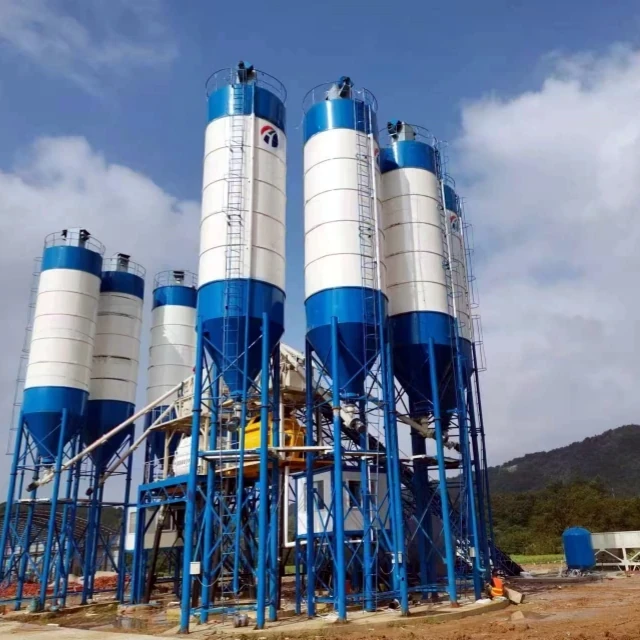
Cement silos are the unsung heroes of construction, silently ensuring the purity of concrete by preventing contamination during storage. Poor silo design can introduce moisture, foreign particles, or chemical reactions that compromise structural integrity—leading to costly failures. This article reveals the engineering safeguards in modern silo systems, from airtight seals to advanced discharge mechanisms, and how these features directly translate to durable infrastructure and cost savings.
Cement Silos as the Guardian of Concrete Integrity
Concrete’s strength hinges on the chemical consistency of its cement base. Contamination—even at 1%—can reduce compressive strength by up to 15%, according to industry studies. Silos act as the first line of defense through:
- Isolation from environmental factors: Humidity and temperature fluctuations trigger cement hydration or clumping.
- Barrier against pollutants: Dust, debris, or residual materials from previous batches alter mix ratios.
Ever wondered why some concrete structures crack prematurely? Contaminated cement is often the hidden culprit.
Mechanisms of Contamination in Cement Storage
Three primary contamination pathways demand engineering solutions:
-
Moisture Intrusion
- Leaky seams or condensation inside silos activate cement particles prematurely.
- Example: A 2022 bridge project in Texas saw delays due to cement hardening inside the silo from a faulty moisture barrier.
-
Cross-Contamination
- Residual materials from prior storage (e.g., fly ash) chemically react with new cement loads.
- Solution: Dedicated silos or thorough cleaning protocols between batches.
-
Poor Discharge Practices
- Inefficient augers or "rat-holing" (uneven flow) leave stagnant cement prone to hardening.
Critical Silo Design Features for Contamination Control
Leading manufacturers implement these non-negotiable features:
1. Airtess Construction
- Welded seams replace bolted joints to eliminate moisture entry points.
- Nitrogen inerting systems displace oxygen, preventing oxidation in sensitive blends.
2. Smart Discharge Technology
- Fluidizing pads at silo bases use compressed air to break clumps, ensuring complete material flow.
- Mass flow design (vs. funnel flow) prevents material stagnation with steep hopper angles.
3. Monitoring Systems
- Humidity sensors trigger alarms at 40% RH thresholds—critical for coastal projects.
- Load cells detect uneven weight distribution, signaling potential rat-holing.
Think of a silo like a thermos: if it doesn’t seal perfectly, your coffee turns cold—or in this case, your cement turns useless.
Industry Standards and Technological Innovations
Regulatory frameworks like EN 13732 (EU) and ACI 304R (US) dictate silo design tolerances. Recent breakthroughs include:
- Self-cleaning silos: Internal vibrators automatically dislodge buildup after each discharge.
- IoT-enabled tracking: Real-time moisture and temperature data sync with batching plants to adjust mix ratios dynamically.
Real-World Impact of Silo Quality on Construction Projects
Case Study: Infrastructure Failure Linked to Poor Silo Design
A 2020 dam collapse in Quebec was traced to weakened concrete from silo-stored cement contaminated with gypsum. Forensic analysis revealed:
- Design flaw: Lack of baffles allowed gypsum pockets to form.
- Cost: $2.3M in repairs and 6-month delays.
Cost Savings from Contamination Prevention
- Material waste reduction: Proper silos cut cement loss by up to 8%.
- Labor efficiency: Automated systems reduce manual cleaning by 30 hours/month.
For projects using Garlway’s winch systems to position silos, pairing them with contamination-proof storage ensures end-to-end quality control—from material delivery to placement.
Conclusion: Building Trust Through Engineering Precision
Cement silos are more than storage tanks; they’re precision instruments safeguarding the backbone of construction. By prioritizing:
- Airtess materials
- Active flow management
- Real-time monitoring
Teams ensure concrete performs as engineered—pour after pour. For contractors, this means fewer callbacks, stronger reputations, and ultimately, structures that stand the test of time.
Actionable Takeaway: Audit your silos quarterly for seal integrity and sensor calibration. Prevention is always cheaper than remediation.
Related Products
- HZS35 Small Cement Concrete Mixing Batch Plant
- HZS120 Ready Mix Concrete Batching Plant Commercial Mud Cement Mixer
- Portable Cement Mixer with Lift Concrete Machine
- JW1000 Mobile Cement Mixer Concrete Mixer Truck and Batching Plant
- Commercial Construction Mixer Machine for Soil Cement Mixing Concrete
Related Articles
- How to Reduce Measurement Errors in Concrete Batching: Proven Strategies for Accuracy
- How Eco-Conscious Concrete Plants Achieve Low-Dust, Compliant Ground Surfaces
- How to Reduce Measurement Errors in Concrete Batching Plants: Proven Maintenance Protocols
- How Precision Batching Methods Shape Concrete Quality and Construction Efficiency
- How Advanced Concrete Batching Technology Cuts Costs and Boosts Sustainability






