Introduction
Selecting the right positioning method for small cement mixers can dramatically improve productivity, reduce energy waste, and adapt to challenging work environments. Whether you're managing urban renovations, remote rural projects, or multi-site operations, this guide breaks down the strategic placement of compact mixers—balancing mobility needs with site-specific constraints.
Positioning Methods for Job Site Efficiency
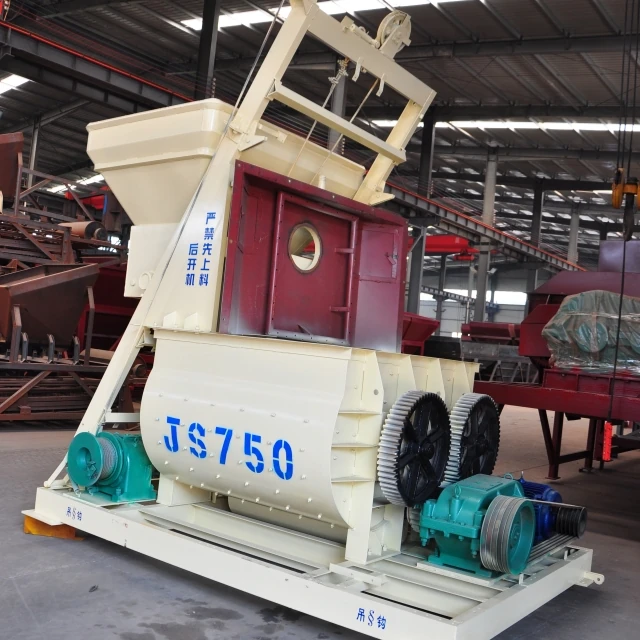
Stationary Mixer Setups for Stable Operations
Best for: High-volume concrete production in controlled environments
- Advantages:
- Consistent output for large batches
- Lower energy consumption per unit of concrete (stationary mixers avoid repeated relocation energy costs)
- Easier integration with fixed-site equipment (e.g., conveyor belts)
- Limitations:
- Requires flat, stable ground
- Inflexible for projects needing frequent relocation
Ever wondered why some contractors keep mixers stationary despite mobility demands? The answer lies in long-term cost efficiency.
Mobile Mixer Deployment Tactics
Best for: Projects with space constraints or shifting work zones
- Key Tactics:
- Use wheeled bases or skid-steer attachments for quick repositioning
- Prioritize lightweight designs (e.g., Garlway’s compact mixers) to reduce fuel consumption during moves
- Deploy on sites with uneven terrain using stabilizing jacks
- Trade-offs:
- Higher per-use energy costs due to frequent movement
- Smaller batch capacities
Truck-Mounted System Configurations
Best for: Multi-site operations or remote locations
- Why It Works:
- Combines transportation and mixing into one workflow
- Minimizes setup/teardown time between job sites
- Ideal for rural areas with poor road infrastructure (e.g., gravel or dirt paths)
- Considerations:
- Requires compatible truck chassis and loading equipment
- Higher upfront investment
Critical Selection Factors
Site Accessibility and Space Constraints
- Urban Sites: Opt for narrow-profile mobile mixers to navigate alleyways or crowded streets.
- Rural Sites: Truck-mounted systems overcome limited access to stationary power sources.
Material Volume vs. Mobility Frequency
| Scenario | Recommended Method |
|---|---|
| High volume, one site | Stationary mixer |
| Low volume, multi-site | Truck-mounted or mobile mixer |
Transportation Infrastructure Requirements
- Checklist:
- Road weight limits for truck-mounted units
- Availability of loading/unloading equipment
- Local regulations for mixer noise/dust emissions
Real-World Application Scenarios
Urban Renovation Projects
Challenge: Tight spaces, noise restrictions, and frequent repositioning.
Solution: Electric-powered mobile mixers reduce emissions and fit confined areas.
Remote Rural Construction
Challenge: No reliable power grid, rough terrain.
Solution: Truck-mounted diesel mixers with all-terrain stability.
Multi-Site Contracting Operations
Challenge: Time lost relocating equipment.
Solution: Dedicated transport vehicles with quick-release mixer mounts.
Conclusion & Actionable Advice
- Audit your site conditions first—measure space, access points, and power availability.
- Match mixer type to material needs—prioritize mobility only if batch volumes are low.
- Leverage modular systems like Garlway’s winch-compatible mixers for flexible deployments.
By aligning mixer positioning with project demands, contractors can cut costs, speed up timelines, and reduce physical strain on crews—proving that smart placement is as critical as the mixer itself.
Related Products
- JDC350 Small Cement Concrete Mortar Mixer
- JZC400 Mobile Small Concrete Mixer Cement Mixer Machine
- Portable Electric Small Cement Mixer Concrete Machine
- HZS35 Small Cement Concrete Mixing Batch Plant
- Mini Cement Mortar Mixer Truck for Construction
Related Articles
- How Small Cement Mixers Cut Labor Costs and Boost Project Value
- How Small Cement Mixers Solve Big Construction Challenges
- How Small Cement Mixers’ Smart Design Saves Time and Reduces Strain
- How Small Cement Mixers Prevent Chronic Injuries in Construction Workers
- How Small Cement Mixers Deliver Cost-Efficiency, Health Safety, and Versatility