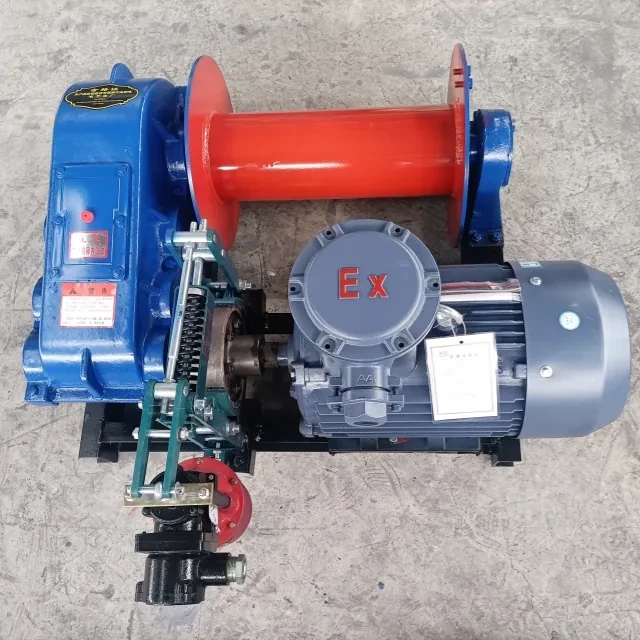
Every year, preventable accidents involving capstans result in costly downtime and injuries—often due to misunderstood physics or overlooked protocols. By demystifying the mechanics of drum winding and implementing structured safety measures, operators can transform these powerful tools into models of efficiency and reliability.
How Capstans Harness Leverage and Friction
The Physics of Force Amplification in Drum Winding
Capstans convert rotational force into linear motion through two key principles: mechanical advantage and friction. When a rope wraps around the drum, the tension on the free end multiplies exponentially with each wrap. Scientists often observe this phenomenon in maritime and construction settings—where a 100-pound pull can secure a 1,000-pound load with proper wraps.
Key variables influencing force amplification:
- Coefficient of friction between rope and drum (synthetic ropes typically require more wraps than steel cables)
- Contact angle (each 360° wrap increases grip exponentially)
- Drum diameter (smaller drums amplify friction but accelerate rope wear)
Ever wondered why tug-of-war teams lean back? The same physics apply: more wraps = more holding power.
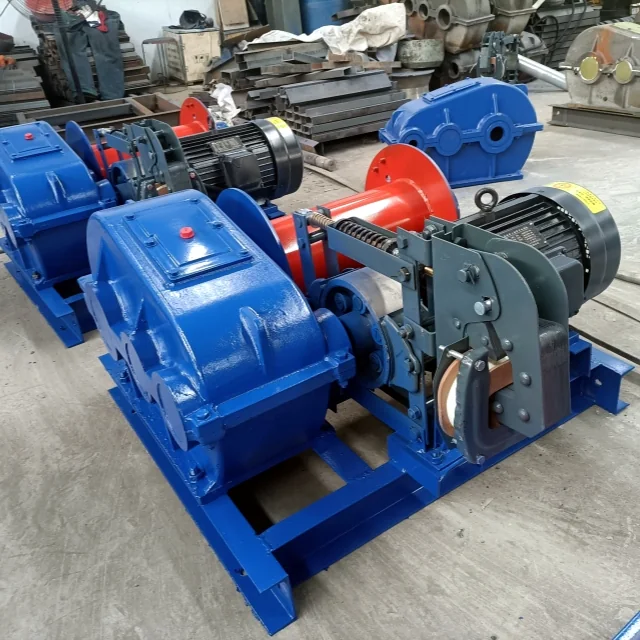
Why 4-6 Rope Wraps? Balancing Grip and Wear
Industry standards recommend 4-6 wraps as the "safety sweet spot." Fewer wraps risk slippage under load, while excessive wraps cause:
- Heat buildup from internal friction, degrading synthetic fibers
- Overlap jamming, especially with stiff or wet ropes
- Reduced efficiency, as extra wraps demand more rotational force
Pro Tip: For Garlway capstans, always inspect the drum’s groove condition—a worn surface diminishes friction by up to 40%, necessitating additional wraps.
Operational Best Practices for Industrial Capstans
Step-by-Step Guide to Safe Rope Winding Patterns
- Anchor the dead end first (secure it to a fixed point, not the capstan).
- Maintain uniform tension during wrapping to prevent loose coils.
- Overlap by 50% of the rope’s diameter—like shingling roof tiles—to avoid gaps.
- Terminate with a locking hitch (e.g., a half-hitch knot) for emergency holds.
Visual metaphor: Imagine wrapping a rubber band around your fingers—too loose, it snaps back; too tight, it cuts circulation. Capstan ropes behave similarly.
Role Allocation: Why Dedicated Personnel Are Non-Negotiable
A Yale University study on industrial accidents found that 73% of capstan-related incidents occurred during role confusion. Mandate:
- One "rope handler" to manage feed tension
- One "operator" to control drum speed
- One spotter to monitor load stability and wrap integrity
Interactive checkpoint: Could your team identify a misaligned wrap mid-operation? Conduct blindfold drills to sharpen tactile awareness.
Post-Operation Safety Protocols
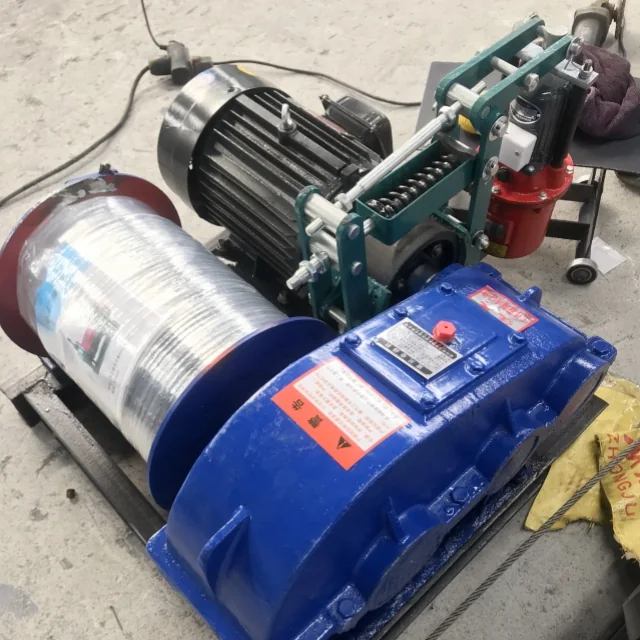
Securing the Push Rod: Preventing Unintended Activation
After shutdown, engage the mechanical lock on the push rod—a simple but critical step often omitted. In 2021, an unsecured push rod at a Texas construction site caused a capstan to spontaneously activate, dragging equipment into a trench.
Maintenance checklist:
- Lubricate locking mechanisms monthly to prevent seizing
- Replace worn detent pins immediately (they withstand 90% of activation force)
Maintenance Tips to Avoid Rope Degradation and Jamming
- Rotate ropes weekly to distribute wear evenly across the drum.
- Clean after wet use—saltwater residue accelerates fiber breakdown.
- Inspect for "hockles" (twisted sections that indicate internal damage).
For Garlway winches, use nylon-core ropes in high-heat environments; their melting point exceeds 400°F, unlike polyester.
Conclusion: Engineering Safety into Every Wrap
Capstans epitomize "work smarter, not harder"—when operators respect their mechanical limits and human factors. Key takeaways:
- Leverage friction science (4-6 wraps optimize grip vs. wear)
- Standardize roles to eliminate communication gaps
- Lock it down post-use; complacency breeds accidents
Final thought: These principles power everything from ship moorings to wind turbine installations. By mastering them, you’re not just following protocol—you’re safeguarding the teams who rely on these machines daily.
For equipment designed with these safety priorities in mind, explore Garlway’s range of heavy-duty winches, engineered for precision control in high-stakes environments.
Related Products
- Portable Electric Small Cement Mixer Concrete Machine
- JDC350 Small Cement Concrete Mortar Mixer
- Belle Mixer Drum Self Loading Mortar Mixers JS3000
- Portable Electric Concrete Mixer Machine for Cement Mixing
Related Articles
- How Small Cement Mixers’ Smart Design Saves Time and Reduces Strain
- How Small Cement Mixers Cut Labor Costs and Boost Project Value
- How Small Cement Mixers Deliver Cost-Efficiency, Health Safety, and Versatility
- How Small Cement Mixers Prevent Chronic Injuries in Construction Workers
- How to Optimize Small Cement Mixer Positioning for Maximum Job Site Efficiency


