The best type of concrete mixer is the one that aligns perfectly with your project's scale, required concrete quality, and logistical constraints. There is no single "best" mixer, as a small, portable drum mixer ideal for a patio is completely unsuitable for a commercial high-rise, which would require a high-intensity twin-shaft mixer as part of a larger batching plant.
The critical insight is to match the mixer's operational design—how it mixes and how it moves—to the specific demands of your job. The choice is a balance between concrete volume, quality consistency, and job site efficiency.
Core Mixer Categories: Batch vs. Continuous
The first and most fundamental decision is understanding the two primary modes of operation for concrete mixers. Every mixer falls into one of these categories.
Batch Mixers: The Industry Standard
Batch mixers produce concrete one specific volume, or "batch," at a time. This is the most common method, allowing for precise control over the mix design for each load.
These mixers are loaded with all ingredients (cement, aggregate, water), mixed for a set duration, and then completely emptied before the next cycle begins. This ensures high consistency.
Continuous Mixers: For Non-Stop Production
Continuous mixers, as the name implies, are loaded and discharge concrete without interruption. Raw materials are fed in continuously at one end, and mixed concrete flows out the other.
This type is ideal for very large-scale projects like dams or pavement construction where a constant, massive supply of concrete is needed without the stop-start cycle of batching.
Key Types of Batch Mixers by Mechanism
Within the batch mixer category, the specific mixing mechanism dramatically affects the concrete's quality and the mixer's ideal application.
Drum Mixers
This is the most recognizable type of mixer, featuring a rotating drum with internal fins or paddles. As the drum turns, it lifts the materials and lets them fall, relying on gravity to combine them.
They are excellent for general-purpose concrete. Tilting drum mixers offer the advantage of very fast discharge by simply tilting the drum down to pour out the mix.
Pan or Planetary Mixers
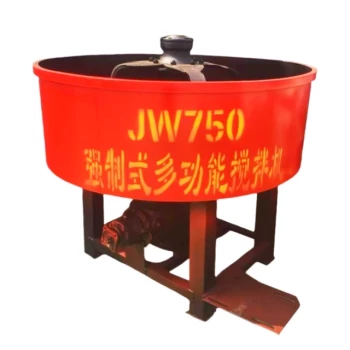
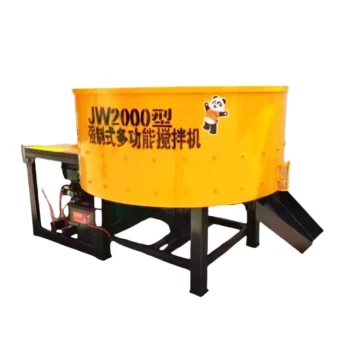
Pan mixers use a stationary cylindrical pan while one or more mixing stars with paddles rotate inside, moving through the material like a whisk. This forces a more energetic and thorough mix.
Planetary mixers are a high-performance variant where the stars not only rotate on their own axis but also revolve around the center of the pan, ensuring no part of the mix is left untouched. They produce very uniform, high-quality concrete.
Twin-Shaft Mixers
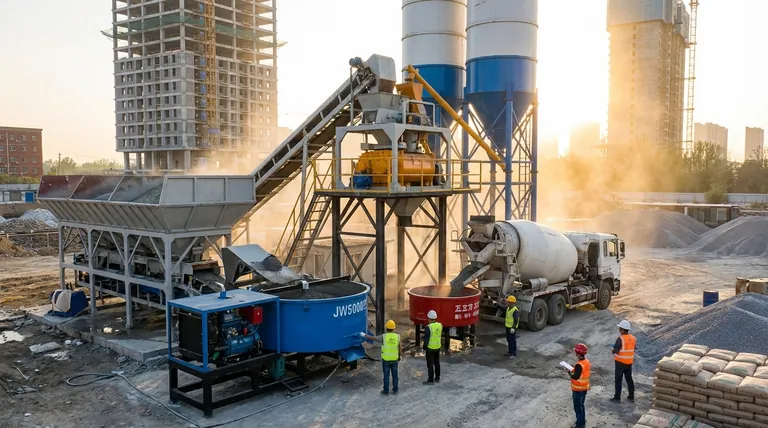
Considered the gold standard for high-strength and commercial-grade concrete, these mixers use two horizontal shafts with multiple paddles that rotate in opposite directions.
This creates an intense, compulsory mixing action in the center of the unit, ensuring rapid and extremely homogenous blending of all components. They are staples in precast factories and commercial batch plants.
Understanding Mobility and Application
Beyond the mixing mechanism, the mixer's physical form factor dictates where and how it can be used.
Portable Mixers
These are the small, often wheeled drum mixers common on residential and small commercial job sites. They are designed for easy transport and on-site mixing for foundations, sidewalks, and repair work.
Truck Mixers
These mobile units are essentially large drum mixers mounted on a truck chassis. They are designed to mix the concrete during transit from a batch plant to the job site, keeping it fresh and ready to pour upon arrival.
Specialized Mixers
For unique site challenges, specialized units exist. Self-loading mixers can scoop up their own aggregate and materials, making them a mobile batch plant for remote locations. Skid steer mixers attach to a skid steer, perfect for tight workspaces and versatile material handling.
The Critical Trade-offs
Choosing a mixer involves balancing competing priorities. Understanding these trade-offs is key to making a sound decision.
Quality vs. Speed
A twin-shaft mixer produces superior, homogenous concrete but is a large, stationary piece of equipment. A tilting drum mixer can discharge its load much faster but may not achieve the same level of compulsory mixing energy.
Portability vs. Volume
A portable mixer can be moved by one person but can only produce a very small amount of concrete at a time. A stationary batching plant can produce hundreds of cubic yards per hour but is a permanent installation.
Initial Cost vs. Consistency
Simple drum mixers are relatively inexpensive and low-maintenance. High-performance planetary or twin-shaft mixers represent a significant capital investment but deliver unparalleled consistency and quality control, which is critical for commercial production.
Making the Right Choice for Your Goal
Select your mixer based on the primary outcome you need to achieve.
- If your primary focus is small-scale DIY or repair work: A portable drum mixer offers the best balance of cost, mobility, and ease of use for small batches.
- If your primary focus is mid-sized construction (foundations, slabs): A larger capacity drum mixer or a skid steer attachment provides the necessary volume and on-site flexibility.
- If your primary focus is high-strength or commercial-grade concrete: A planetary or twin-shaft mixer is non-negotiable for achieving the required quality and consistency.
Ultimately, the right mixer is the tool that delivers the required concrete specification exactly where you need it, efficiently and reliably.
Summary Table:
| Mixer Type | Best For | Key Feature |
|---|---|---|
| Drum Mixer | Small-scale DIY, repair work | Portable, cost-effective |
| Pan/Planetary Mixer | High-quality, uniform concrete | Energetic, thorough mixing |
| Twin-Shaft Mixer | Commercial-grade, high-strength | Intense, homogenous blending |
| Truck Mixer | Ready-mix delivery | Mobile, keeps concrete fresh |
Still Unsure Which Mixer is Right for Your Project?
Let GARLWAY's experts help you make the perfect choice. We specialize in providing durable and efficient construction machinery, including winches, concrete mixers, and concrete batching plants, tailored to the needs of construction companies and contractors worldwide.
Contact us today for a personalized consultation and discover how our solutions can enhance your project's efficiency and concrete quality.
Visual Guide

Related Products
- Portable Concrete Mixer Machine Equipment for Mixing Concrete
- Construction Products Concrete Plant Machine Mixing Concrete Mixer
- Portable Electric Concrete Mixer Machine for Cement Mixing
- JZC400 Mobile Small Concrete Mixer Cement Mixer Machine
- Hydraulic Concrete Mixer Machine Cement Mixing Equipment for Mixture Concrete
People Also Ask
- Why is it necessary to use a portable concrete mixer? Gain Total Control & Efficiency
- How much concrete can you pour with a portable mixer? Find the Perfect Fit for Your Project
- What types of projects are portable concrete mixers suitable for? Ideal for DIY & Small-Scale Construction
- How much does a portable concrete mixer hold? A Guide to Choosing the Right Capacity
- What types of portable concrete mixers exist? Find the Perfect Mixer for Your Project