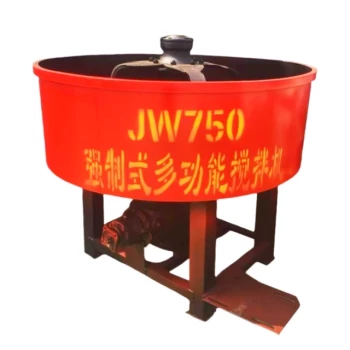
At their core, batch mixers are defined by their process: they handle a discrete, measured quantity of ingredients in a single cycle. These mixers typically use a cylindrical design where materials are loaded at one end, mixed thoroughly, and then the finished product is dispensed from the other end.
The fundamental characteristic of a batch mixer is its trade-off: it sacrifices continuous output for superior control, precision, and the flexibility to alter each individual batch.
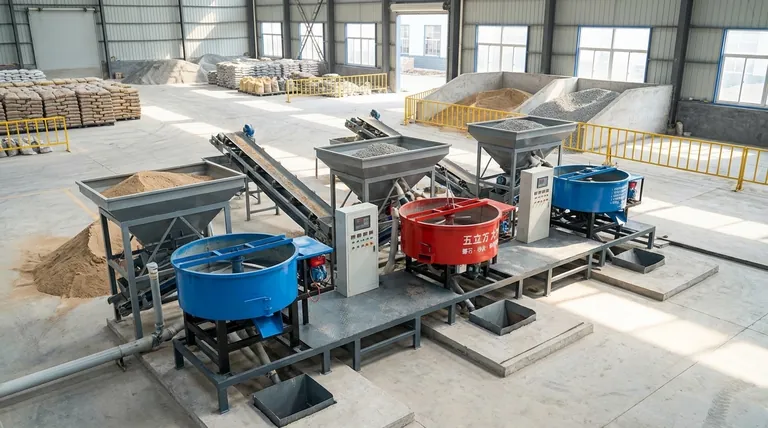
The Core Principle: Defined Quantity, High Control
The entire operation of a batch mixer revolves around the concept of a single, self-contained "batch." This approach offers distinct advantages for specific applications.
One Batch at a Time
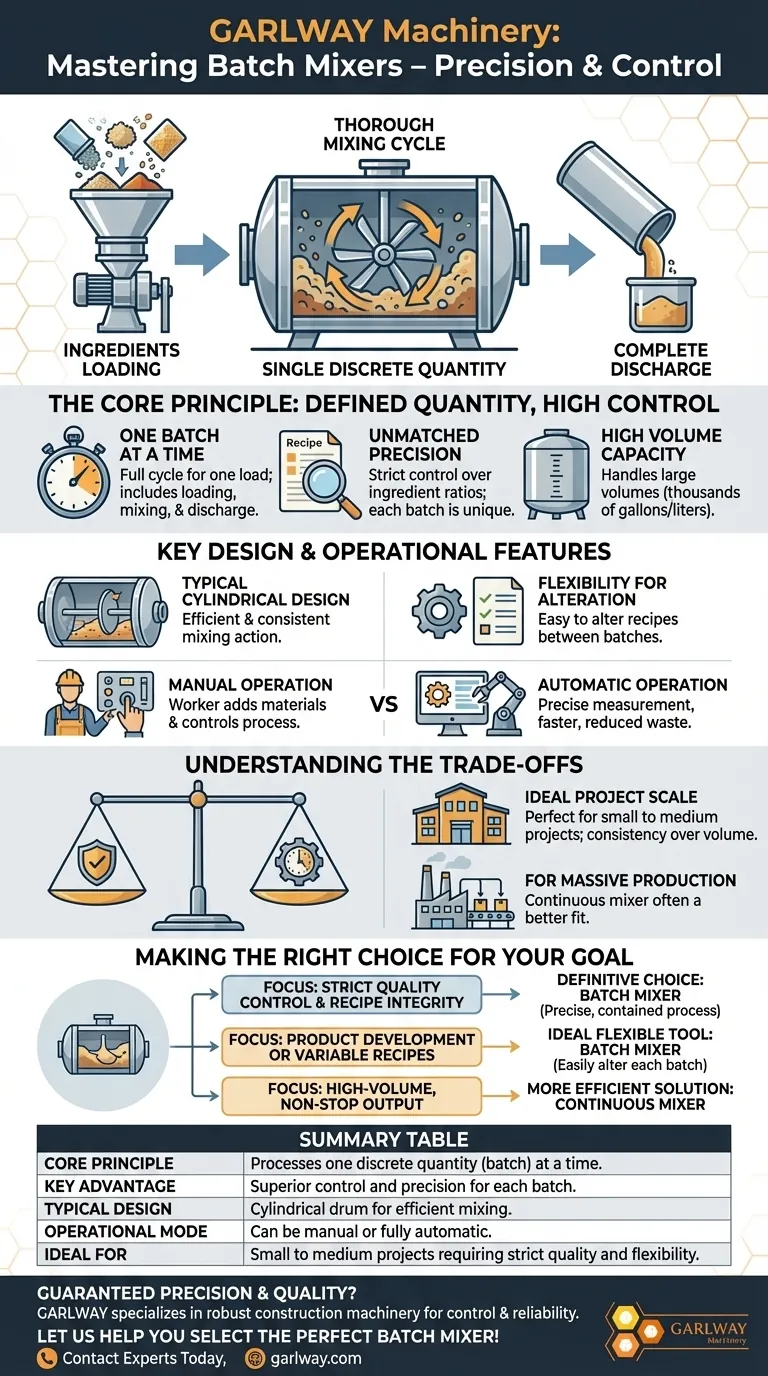
A batch mixer completes a full cycle for one load before starting the next. This includes loading all ingredients, the mixing phase, and finally, the complete discharge of the mixed product.
Unmatched Precision
This single-batch process allows for extremely precise control over ingredient combinations and ratios. Each batch can be treated as a unique project, ensuring strict adherence to the required recipe.
High Volume Capacity
Despite their one-batch-at-a-time nature, these mixers are not limited to small quantities. They are engineered to handle large volumes, with capacities often reaching thousands of gallons or liters per batch.
Key Design and Operational Features
The physical design and operational methods of batch mixers are directly tied to their function of delivering high-quality, recipe-specific results.
Typical Cylindrical Design
Most batch mixers feature a cylindrical drum or vessel. This shape facilitates an efficient and consistent mixing action, ensuring all ingredients are thoroughly combined.
Flexibility for Alteration
Because each batch is a separate event, it is easy to alter the recipe or make adjustments between batches. This makes them ideal for projects with evolving requirements or products with multiple variations.
Manual vs. Automatic Operation
Batch mixers can be operated manually, where workers add materials and control the process. More advanced systems are fully automatic, using computers for precise measurement and mixing, which results in faster processing and reduced waste.
Understanding the Trade-offs
Choosing a batch mixer means prioritizing certain capabilities over others. Understanding these trade-offs is critical to selecting the right tool.
Quality Control vs. Continuous Flow
The primary strength of a batch mixer is strict quality control. However, the time it takes to load and dispense creates downtime between batches, making it inherently less suitable for applications requiring an uninterrupted flow of material.
Ideal Project Scale
They are perfectly suited for small to medium-sized projects where consistency and quality are more important than sheer volume over time. For massive, non-stop production, a continuous mixer is often a better fit.
Making the Right Choice for Your Goal
Your specific production needs will determine if a batch mixer's characteristics align with your objectives.
- If your primary focus is strict quality control and recipe integrity: The precise, contained process of a batch mixer is the definitive choice.
- If your primary focus is product development or variable recipes: The ability to easily alter each batch makes this mixer an ideal and flexible tool.
- If your primary focus is high-volume, non-stop output: A continuous mixer would likely be a more efficient solution than a batch mixer.
Ultimately, selecting a batch mixer is a decision to prioritize per-batch precision and flexibility above all else.
Summary Table:
| Characteristic | Description |
|---|---|
| Core Principle | Processes one discrete quantity (batch) at a time. |
| Key Advantage | Superior control and precision for each batch. |
| Typical Design | Cylindrical drum for efficient mixing. |
| Operational Mode | Can be manual or fully automatic. |
| Ideal For | Small to medium projects requiring strict quality and recipe flexibility. |
Need a mixer that guarantees precision and quality for every batch? At GARLWAY, we specialize in robust construction machinery, including concrete mixers and batching plants designed for construction companies and contractors who value control and reliability. Let us help you select the perfect batch mixer for your project's specific requirements. Contact our experts today to discuss your needs and get a tailored solution!
Visual Guide
Related Products
- Commercial Electric Concrete Mixer Machine HZS 50 Small Batch Plant for Sale
- HZS25 Best Cement Mixer for Quick Mix Concrete at Bunnings
- Portable Concrete Mixer Machine Equipment for Mixing Concrete
- HZS120 Ready Mix Concrete Batching Plant Commercial Mud Cement Mixer
- HZS75 Concrete Batching Plant Cement Mixer Price Concrete Mixer Bunnings Mixing Plant
People Also Ask
- What are the types of concrete mixers used in batching plants? Choose the Right Mixer for Your Project
- What is the core component of a concrete batching plant? The Mixer Unit Defines Your Concrete Quality
- Why is proper maintenance important for a concrete batch mix plant? Maximize Uptime & Profitability
- Why buy concrete batch plant parts only from the manufacturer? Protect Your Investment and Maximize Uptime
- What are the two main types of concrete batch mixers? Choose the Right Mixer for Your Project