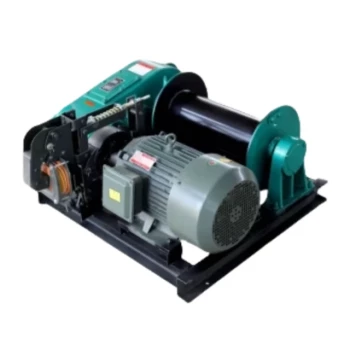
Electric winches are a foundational component of modern operational safety, not just a tool for convenience. They systematically reduce risk by integrating features that provide precise control, distance the operator from danger, and create automated failsafes to prevent catastrophic equipment failure during lifting and pulling operations.
The core safety contribution of an electric winch is its ability to transform a high-risk manual task into a controlled, supervised process. By fundamentally separating the operator from the load via remote control and embedding automated safety mechanisms, it removes the most immediate sources of human injury.
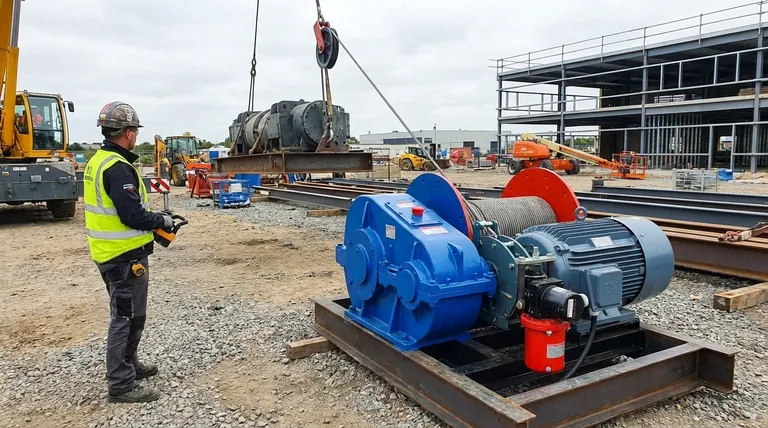
The Core Principles of Electric Winch Safety
Understanding how an electric winch enhances safety requires looking beyond the hardware to the operational principles it enables.
Distancing the Operator from the Danger Zone
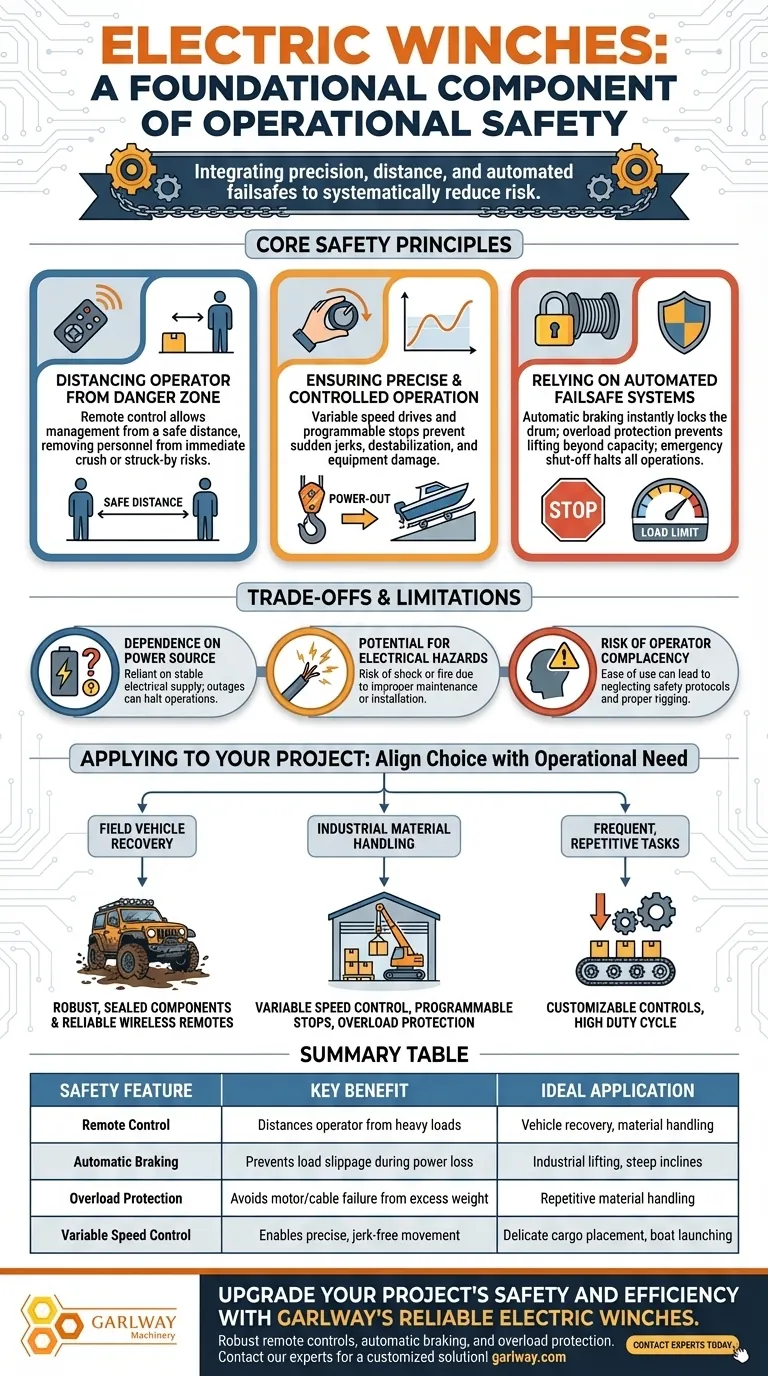
The single most effective safety feature is the remote control. This allows the operator to manage the entire winching process from a safe distance.
This distance is critical, as it removes personnel from the immediate vicinity of a heavy, potentially shifting load. This drastically reduces the risk of crush injuries or being struck by a snapped cable or shifting cargo.
Ensuring Precise and Controlled Operation
Electric winches offer a level of control that manual or less advanced systems cannot match. Many models feature variable frequency drives (VFDs) that allow for programmable speeds and stop positions.
This precision prevents the sudden, jerky movements that can destabilize a load, damage equipment, or cause accidents. Features like a "power-out" option use the motor in reverse for controlled lowering, which is essential for tasks like safely launching a boat on a steep ramp.
Relying on Automated Failsafe Systems
Modern electric winches are engineered with built-in safety mechanisms that act as a constant backup to the operator.
The most crucial of these is the automatic braking system, which instantly locks the drum when the motor stops. This prevents the load from slipping or falling if power is interrupted or the operator pauses the operation.
Additionally, features like overload protection prevent the winch from attempting to lift a load beyond its rated capacity, which could lead to motor burnout or catastrophic cable failure. Emergency shut-off switches provide a final, immediate way to halt all operations.
Understanding the Trade-offs and Limitations
While electric winches significantly enhance safety, their effectiveness is dependent on proper use and awareness of their limitations.
Dependence on a Power Source
An electric winch is entirely reliant on a stable electrical source. In vehicle recovery, a dead battery renders the winch useless, potentially leaving you stranded. In industrial settings, a power outage can halt operations unexpectedly if no backup is available.
Potential for Electrical Hazards
As with any high-powered electrical device, there is an inherent risk of electrical shock or fire. This risk is amplified by improper installation, frayed wiring, or water ingress into components not rated for the environment. Regular inspection and maintenance are non-negotiable.
The Risk of Operator Complacency
The very ease of use and the presence of safety features can sometimes lead to complacency. Operators may be tempted to neglect proper rigging techniques or situational awareness. It is critical to remember that a winch is a powerful tool that still requires training, judgment, and adherence to safety protocols.
How to Apply This to Your Project
To leverage an electric winch for maximum safety, align your choice with your primary operational need.
- If your primary focus is field vehicle recovery: Prioritize winches with robust, sealed components and reliable wireless remote controls to ensure flawless operation in harsh conditions.
- If your primary focus is industrial material handling: Seek models with variable speed control, programmable stop limits, and overload protection to safeguard both personnel and valuable loads.
- If your primary focus is frequent, repetitive tasks: Choose a winch with customizable controls and a high duty cycle to prevent motor overheating and ensure consistent, reliable performance.
Ultimately, the safety of an electric winch comes from using its advanced control and automated features to enforce discipline and distance in high-risk operations.
Summary Table:
| Safety Feature | Key Benefit | Ideal Application |
|---|---|---|
| Remote Control | Distances operator from heavy loads | Vehicle recovery, material handling |
| Automatic Braking | Prevents load slippage during power loss | Industrial lifting, steep inclines |
| Overload Protection | Avoids motor/cable failure from excess weight | Repetitive material handling |
| Variable Speed Control | Enables precise, jerk-free movement | Delicate cargo placement, boat launching |
Upgrade your project's safety and efficiency with GARLWAY's reliable electric winches. Designed for construction companies and contractors, our winches feature robust remote controls, automatic braking, and overload protection to safeguard your team and equipment. Let us help you select the perfect model for your needs—contact our experts today for a customized solution!
Visual Guide
Related Products
- Electric 120V Boat Winch by Badlands
- Electric and Hydraulic Winch for Heavy Duty Applications
- Small Electric Winch 120V and 240V for Compact Applications
- 12000 lb Electric Boat Trailer Winch with Windlass Anchor Warn
- Electric Hoist Winch Boat Anchor Windlass for Marine Applications
People Also Ask
- How do electric boat winches work? Unlock Effortless Launching & Retrieval
- How much current does an electric boat winch draw? Plan Your Electrical System for Peak Performance
- Can I run a winch straight from a battery? Essential Power Setup for Safe Operation
- What are the types of electric winches available? Choose the Right Winch for Your Job
- What are the uses of electric winches in mining and tunneling? Enhance Safety and Efficiency Underground