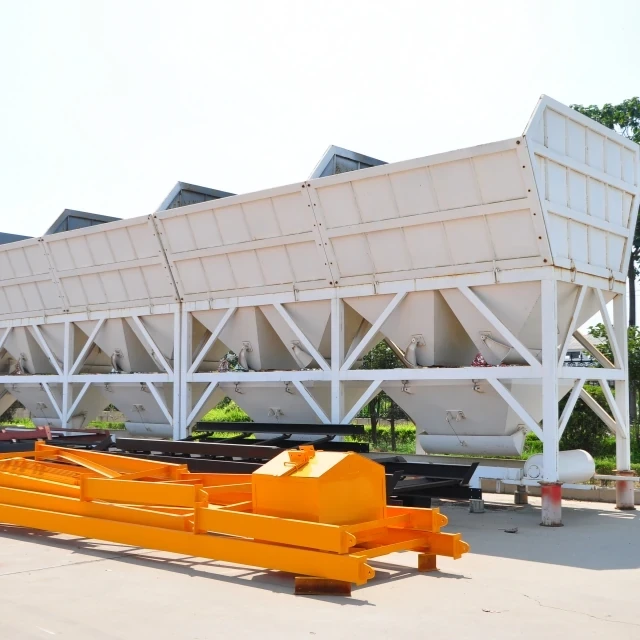
Concrete batching hoppers are critical for efficient material handling, yet material flow disruptions—like bridging or uneven discharge—can cause costly delays. This guide explores proven design principles, operational best practices, and emerging technologies to ensure uninterrupted flow, reduce downtime, and maintain batch accuracy. Whether you're optimizing an existing system or designing a new hopper, these strategies will help you achieve consistent performance.
Design Principles for Preventing Material Accumulation
Hopper Geometry and Surface Finishing for Reduced Friction
The shape and interior finish of a hopper directly influence material flow. Here’s how to optimize them:
- Steeper Angles: Hoppers with slopes ≥60° prevent material stagnation by leveraging gravity. For cohesive materials like cement, even steeper angles (70°–75°) may be needed.
- Smooth Surfaces: Polished stainless steel or polyurethane liners reduce friction, preventing sticky materials from adhering to walls.
- Avoid Sharp Transitions: Gradual transitions between hopper sections minimize "dead zones" where material can accumulate.
Ever wondered why some hoppers clog more than others? Often, it’s a geometry issue—like insufficient slope or rough surfaces creating drag.
Vibration Systems and Discharge Aids to Combat Bridging
Material bridging occurs when particles interlock, forming an arch that blocks flow. Countermeasures include:
- Pneumatic Hammers: Mounted externally, they deliver targeted vibrations to break bridges without damaging the hopper.
- Flexible Screw Feeders: These augers gently agitate material while conveying it, ideal for powders prone to clumping.
- Air Cannons: Bursts of compressed air dislodge stubborn blockages in high-capacity hoppers.
Pro Tip: Over-vibration can compact material, worsening bridging. Use sensors to activate aids only when flow slows.
Operational Best Practices for Consistent Flow
Material Loading Patterns and Moisture Control
How materials are loaded and stored impacts flow:
- Layered Loading: Alternating coarse aggregates with fine powders prevents segregation. For example, sand should be layered between gravel to maintain mix uniformity.
- Moisture Management: Excess humidity turns cement into clumps. Use dehumidifiers in storage silos or add flow-enhancing additives (e.g., tricalcium silicate).
Did you know? A 2% increase in moisture can reduce discharge rates by up to 30% in powdered materials.
Calibration and Maintenance to Sustain Accuracy
Regular upkeep ensures long-term reliability:
- Weekly Checks: Inspect liner wear, seal integrity, and vibration system function.
- Monthly Calibration: Verify load cells and sensors to maintain ±0.5% batching accuracy.
- Annual Overhauls: Replace worn components like gaskets or auger flights.
Case Example: A Garlway-equipped plant reduced downtime by 40% after implementing laser-based liner thickness monitoring.
Technological Innovations in Flow Monitoring
Sensor Integration for Real-Time Material Tracking
Modern hoppers use IoT-enabled tools to detect and resolve flow issues:
- Load Cells: Track weight changes to identify blockages or uneven discharge.
- Laser Scanners: Map material surfaces to detect bridging before it halts operations.
- AI Predictive Models: Analyze historical data to forecast maintenance needs.
Case Study: Automated Flow Correction in a High-Capacity Plant
A Midwest concrete producer integrated Garlway’s smart vibration system with real-time sensors. The result:
- Zero unplanned stoppages over 6 months.
- 15% faster batch cycles due to optimized discharge rates.
Key Takeaways and Actionable Steps
- Redesign for Flow: Prioritize steep angles and smooth liners in new hoppers.
- Operate Smartly: Control moisture and adopt layered loading.
- Leverage Tech: Implement sensors and automated discharge aids.
For operations relying on robust material handling, Garlway’s hopper-compatible winches and vibration systems offer scalable solutions to keep production flowing. By combining these strategies, you’ll minimize disruptions and maximize output—ensuring every batch meets quality standards.
Related Products
- HZS120 Ready Mix Concrete Batching Plant Commercial Mud Cement Mixer
- Commercial Electric Concrete Mixer Machine HZS 50 Small Batch Plant for Sale
- HZS90 Large Multiquip Concrete Mixers for Construction
- HZS75 Concrete Batching Plant Cement Mixer Price Concrete Mixer Bunnings Mixing Plant
- HZS25 Best Cement Mixer for Quick Mix Concrete at Bunnings
Related Articles
- How Raw Material Variability Impacts Concrete Batching Accuracy
- How to Optimize Dust Control in Concrete Batching Plants: A Compliance-Focused Guide
- Optimizing Concrete Batching Accuracy: Technology-Driven Solutions for Modern Plants
- How Sensor Technologies Revolutionize Concrete Batching Accuracy
- How Sensor Technologies Reduce Concrete Batching Errors and Boost ROI





