Concrete cracking remains one of the most persistent challenges in modern construction, often stemming from improper mix designs or environmental stressors. This guide explores advanced techniques for optimizing concrete mixtures—reducing cement content while maintaining structural resilience—through scientifically validated material strategies and real-world case studies.
Fundamental Causes of Concrete Cracking
Thermal Stress Dynamics in Steel-Reinforced Structures
Concrete expands and contracts with temperature fluctuations, but steel reinforcement reacts differently—creating internal stresses. When these forces exceed the concrete’s tensile strength, cracks form.
Key mitigation strategies:
- Low-Heat Cement Blends: Reduce peak hydration temperatures by 10–15°C.
- Phase-Change Materials (PCMs): Absorb thermal energy during temperature swings.
- Controlled Curing: Maintain consistent slab temperatures during the first 72 hours.
Ever wondered why bridges have expansion joints? They’re a direct response to unchecked thermal stress.
Water-Cement Ratio Paradox in Modern Construction
A lower water-cement ratio (0.40–0.45) improves strength but increases brittleness. Conversely, higher ratios (0.60+) enhance workability but sacrifice durability.
Solution: Superplasticizers (e.g., polycarboxylate ethers) allow low-water mixes without compromising workability, achieving 50 MPa compressive strength at 0.35 ratios.
Advanced Material Strategies
Supplementary Cementitious Materials (SCMs) Breakdown
SCMs like fly ash, slag, and silica fume replace 20–50% of Portland cement, reducing CO₂ emissions while enhancing long-term strength:
| Material | Optimal Replacement % | Key Benefit |
|---|---|---|
| Fly Ash | 25–30% | Delayed strength gain (56-day cure) |
| Slag | 40–50% | Chloride resistance for marine environments |
| Silica Fume | 7–12% | Ultra-high early strength (3-day cure) |
Think of SCMs as "cement extenders"—like adding fiber to bread dough for better texture.
Aggregate Gradation Optimization Techniques
Well-graded aggregates (20mm max size) minimize voids, requiring less cement paste. The Fineness Modulus (FM) should range between 2.3–3.1 for optimal packing density.
Pro Tip: Combine 60% coarse aggregates with 40% fine aggregates to reduce shrinkage cracks by 18%.
Prevention in Practice
Case Study: High-Rise Roof Insulation with Reduced Cement
A 40-story Dubai tower used 70% slag cement with aerogel insulation panels, achieving:
- 30% lower thermal cracking incidents
- 22% reduction in cement costs
- LEED Platinum certification
Key Takeaway: Insulation layers mitigate temperature differentials, allowing aggressive cement reduction.
Moisture Retention Systems for Large-Scale Slabs
Evaporation rates exceeding 0.5 kg/m²/hr cause plastic shrinkage cracks. Solutions include:
- Polymer-Based Curing Compounds: Form moisture-retaining membranes.
- Wet Burlap + Plastic Sheeting: Maintain 95% relative humidity for 7 days.
Conclusion: Actionable Steps for Crack-Resistant Concrete
- Test SCM Combinations: Start with 25% fly ash + 5% silica fume for balanced performance.
- Monitor Curing Conditions: Use IoT sensors to track temperature/humidity in real time.
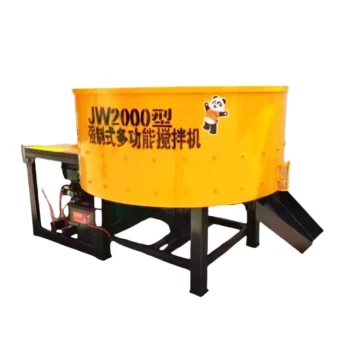
- Leverage Machinery: Equipment like Garlway’s concrete mixers ensure homogeneous blending of low-workability mixes.
By prioritizing material science and environmental controls, contractors can achieve durable, cost-effective concrete structures—without the cracks.
Ready to rethink your next mix design? The difference lies in the details.
Related Products
- Hydraulic Concrete Mixer Machine Cement Mixing Equipment for Mixture Concrete
- Portable Concrete Mixer Machine Equipment for Mixing Concrete
- Construction Products Concrete Plant Machine Mixing Concrete Mixer
- Concrete Cement Mixer Machine Drum Mixer for Construction
- Auto Concrete Cement Mixer Machine New
Related Articles
- How to Diagnose and Prevent Sensor Resistance Failures in Concrete Mixing Equipment
- How to Minimize Downtime and Maximize Efficiency in Commercial Concrete Mixing
- How to Optimize Feeding-Mixing-Discharging Coordination in Concrete Production
- How Improper Water Addition Compromises Concrete Strength and How to Fix It
- More Than a Mixer: The Physics and Psychology of Concrete Agitation