Introduction
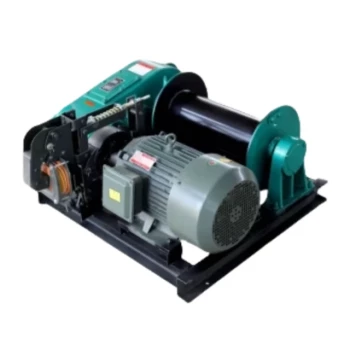
Coaxial winches represent a breakthrough in compact power transmission, offering unprecedented space efficiency without sacrificing performance. Unlike traditional winch designs that require external mounting space for motors and gearboxes, coaxial models integrate all components along a single axis—revolutionizing applications from surgical robots to aerospace systems. This article examines their structural advantages, industry-specific implementations, and optimization strategies to help professionals evaluate their suitability for specialized tasks.
Coaxial Winch Fundamentals
Structural Innovation and Space Efficiency
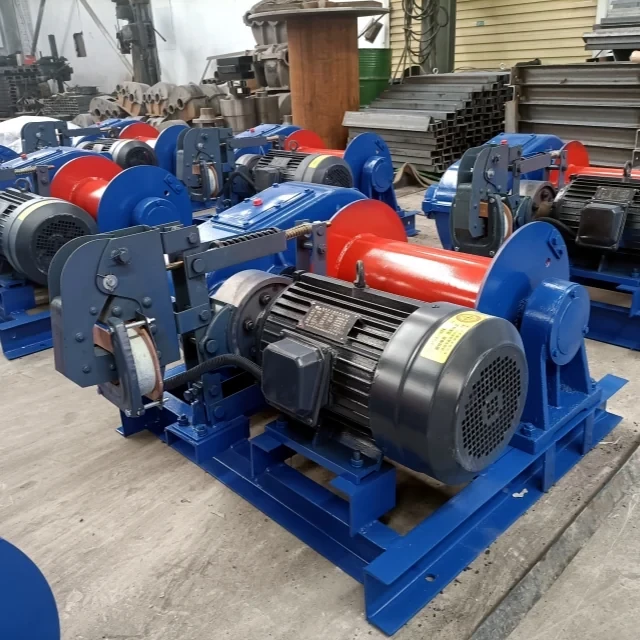
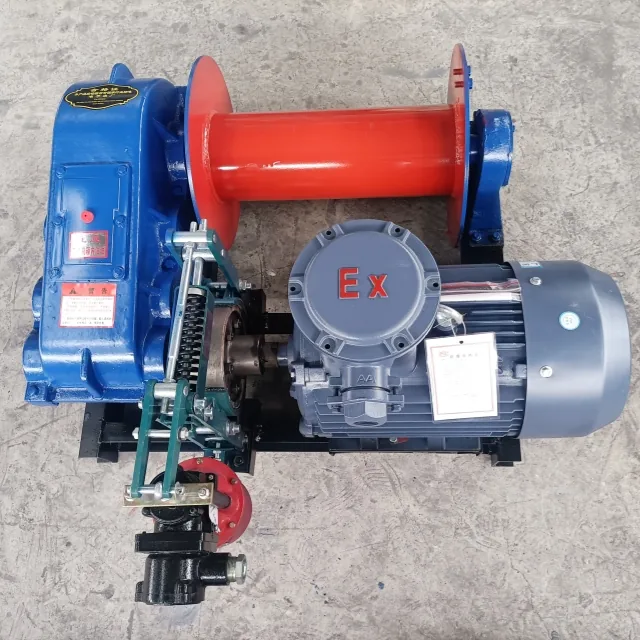
Coaxial winches collapse the footprint of traditional winch systems by aligning the motor, gearbox, and drum concentrically. Picture a telescope’s nested tubes: this design eliminates lateral protrusions, making them ideal for:
- Confined spaces (e.g., robotic arms, medical imaging devices)
- Weight-sensitive applications (e.g., drones, aerospace actuators)
Key Technical Advantages Over Traditional Winches
- Higher Power Density: Delivers equivalent torque in 30–50% less space (based on industry-standard comparisons).
- Reduced Vibration: Concentric load distribution minimizes wobble, critical for precision tasks like biopsy needle control.
- Energy Efficiency: Direct power transmission cuts energy losses from belt/pulley systems, as evidenced by their adoption in electric vehicle cable management.
Ever wondered how a winch no larger than a coffee mug can lift surgical payloads with micron-level precision? The secret lies in its elimination of parasitic components.
Industry-Specific Use Cases
Robotics and Automation Solutions
In collaborative robots (cobots), coaxial winches enable:
- Seamless human-robot interaction: Their compactness allows safer proximity to human workers.
- Force-sensitive tasks: Programmable tension control for assembly line torque adjustment.
Medical and Aerospace Precision Systems
- Surgical Robotics: Used in da Vinci-type systems for instrument articulation, where space constraints prohibit traditional winches.
- Satellite Deployment: NASA-tested models deploy solar arrays via coaxial mechanisms to avoid payload imbalance.
Consumer Electronics Integration
- Auto-Focus Lenses: High-end cameras use micro-coaxial winches for silent, rapid lens adjustment.
- VR Haptic Feedback: Gaming gloves integrate miniature winches to simulate resistance with millisecond response times.
Did you know? The marine industry’s shift to coaxial anchor winches on yachts has reduced deck clutter by 40% while improving retrieval speed.
Optimizing Performance
Critical Parameters for Selection
| Factor | Coaxial Advantage | Consideration |
|---|---|---|
| Load Capacity | High torque in compact form | Verify dynamic load ratings for cyclic use |
| Duty Cycle | 20% longer lifespan than planetary winches under continuous operation | Match motor cooling to application demands |
| Environmental Resistance | IP67 sealing feasible due to unified housing | Avoid submergence unless specified |
Maintenance Best Practices
- Lubrication Intervals: Annual greasing of internal gears (vs. quarterly for exposed systems).
- Cable Inspection: Monitor for micro-frays, especially in high-cycle medical/robotic use.
- Thermal Management: Ensure ambient temperatures stay within -20°C to +60°C for standard models.
Conclusion: Matching Innovation to Application Needs
Coaxial winches aren’t just smaller—they’re smarter. By consolidating components that traditionally required disjointed assemblies, they empower advancements from minimally invasive surgery to space exploration. For professionals evaluating these systems:
- Prioritize axial load capacity over raw horsepower in space-constrained designs.
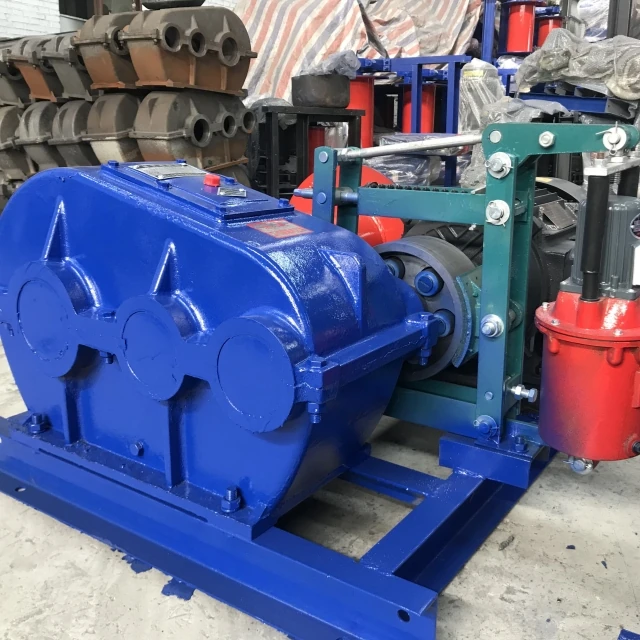
- Leverage their modularity; Garlway’s coaxial units can be customized with encoders or brakes for motion-critical tasks.
In an era where every millimeter and watt counts, coaxial technology redefines what’s possible in compact machinery. Whether you’re designing the next generation of surgical robots or optimizing offshore rigging, their blend of density and precision offers a tangible edge.
Related Products
- Small Electric Winch 120V and 240V for Compact Applications
- Electric and Hydraulic Winch for Heavy Duty Applications
- Hydraulic Winding Engine Harbor Freight Winch
- Electric 120V Boat Winch by Badlands
- Electric Hoist Winch Boat Anchor Windlass for Marine Applications
Related Articles
- How to Maximize Electrical Winch Performance in Challenging Environments
- How Electric Winch Safety Features Prevent Catastrophic Industrial Accidents
- How to Choose Between Manual and Electric Winches for Your Project
- How Electric Winches Solve Industrial Safety and Cost Challenges
- How Electric Winches’ Engineering Enhances Efficiency and Safety in Heavy-Duty Applications