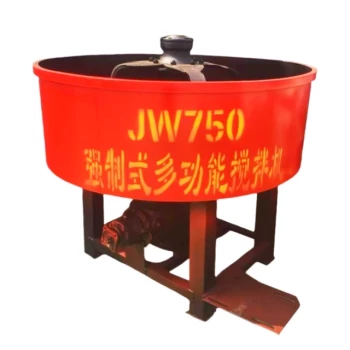
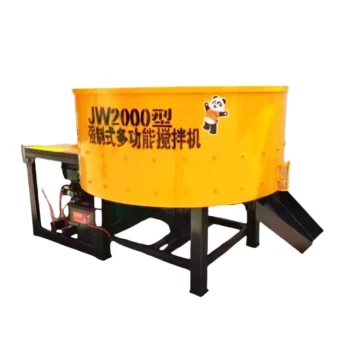
In landscaping projects, a mortar mixer’s primary function is to create consistent, high-quality batches of mortar or concrete for hardscaping elements like patios, retaining walls, and walkways. While its core purpose is structural, it is also highly effective for the secondary task of blending soil, compost, and other amendments to create large volumes of custom planting mix.
The true value of a mortar mixer in landscaping is its ability to ensure consistency. Whether for the structural integrity of a stone wall or the uniform fertility of a garden bed, the mixer eliminates guesswork and guarantees a homogenous final product.

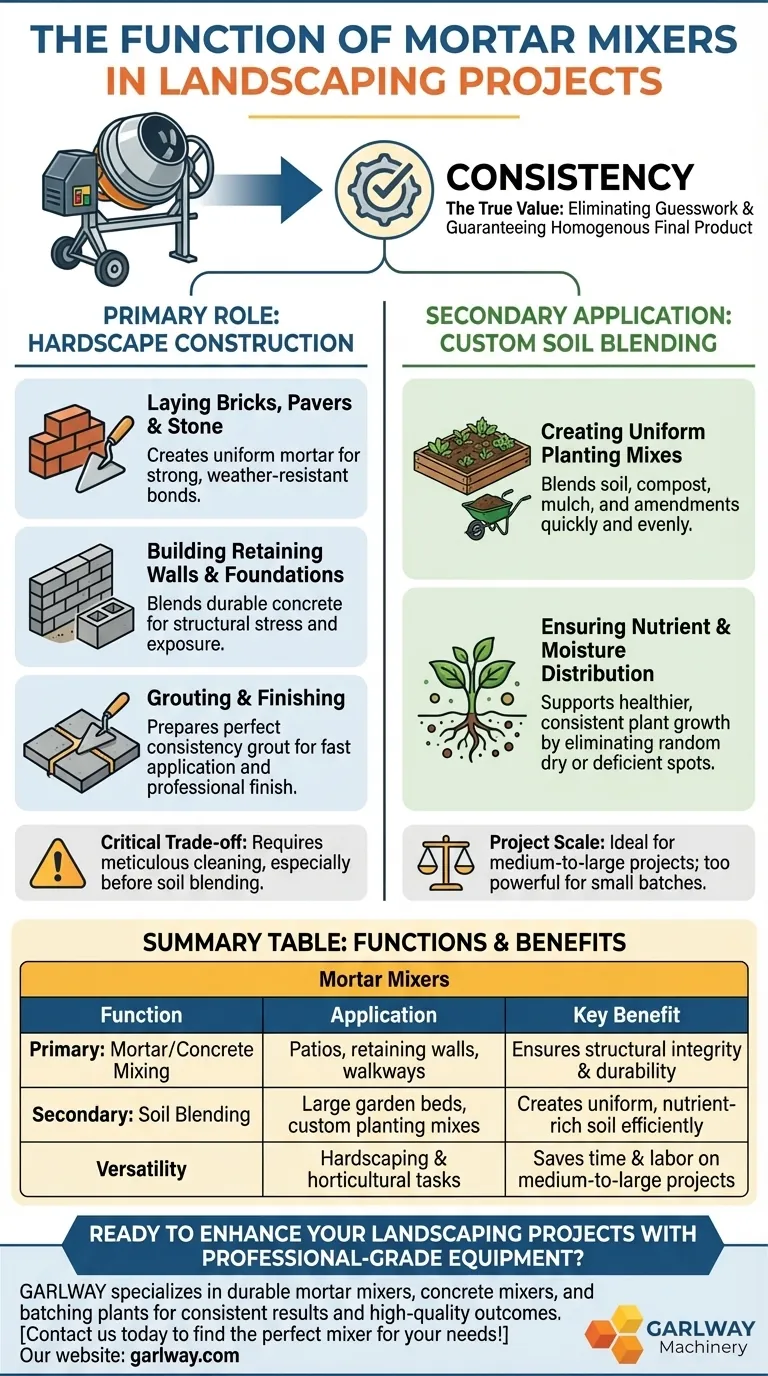
The Primary Role: Powering Hardscape Construction
A mortar mixer is the engine behind most structural landscaping work. Its ability to thoroughly combine heavy materials like cement, sand, and aggregate is crucial for creating durable, long-lasting features.
Laying Bricks, Pavers, and Stone
For projects like patios, walkways, and stone veneer, a mixer is used to combine cement, sand, and water. This creates a uniform mortar that provides a strong, weather-resistant bond between each unit, ensuring the entire structure is stable and secure.
Building Retaining Walls and Foundations
When building retaining walls or pouring small concrete footings for decks or pergolas, a mixer is essential. It blends cement, sand, gravel, and water to create strong, durable concrete capable of withstanding significant structural stress and environmental exposure.
Grouting and Finishing
After pavers or stones are laid, the gaps between them must be filled. A mixer can prepare large batches of grout or mortar to a perfect consistency, making the application process faster and ensuring all joints are solidly filled for a professional finish.
The Secondary Application: Custom Soil Blending
Beyond its traditional use with cement, a mortar mixer offers a significant advantage for large-scale horticultural tasks, acting as a powerful soil blender.
Creating Uniform Planting Mixes
For large garden beds or numerous containers, mixing soil, compost, mulch, and other amendments by hand is incredibly labor-intensive. A mortar mixer can blend these components quickly and evenly, creating a fertile and consistent growing medium.
Ensuring Nutrient and Moisture Distribution
A thoroughly blended soil mix ensures that nutrients and moisture-retaining materials are distributed uniformly. This supports healthier, more consistent plant growth across the entire planting area, eliminating random dry spots or nutrient-deficient pockets.
Understanding the Trade-offs
While versatile, using a mortar mixer is not a one-size-fits-all solution. Understanding its limitations is key to using it effectively.
Not a Dedicated Soil Mixer
A mortar mixer is much more powerful than needed for light, small-batch soil mixing. For a few pots, a wheelbarrow and shovel are more practical. However, for cubic yards of material, its efficiency is unmatched.
The Critical Need for Cleaning
You must be meticulous about cleaning the mixer, especially when switching from concrete work to soil blending. Any residual cement can raise the pH of your soil mix, making it alkaline and potentially harming or killing your plants.
Scale of the Project
A mortar mixer is ideal for medium-to-large projects that are too big for manual mixing but too small to justify a ready-mix concrete delivery. It fills a critical gap for professional landscapers and ambitious DIYers.
How to Apply This to Your Project
Your decision to use a mortar mixer should be based on the primary goal and scale of your landscaping work.
- If your primary focus is hardscaping (patios, walls, walkways): A mortar mixer is an essential tool for ensuring the structural integrity and professional quality of your work.
- If your primary focus is large-scale soil amendment or creating custom garden beds: A mortar mixer is a powerful labor-saving device that produces superior, homogenous soil mixes.
- If your projects are small and varied: Manual mixing in a wheelbarrow is likely more cost-effective and practical than the investment and maintenance required for a mixer.
Ultimately, understanding the mortar mixer's dual capabilities allows you to select the right method for the job, ensuring both structural durability and horticultural success.
Summary Table:
| Function | Application | Key Benefit |
|---|---|---|
| Primary: Mortar/Concrete Mixing | Patios, retaining walls, walkways | Ensures structural integrity and durability |
| Secondary: Soil Blending | Large garden beds, custom planting mixes | Creates uniform, nutrient-rich soil efficiently |
| Versatility | Hardscaping and horticultural tasks | Saves time and labor on medium-to-large projects |
Ready to enhance your landscaping projects with professional-grade equipment? GARLWAY specializes in construction machinery, offering durable mortar mixers, concrete mixers, and batching plants for construction companies and contractors globally. Our solutions deliver consistent results, reduce labor costs, and ensure high-quality outcomes for both hardscaping and soil blending tasks. Contact us today to find the perfect mixer for your needs!
Visual Guide
Related Products
- JDY350 Electric Hydraulic Mortar Mud Concrete Mixer
- JDC350 Small Cement Concrete Mortar Mixer
- Mini Cement Mortar Mixer Truck for Construction
- Belle Mixer Drum Self Loading Mortar Mixers JS3000
- JS1000 Volumetric Concrete Mortar Mixer for Sale Skid Steer Cement Mixer
People Also Ask
- When are electric mortar mixers typically used? Find the Perfect Tool for Small to Medium-Sized Jobs
- What are hydraulic concrete mixers used for? Powering Large-Scale Construction Projects
- How are mortar mixers utilized in concrete and grout projects? Maximize Your Mixing Efficiency
- What are the benefits of electric concrete mixers? Quiet, Clean, and Low-Maintenance Mixing
- What is a mortar mixer and what is its primary use? Master Masonry with the Right Equipment