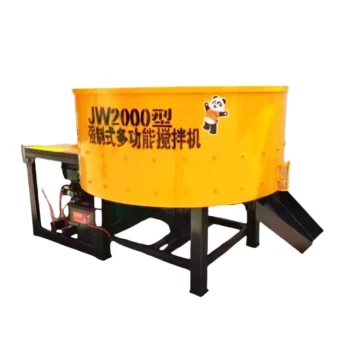
To use a portable cement mixer effectively, you must focus on a disciplined process. This involves accurately measuring your ingredients, loading them in the correct sequence starting with water, avoiding the common mistake of overloading the drum, and cleaning the machine immediately after you are finished.
Using a portable mixer is not just about saving labor; it's about gaining control over your project. Mastering its use ensures you produce consistent, high-quality concrete every time, preventing costly errors and maximizing the lifespan of your equipment.
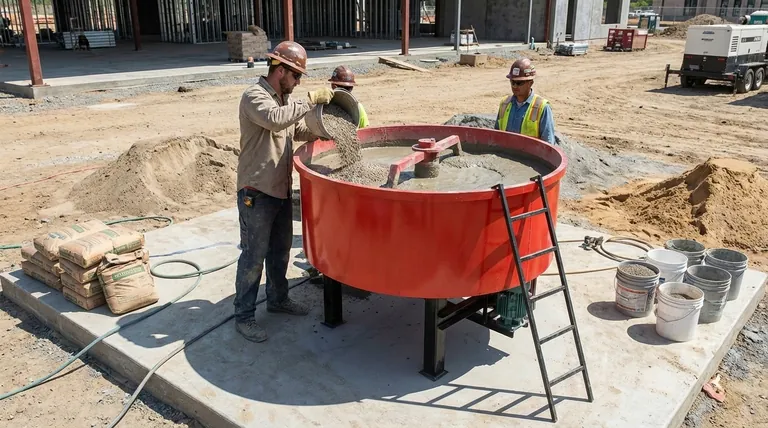
Preparation: The Foundation for a Perfect Mix
Before you add a single drop of water, setting up your workspace and yourself correctly is the most critical step. Proper preparation prevents accidents and ensures an efficient workflow.
Prioritize Personal Safety
Always wear appropriate personal protective equipment (PPE). This includes safety glasses, long sleeves, and durable gloves to protect you from splashes and abrasive materials. A respirator is also highly recommended to avoid inhaling fine cement dust.
Choose the Right Workspace
Operate your mixer outdoors on a stable, level surface. A level base prevents the mixer from tipping over, especially when loaded, and ensures the motor operates without unnecessary strain.
Inspect Your Equipment
Before starting, quickly check the inside of the drum. Scrape out any hardened cement or debris from previous uses, as these old chunks can compromise the consistency and strength of your new batch.
The Core Mixing Process: From Ingredients to Concrete
The quality of your finished concrete is determined entirely by the precision you apply during the mixing stage. Each step builds upon the last to create a uniform, workable material.
Measure Ingredients with Precision
Do not estimate your materials. Use buckets or containers to measure your cement, sand, aggregate, and water accurately according to your desired mix ratio. This is the only way to guarantee consistent strength and texture.
Follow the Correct Loading Sequence
The order of operations is crucial. Always add about half of the required water to the drum first while it's spinning. This prevents the dry cement and aggregate from sticking to the sides.
Load Materials Gradually
Next, add your dry aggregate and cement mixture. Do not dump it all in at once. Gradual loading allows the materials to incorporate smoothly and prevents the motor from stalling under a sudden, heavy load.
Add Water for Consistent Texture
With the dry materials and initial water mixing, slowly add the remaining water until you reach the desired consistency. A proper mix should look uniform, not too wet and not too dry.
Understanding the Common Pitfalls
Many common issues with portable mixers are entirely preventable. Being aware of these mistakes will save you time, materials, and extend the life of your machine.
The Risk of Overloading
Never fill the mixer beyond its stated capacity. Overloading the drum puts immense strain on the motor, leading to burnout. It also results in a poor, inconsistent mix because the materials don't have enough space to tumble effectively.
The Consequence of Delayed Cleaning
Cement begins to harden quickly. Immediate cleaning after every use is non-negotiable. A quick rinse with a hose is all that is needed, but if you delay, you will be left chiseling out hardened concrete, which can damage the drum.
The Impact of Improper Storage
When not in use, store your mixer in a dry, covered location. Protecting it from rain and weather prevents rust and protects the electric motor from moisture damage, ensuring it's ready for your next project.
Making the Right Choice for Your Goal
By focusing on a few key principles, you can tailor your approach to ensure your primary goal for any project is met successfully.
- If your primary focus is material quality and strength: Your discipline in accurately measuring ingredients and monitoring for a consistent mix is paramount.
- If your primary focus is equipment longevity: Prioritize never overloading the drum and cleaning it thoroughly the moment you finish pouring your last batch.
- If your primary focus is project efficiency and safety: Take the time to set up your workspace on level ground and always wear the proper PPE.
Mastering these simple but critical steps elevates you from merely using a tool to being a skilled operator in control of your work.
Summary Table:
| Key Tip | Primary Benefit |
|---|---|
| Measure Ingredients Precisely | Ensures consistent concrete strength & quality |
| Load Water First, Then Materials | Prevents sticking and ensures a smooth mix |
| Avoid Overloading the Drum | Protects the motor and guarantees proper mixing |
| Clean Immediately After Use | Prevents concrete hardening and drum damage |
| Operate on a Stable, Level Surface | Enhances safety and machine efficiency |
Ready to Achieve Professional-Grade Results?
Mastering your portable cement mixer is just the beginning. For construction companies and contractors seeking reliable, high-performance equipment, GARLWAY provides durable and efficient solutions, including concrete mixers, winches, and batching plants, designed to meet the rigorous demands of your projects.
Contact GARLWAY today to discuss how our construction machinery can enhance your productivity and build with confidence.
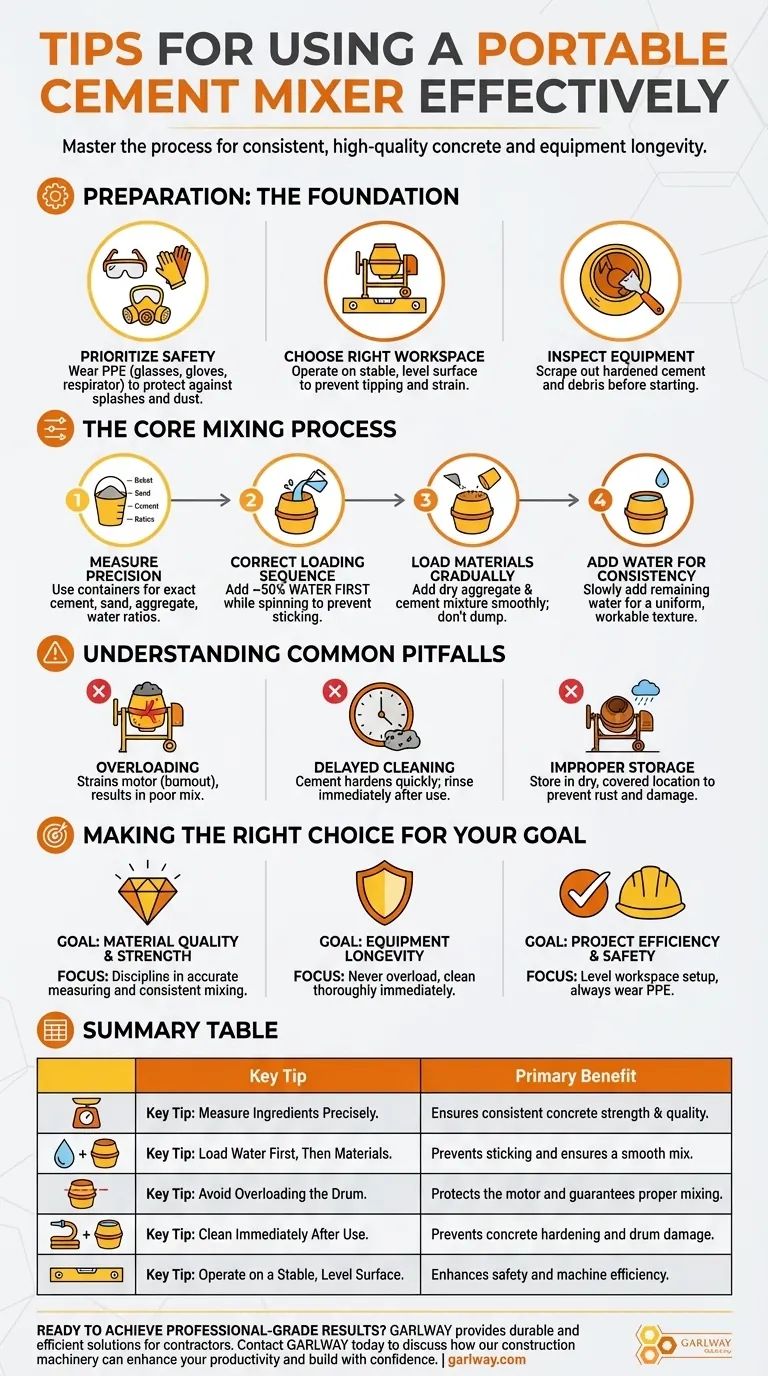
Visual Guide
Related Products
- Portable Cement Mixer with Lift Concrete Machine
- Portable Electric Concrete Mixer Machine for Cement Mixing
- Portable Ready Mix Concrete Mixer Equipment
- Portable Concrete Mixer Machine Equipment for Mixing Concrete
- Portable Electric Small Cement Mixer Concrete Machine
People Also Ask
- What are the size and portability options for portable cement mixers? Find Your Perfect Match for Any Job
- Why is it necessary to use a portable concrete mixer? Gain Total Control & Efficiency
- How much concrete can you pour with a portable mixer? Find the Perfect Fit for Your Project
- What is a portable cement mixer? Achieve Consistent, On-Demand Concrete Mixing
- What are the power sources for portable cement mixers? Choose the Right Power for Your Job Site