Introduction
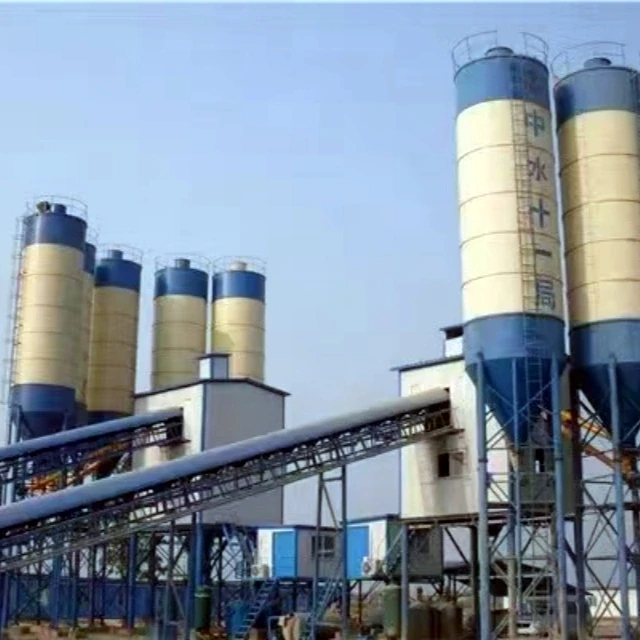
Selecting and maintaining a concrete mixing plant that operates reliably, efficiently, and in compliance with industry standards is crucial for minimizing lifecycle costs. Whether you're managing a large-scale construction project or a specialized production facility, ensuring mechanical integrity, operational safety, and precision in material handling can significantly impact productivity and profitability. This guide explores key technical standards and best practices to optimize your plant's performance—helping you avoid costly downtime, safety hazards, and inefficiencies.
Evaluating Mechanical Integrity for Long-Term Performance
A concrete mixing plant's mechanical components must withstand continuous stress, environmental factors, and heavy loads. Ensuring structural durability from the outset prevents unexpected failures and extends equipment lifespan.
Radial Runout and Vibration Screen Standards
Excessive radial runout in rotating components (such as mixer drums or agitators) leads to premature wear and energy waste. Industry benchmarks recommend:
- Runout tolerance below 0.1mm for critical shafts
- Vibration screening every 500 operating hours to detect misalignment
Pro Tip: Ever wondered why some plants experience frequent bearing failures? Often, it’s due to unchecked radial deviations.
Cement Silo Durability in Harsh Environments
Cement silos face corrosion from moisture and chemical exposure. Key safeguards include:
- Epoxy-coated or stainless-steel linings for humid climates
- Pressure-relief valves to prevent condensation buildup
- Regular ultrasonic thickness testing to monitor structural integrity
A well-maintained silo not only prevents material contamination but also ensures consistent mix quality.
Ensuring Operational Efficiency and Safety
Downtime and safety incidents are among the biggest cost drivers in concrete production. Proactive maintenance and system checks keep operations smooth and compliant.
Conveyor System Maintenance to Prevent Downtime
Conveyors are the lifeline of material transfer. Common failure points and solutions:
- Belt misalignment: Auto-tracking rollers reduce manual adjustments.
- Roller bearing wear: Lubrication schedules should align with load cycles.
- Material spillage: Skirting systems with adjustable seals improve containment.
Think of a conveyor system like a highway—regular inspections keep the traffic (material flow) moving without jams.
Safety Valve and Reducer Temperature Thresholds
Overheating in hydraulic systems or gear reducers can lead to catastrophic failures. Best practices:
- Thermal sensors set to alert at 90% of max operating temps
- Bi-annual oil analysis to detect viscosity breakdown
- Redundant cooling systems for high-capacity plants
Safety valves should be tested quarterly to ensure they activate at 10% below rated pressure limits.
Validating Precision in Measurement and Material Flow
Inaccurate batching or clogged material flow leads to wasted resources and subpar concrete quality. Precision engineering and calibration are non-negotiable.
Calibration Protocols for Measurement Systems
Load cells, moisture sensors, and flow meters must be calibrated to strict tolerances:
- Monthly verification for scales handling cement/aggregates
- ISO 9001-compliant calibration for batch controllers
- Error margins kept below ±0.5% of target weights
Did you know? A 1% error in water measurement can weaken concrete strength by up to 5%.
Hopper Design to Eliminate Material Clogging
Poor hopper geometry causes bridging and erratic discharge. Optimal designs feature:
- Steep angles (≥60°) for free material flow
- Vibratory or air-cannons to dislodge sticky aggregates
- Wear-resistant liners in high-abrasion zones
For powdered materials like fly ash, fluidization systems prevent compaction.
Conclusion and Actionable Takeaways
A reliable concrete mixing plant hinges on three pillars: mechanical robustness, operational safety, and measurement precision. To minimize lifecycle costs:
- Adopt predictive maintenance for critical components like silos and conveyors.
- Enforce temperature and pressure safeguards to avoid system overloads.
- Prioritize calibration—small measurement errors lead to big financial losses.
For operations leveraging Garlway winches and machinery, integrating these best practices ensures seamless compatibility with heavy-duty mixing systems. Start with a thorough audit of your plant’s high-risk areas, and build a maintenance roadmap tailored to your production demands.
By focusing on these fundamentals, you’ll transform your concrete mixing plant from a cost center into a model of efficiency and reliability.
Products You Might Be Looking For:
Explore small cement mixing batch plants
Related Products
- Construction Products Concrete Plant Machine Mixing Concrete Mixer
- Commercial Electric Concrete Mixer Machine HZS 50 Small Batch Plant for Sale
- HZS35 Small Cement Concrete Mixing Batch Plant
- HZS120 Ready Mix Concrete Batching Plant Commercial Mud Cement Mixer
- HZS75 Concrete Batching Plant Cement Mixer Price Concrete Mixer Bunnings Mixing Plant
Related Articles
- How to Optimize Feeding-Mixing-Discharging Coordination in Concrete Production
- How to Minimize Downtime and Maximize Efficiency in Commercial Concrete Mixing
- More Than a Mixer: The Physics and Psychology of Concrete Agitation
- How Improper Water Addition Compromises Concrete Strength and How to Fix It
- How to Conduct OSHA-Compliant Concrete Mixer Inspections: A Safety-First Checklist



