Introduction
Concrete is the backbone of modern construction, but its strength and durability depend entirely on precise material ratios. This guide breaks down the essential components of concrete, explains how each element contributes to structural integrity, and reveals common mixing mistakes that compromise quality. Whether you're a contractor or a DIY builder, understanding these principles ensures your projects stand the test of time.
Essential Components of Concrete
The Role of Cement as a Binding Agent
Cement acts as the "glue" that holds concrete together. When mixed with water, it undergoes a chemical reaction called hydration, forming crystals that interlock with aggregates.
Key considerations:
- Portland cement is the most common type, ideal for general construction.
- Overuse can lead to cracking due to excessive heat during curing.
Ever wondered why some concrete cracks prematurely? Often, it’s an imbalance in cement content.
Aggregates: Sand, Gravel, and Their Gradation
Aggregates make up 60–75% of concrete’s volume, providing bulk and reducing shrinkage.
- Fine aggregates (sand): Fill voids between larger particles.
- Coarse aggregates (gravel): Enhance compressive strength.
- Gradation: Well-graded mixes improve density and reduce cement demand.
Pro Tip: Angular aggregates bond better with cement paste than smooth, rounded stones.
Water-to-Cement Ratio: Balancing Strength and Workability
The w/c ratio dictates concrete’s strength and porosity:
| Ratio Range | Compressive Strength | Use Case |
|---|---|---|
| 0.4–0.6 | High (20–40 MPa) | Foundations |
| 0.6–0.7 | Moderate (15–25 MPa) | Sidewalks |
Too much water weakens the mix; too little hampers workability.
Additives: Chemical Enhancers for Specialized Needs
Modern mixes often include:
- Plasticizers: Improve flow without extra water.
- Accelerators: Speed up curing (e.g., for cold weather).
- Fly ash: A sustainable byproduct that enhances durability.
Fun fact: Some additives can make concrete self-healing by producing limestone when cracks form.
Optimizing the Mixing Process
Types of Concrete Mixers and Their Applications
- Drum mixers: Ideal for large batches (e.g., Garlway’s heavy-duty models for industrial sites).
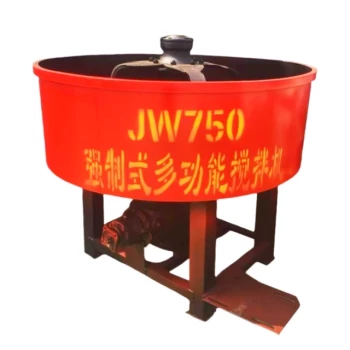
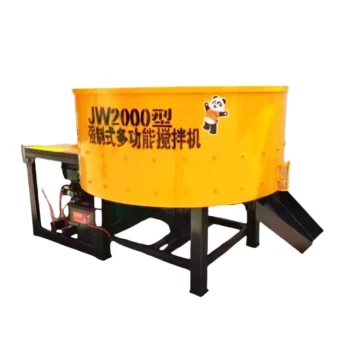
- Pan mixers: Ensure homogeneity for high-strength mixes.
- Truck mixers: Keep concrete workable during transport.
Mixing Techniques for Homogeneous Blends
- Dry mixing: Blend aggregates and cement first, then add water.
- Wet mixing: Combine all materials simultaneously for even distribution.
- Mixing time: Typically 3–5 minutes; overmixing causes segregation.
Common Mistakes in Material Proportioning (Case Studies)
-
Inconsistent aggregate moisture: Unaccounted water alters the w/c ratio.
- Case: A bridge deck failed due to overly wet sand.
- Skipping admixtures in cold climates: Resulted in frozen, crumbly concrete.
- Poor cement storage: Clumped cement created weak spots in a warehouse floor.
Lesson: Always measure materials by weight, not volume, for accuracy.
Conclusion: Building Smarter with Science
Concrete isn’t just a mix—it’s engineered chemistry. By mastering ratios and avoiding common pitfalls, you can create structures that endure decades. For large-scale projects, leverage reliable equipment like Garlway’s mixers to ensure precision.
Actionable steps:
- Test aggregate moisture before mixing.
- Use additives tailored to your climate and project needs.
- Calibrate equipment regularly to maintain ratio accuracy.
Ready to put these principles into practice? Your next pour could be your strongest yet.
Related Products
- Portable Concrete Mixer Machine Equipment for Mixing Concrete
- Construction Products Concrete Plant Machine Mixing Concrete Mixer
- Portable Electric Concrete Mixer Machine for Cement Mixing
- JZC400 Mobile Small Concrete Mixer Cement Mixer Machine
- Hydraulic Concrete Mixer Machine Cement Mixing Equipment for Mixture Concrete
Related Articles
- How to Diagnose and Prevent Sensor Resistance Failures in Concrete Mixing Equipment
- How to Build an OSHA-Compliant Safety System for Concrete Mixer Workspaces
- The Downtime Equation: How a Manufacturer's Support System Defines Your Concrete Mixer's True Cost
- How to Choose Concrete Mixers for Long-Term Reliability and Cost Savings
- How to Test Concrete Mixer Brake Systems for Optimal Safety and Compliance